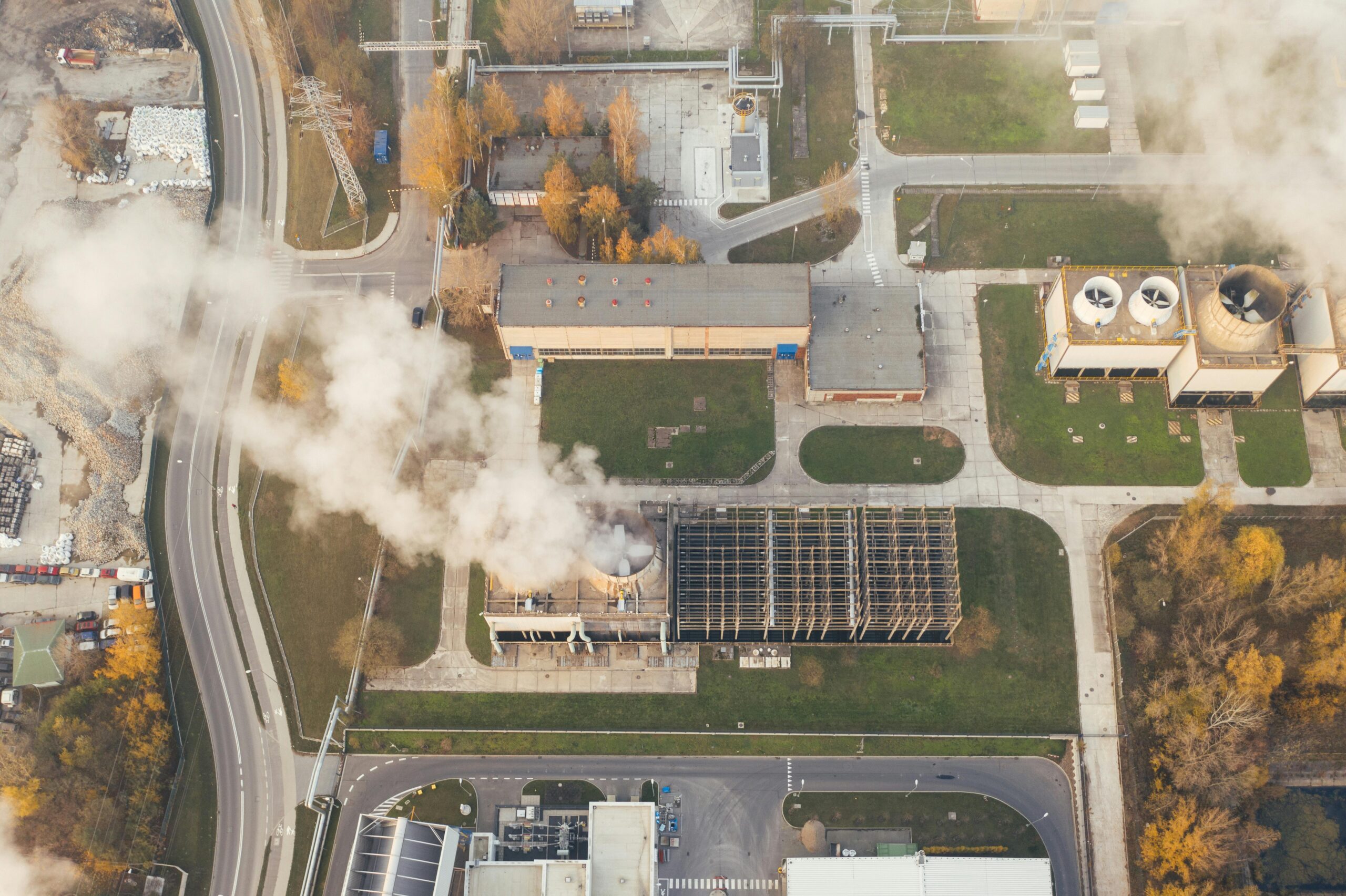
The planet is experiencing a carbon imbalance crisis that demands immediate action. Our atmosphere is accumulating CO₂ faster than natural systems can absorb it, creating an urgent need to understand and manage both rapid carbon cycling and permanent storage solutions.

🌍 Understanding the Carbon Crunch Dilemma
The term “carbon crunch” refers to the pressing challenge of managing carbon flows in our atmosphere while simultaneously building systems for long-term carbon sequestration. This dual challenge sits at the heart of climate action, requiring us to address immediate emissions while developing infrastructure for permanent carbon removal.
Every year, human activities release approximately 40 billion tons of CO₂ into the atmosphere. Meanwhile, natural carbon sinks—forests, oceans, and soil—absorb roughly half of these emissions. The remaining half accumulates in the atmosphere, driving global temperature increases and climate disruption. This imbalance creates the carbon crunch we face today.
The complexity lies in managing two timescales simultaneously. Short-term carbon flux involves the rapid exchange of carbon between the atmosphere, biosphere, and surface ocean over days to decades. Long-term storage, conversely, requires locking carbon away for centuries or millennia, preventing its return to the atmosphere during critical climate stabilization periods.
⚡ The Dynamics of Short-term Carbon Flux
Short-term carbon cycling represents the fast-moving carbon economy of our planet. Plants absorb CO₂ through photosynthesis, converting it into biomass. Animals consume this biomass, releasing carbon through respiration. Decomposition returns carbon to the atmosphere or soil. This continuous exchange forms the foundation of terrestrial ecosystems.
Ocean surface waters also participate actively in short-term carbon flux. Atmospheric CO₂ dissolves into seawater, where phytoplankton incorporate it into their tissues through photosynthesis. These microscopic organisms form the base of marine food webs, creating a dynamic carbon exchange that influences atmospheric concentrations on seasonal and annual timescales.
Seasonal Carbon Breathing
The planet exhibits a remarkable seasonal carbon breathing pattern. During Northern Hemisphere summer, extensive forests and croplands absorb massive amounts of CO₂, causing measurable decreases in atmospheric concentrations. Winter reverses this pattern as decomposition and respiration dominate, releasing carbon back to the atmosphere.
This natural rhythm demonstrates the enormous potential of biological systems for carbon management. However, it also highlights a critical limitation: what nature takes up, it typically returns relatively quickly. Seasonal vegetation growth cannot solve the long-term accumulation problem without complementary storage mechanisms.
Agricultural Systems and Rapid Cycling
Modern agriculture exemplifies the challenges and opportunities of short-term carbon flux management. Annual crops absorb significant CO₂ during growing seasons, but harvest removes biomass and soil disturbance releases stored carbon. This creates a system that moves substantial carbon amounts without providing lasting sequestration.
Regenerative agricultural practices are changing this equation. Cover cropping, reduced tillage, and diverse crop rotations can maintain year-round photosynthesis, minimize soil disturbance, and gradually build soil carbon stocks. These approaches bridge short-term flux management with longer-term storage objectives.
🏔️ Long-term Carbon Storage: The Permanent Solution
Long-term carbon storage involves removing CO₂ from the fast-cycling carbon pool and locking it into stable reservoirs where it will remain for centuries or millennia. This permanence distinguishes true climate solutions from temporary fixes that merely delay carbon’s return to the atmosphere.
Geological Storage Options
Geological carbon storage offers some of the most permanent sequestration options available. Carbon capture and storage (CCS) technology captures CO₂ from industrial sources or directly from air, then injects it into deep underground geological formations. Suitable formations include depleted oil and gas reservoirs, deep saline aquifers, and unmineable coal seams.
When properly executed, geological storage can secure carbon for millions of years. The CO₂ injected at depth often mineralizes over time, converting from gas to solid carbonate minerals. This mineralization process provides ultimate permanence, effectively turning greenhouse gas into rock.
Oceanic Deep Storage
The ocean’s deep waters and sediments represent Earth’s largest carbon reservoir, holding approximately 50 times more carbon than the atmosphere. Natural processes slowly transport surface carbon to the deep ocean through the biological pump and thermohaline circulation, where it can remain sequestered for centuries.
Emerging approaches seek to accelerate this natural process. Ocean alkalinity enhancement adds alkaline materials to seawater, increasing its capacity to absorb and store CO₂. Artificial upwelling and downwelling concepts propose accelerating natural ocean circulation patterns. However, these approaches require careful evaluation of ecological impacts and long-term effectiveness.
Enhanced Rock Weathering
Natural rock weathering slowly consumes atmospheric CO₂ over geological timescales. Silicate rocks react with carbonic acid in rainwater, eventually forming stable carbonate minerals. Enhanced weathering accelerates this process by grinding rocks into fine particles and spreading them over agricultural lands or coastal areas.
This approach offers multiple co-benefits beyond carbon storage. Weathering releases nutrients beneficial for plant growth, can reduce soil acidity, and provides permanent mineralized storage. The challenges involve the energy required for rock grinding, transportation logistics, and accurately measuring carbon removal.
🌲 Nature-based Solutions: Bridging Both Timescales
Nature-based carbon solutions occupy a unique position between short-term flux and long-term storage. While living ecosystems participate in rapid carbon cycling, they can also build substantial long-term carbon stocks when properly managed.
Forest Carbon Dynamics
Forests represent one of humanity’s most powerful carbon management tools. A mature forest stores carbon in living biomass, dead wood, leaf litter, and particularly in soil organic matter. Old-growth forests can maintain these stocks for centuries, providing relatively stable long-term storage.
The key lies in understanding forest carbon trajectories. Young, rapidly growing forests sequester carbon quickly but store modest total amounts. Mature forests accumulate massive carbon stocks, though their annual sequestration rate decreases. Old-growth forests, previously thought carbon-neutral, continue sequestering carbon while maintaining enormous existing stocks.
Forest management strategies must therefore balance growth and protection. Planting new forests provides rapid sequestration benefits, while protecting existing forests, especially old growth, safeguards irreplaceable carbon stocks. Preventing deforestation delivers immediate climate benefits by avoiding emissions from this concentrated storage.
Soil Carbon: The Hidden Reservoir
Soils contain more carbon than the atmosphere and all plant life combined, making them a critical component of both short-term cycling and long-term storage. Healthy soils continuously receive carbon from plant residues and root exudates, while also losing carbon through decomposition and erosion.
The balance between these inputs and outputs determines whether soils act as carbon sources or sinks. Degraded agricultural soils have typically lost 30-50% of their original carbon stocks, representing a massive historical emission source. However, this loss also indicates restoration potential.
Building soil carbon requires consistent organic matter inputs, minimal disturbance, and practices that enhance microbial communities and soil structure. As carbon accumulates, some becomes associated with mineral particles or enclosed in stable aggregates, providing protection from decomposition that can last centuries.
Wetlands and Blue Carbon Ecosystems
Coastal and marine ecosystems—mangroves, salt marshes, and seagrass beds—sequester and store carbon at rates far exceeding terrestrial forests. Waterlogged conditions in these systems severely limit decomposition, allowing organic matter to accumulate in sediments for millennia.
Blue carbon ecosystems bridge short-term flux management and long-term storage exceptionally well. They continuously absorb CO₂ from the atmosphere and ocean, incorporating it into biomass and sediments where anaerobic conditions provide exceptional preservation. Protecting and restoring these ecosystems delivers rapid sequestration benefits alongside permanent storage.
⚖️ Balancing Act: Integrating Flux Management and Storage
Addressing the carbon crunch effectively requires orchestrating solutions across both timescales. Short-term flux management can deliver rapid atmospheric CO₂ reductions, buying time for developing and scaling permanent storage infrastructure. Long-term storage provides the ultimate climate stability needed for multi-century planning horizons.
Portfolio Approach to Carbon Management
A diversified carbon management portfolio leverages multiple approaches simultaneously. Nature-based solutions provide immediate, cost-effective carbon absorption while delivering biodiversity and social co-benefits. Technological solutions offer scalability and permanence but require continued development and cost reduction.
The optimal portfolio varies by geography, resources, and development priorities. Tropical nations might emphasize forest protection and restoration. Coastal countries could prioritize blue carbon ecosystems. Industrialized nations with suitable geology might focus on direct air capture and geological storage.
Temporal Staging of Solutions
Different solutions reach maturity and cost-effectiveness at different times. Nature-based solutions are available now at relatively low cost, making them ideal for immediate deployment. Meanwhile, research continues improving technological approaches that will become crucial for achieving net-zero and net-negative emissions.
Strategic planning should therefore stage solution deployment. Rapid expansion of proven nature-based approaches can deliver immediate benefits and buy time. Parallel investment in research, development, and pilot projects advances technological solutions toward commercial viability. As these mature, they can complement or supplement natural systems.
📊 Measuring, Reporting, and Verifying Carbon Actions
Effective carbon management requires robust measurement, reporting, and verification (MRV) systems. Without accurate accounting, we cannot distinguish genuine climate action from greenwashing or ensure resources flow to effective interventions.
Short-term flux is relatively easier to measure using atmospheric monitoring, remote sensing, and ecosystem modeling. Long-term storage presents greater challenges, requiring verification that carbon remains sequestered over extended periods and won’t return to the atmosphere through disturbance, reversal, or saturation.
Emerging technologies are improving MRV capabilities. Satellite monitoring tracks forest cover, vegetation health, and land-use changes. Improved soil sampling protocols enable better soil carbon assessment. Sensors monitor geological storage sites for CO₂ leakage. Blockchain and distributed ledger technologies create transparent, tamper-resistant carbon accounting systems.
💡 Policy Frameworks Supporting Balanced Carbon Management
Effective policy creates incentives for both flux management and long-term storage while ensuring environmental integrity and social equity. Carbon pricing mechanisms can internalize climate costs, making high-emission activities expensive and low-carbon alternatives competitive.
Policies should recognize different carbon sequestration types and durations. Temporary storage in vegetation might receive lower credit than permanent geological storage. Insurance or buffer pools can protect against reversal risks in nature-based projects. Liability frameworks ensure responsibility for monitoring and maintaining long-term storage integrity.
International cooperation is essential, as carbon management transcends national boundaries. Climate finance mechanisms should support both mitigation and carbon removal in developing nations. Technology transfer accelerates global deployment of effective solutions. Harmonized accounting standards prevent double-counting and ensure additionality.
🚀 Innovation Frontiers in Carbon Management
Rapid innovation is expanding our carbon management toolkit. Direct air capture technology has advanced from laboratory curiosity to commercial demonstration, with multiple companies deploying facilities that extract CO₂ directly from the atmosphere. Costs continue declining as technology matures and scales.
Biochar production converts biomass into stable charcoal through pyrolysis, creating a carbon-rich material resistant to decomposition for centuries. Applied to soils, biochar improves fertility, water retention, and carbon storage. The process can also generate renewable energy, creating a carbon-negative energy source.
Enhanced mineral carbonation accelerates natural CO₂-mineral reactions, converting carbon dioxide into stable carbonates within days or months rather than years. This approach offers exceptional permanence and could utilize industrial waste materials like steel slag, solving waste problems while sequestering carbon.
🌟 Building a Carbon-Wise Society
Ultimately, balancing short-term flux with long-term storage requires transforming how societies relate to carbon. Education and awareness help individuals understand their carbon footprint and available action opportunities. From dietary choices to transportation decisions, daily behaviors influence both immediate emissions and long-term storage potential.
Business leadership is accelerating carbon action. Corporate commitments to net-zero emissions are driving demand for high-quality carbon removal. Companies are integrating carbon considerations into supply chain management, product design, and investment decisions. This mainstreaming of carbon management catalyzes innovation and scale.
Community-level action demonstrates how local initiatives can generate global impact. Urban forests, community gardens, and local renewable energy projects reduce emissions while building resilience. Indigenous land management preserves crucial carbon stocks while respecting traditional knowledge and rights.

🎯 The Path Forward: Integrated Carbon Strategies
Addressing the carbon crunch demands integrated strategies that simultaneously manage rapid carbon cycling and build permanent storage capacity. Neither approach alone suffices—we need both, deployed strategically and scaled rapidly.
The coming decades will determine whether humanity successfully navigates the carbon crunch. Success requires mobilizing nature-based solutions at unprecedented scale, rapidly developing and deploying technological carbon removal, transforming energy systems to eliminate emissions at source, and building robust governance ensuring effectiveness and equity.
The carbon crunch represents humanity’s greatest challenge but also an opportunity for transformative change. By balancing short-term carbon flux management with long-term storage infrastructure, we can stabilize the climate while building more resilient, equitable, and sustainable societies. The time for action is now, and the tools are increasingly within reach. Our collective response to this challenge will define the world we leave for future generations.