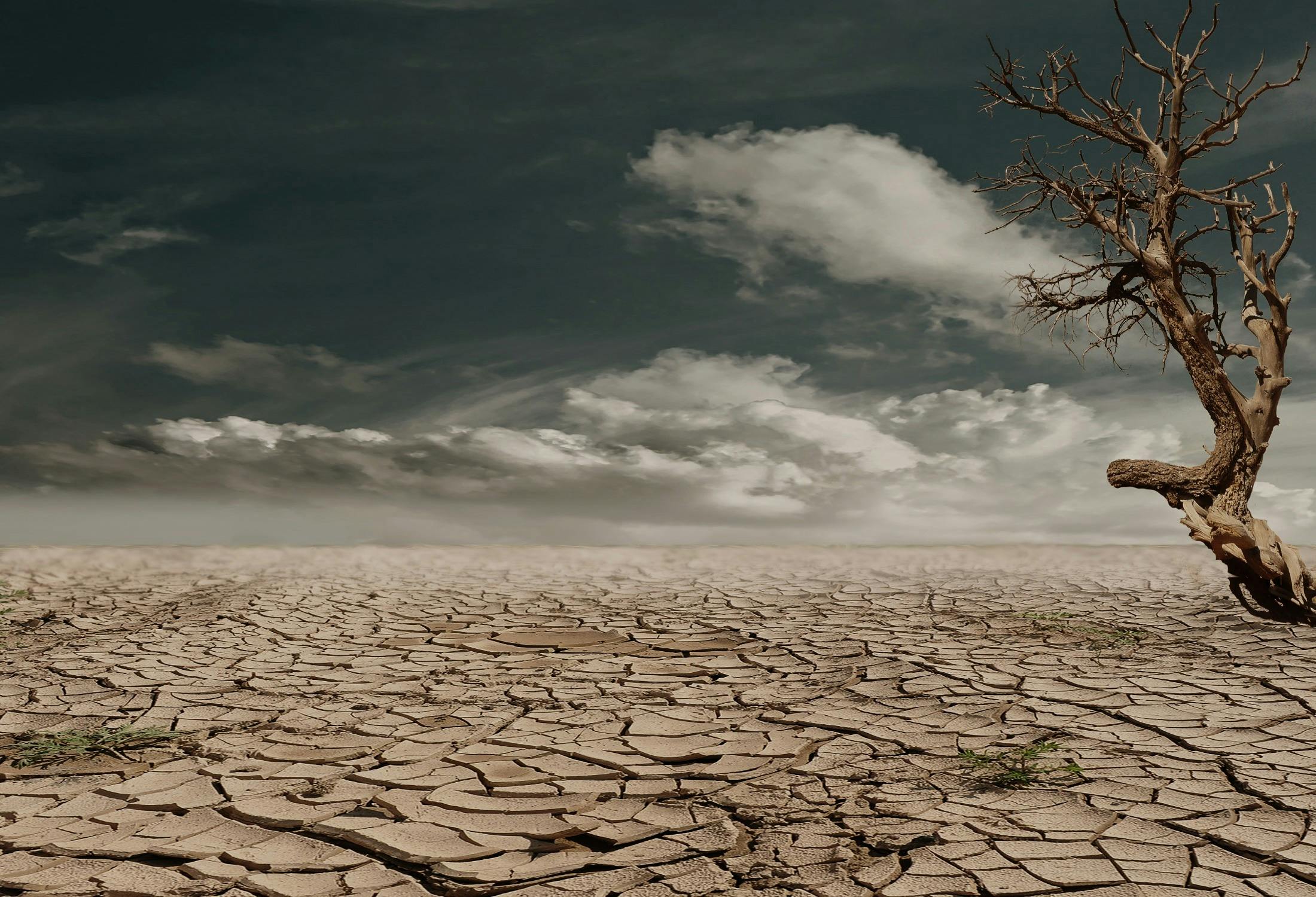
Our bodies are intricate systems that respond to environmental shifts throughout the year, affecting how we absorb and utilize essential vitamins and minerals.

🌍 The Intricate Dance Between Seasons and Nutrition
Have you ever noticed feeling more energized during certain times of the year or experiencing inexplicable fatigue during others? The answer may lie in the fascinating relationship between seasonal changes and our body’s ability to absorb micronutrients. This connection, often overlooked in modern nutrition science, holds profound implications for optimizing our health throughout the year.
Micronutrients—vitamins and minerals required in small amounts—play outsized roles in virtually every bodily function. From immune defense to energy production, from bone health to cognitive performance, these nutritional powerhouses keep our biological machinery running smoothly. What many don’t realize is that our uptake and utilization of these vital compounds fluctuate dramatically with the seasons.
🌞 Summer’s Vitamin D Advantage and Beyond
Summer brings longer days and increased sun exposure, creating ideal conditions for vitamin D synthesis. Our skin converts UVB rays into this essential nutrient, which functions more like a hormone than a traditional vitamin. During summer months, many people naturally produce sufficient vitamin D through casual sun exposure, supporting bone health, immune function, and mood regulation.
However, vitamin D isn’t the only nutrient affected by summer conditions. The seasonal abundance of fresh fruits and vegetables means our diets naturally incorporate higher levels of vitamin C, folate, and various antioxidants. Farmers’ markets overflow with colorful produce at peak ripeness, delivering maximum nutritional value. This seasonal eating pattern aligns perfectly with ancestral dietary patterns that human physiology evolved to handle.
Interestingly, summer heat and increased perspiration create higher demands for certain minerals, particularly sodium, potassium, and magnesium. Athletes and outdoor enthusiasts need to consciously replenish these electrolytes to maintain optimal cellular function and prevent dehydration-related complications.
❄️ Winter’s Nutritional Challenge
As daylight hours shrink and temperatures drop, our nutritional landscape transforms dramatically. Vitamin D deficiency becomes widespread in populations living far from the equator, where sun angles make vitamin D synthesis impossible for several months. This seasonal deficiency contributes to increased susceptibility to respiratory infections, mood disorders, and potential long-term health consequences.
Winter also traditionally meant reduced access to fresh produce, though modern agriculture and global supply chains have partially mitigated this challenge. Nonetheless, the nutritional content of out-of-season produce often pales in comparison to locally-grown seasonal alternatives. Storage time and early harvesting for transportation significantly reduce vitamin content, particularly for water-soluble vitamins like C and B-complex.
Our bodies appear to anticipate these seasonal shifts. Research suggests that our metabolic rate increases during colder months as we burn more calories to maintain body temperature. This increased metabolic demand requires greater intake of B vitamins, which serve as essential cofactors in energy production pathways.
🍂 Autumn: The Transition Period
Fall represents a transitional season with unique nutritional characteristics. Traditionally, autumn harvests provided root vegetables, squashes, and nuts—nutrient-dense foods perfect for building reserves before winter scarcity. These foods are rich in vitamin A precursors, vitamin E, and essential fatty acids that support immune function during the challenging winter months ahead.
This season also sees declining daylight hours trigger biochemical shifts in our bodies. Melatonin production patterns change, affecting sleep cycles and potentially influencing nutrient absorption in the gut. Some research suggests that our digestive efficiency may vary seasonally, though this remains an active area of investigation.
🌱 Spring: Renewal and Nutritional Opportunity
Spring’s arrival brings fresh greens, herbs, and early vegetables that are traditionally valued for their detoxifying properties. These foods are exceptionally rich in chlorophyll, folate, and vitamin K—nutrients that support liver function, blood health, and cellular renewal.
Interestingly, many traditional cultures developed spring cleansing rituals that align remarkably well with modern nutritional understanding. The bitter greens that emerge in early spring—dandelion, nettle, and wild garlic—contain compounds that support liver detoxification pathways and stimulate digestive function after heavier winter diets.
As daylight increases, our vitamin D production capacity returns, though levels remain low after winter depletion. This makes early spring a critical period for continued supplementation in many climates, even as outdoor activity increases.
🔬 The Science Behind Seasonal Nutrient Absorption
Several mechanisms explain how seasons influence micronutrient uptake. Vitamin D serves as the most obvious example, with cutaneous synthesis entirely dependent on UVB radiation intensity and duration. The angle of sunlight hitting the earth varies dramatically by season and latitude, creating predictable patterns of sufficiency and deficiency.
Less obvious are the ways seasonal dietary changes affect nutrient synergies and competition. For instance, iron absorption is enhanced by vitamin C and inhibited by calcium and certain polyphenols. Summer diets naturally high in vitamin C-rich fruits improve iron uptake, while winter diets heavier in dairy products may reduce it.
Gut microbiome composition also appears to fluctuate seasonally, influenced by dietary changes, temperature variations, and possibly evolutionary programming. Since gut bacteria produce certain B vitamins and vitamin K2, seasonal shifts in microbial populations could significantly impact nutrient availability.
Temperature itself affects nutrient requirements and utilization. Cold exposure increases the need for thyroid hormone production, which requires iodine, selenium, and tyrosine. Heat stress increases oxidative damage, raising requirements for antioxidant vitamins like C and E.
🥗 Strategic Seasonal Nutrition Planning
Understanding these seasonal patterns empowers us to optimize nutrition year-round. Here’s a practical framework for each season:
Winter Optimization Strategy
- Supplement vitamin D3 (typically 2000-4000 IU daily, though individual needs vary)
- Emphasize vitamin C-rich preserved foods like sauerkraut, citrus fruits, and frozen berries
- Include zinc-rich foods (oysters, pumpkin seeds, beef) to support immune function
- Consume adequate healthy fats to support vitamin D absorption and hormone production
- Consider vitamin A-rich foods like sweet potatoes, carrots, and liver
Spring Revitalization Approach
- Incorporate fresh leafy greens and herbs as they become available
- Gradually reduce vitamin D supplementation as sun exposure increases
- Focus on liver-supporting nutrients like B vitamins, sulfur compounds, and antioxidants
- Hydrate well as activity levels increase
- Include fermented foods to support gut health transition
Summer Abundance Utilization
- Maximize consumption of fresh, local produce at peak ripeness
- Get sensible sun exposure for vitamin D synthesis (15-30 minutes daily on exposed skin)
- Replenish electrolytes lost through perspiration
- Take advantage of outdoor physical activity
- Preserve summer produce through freezing or fermentation for winter use
Autumn Preparation Protocol
- Emphasize immune-supporting nutrients as cold season approaches
- Gradually increase vitamin D supplementation as synthesis declines
- Include nutrient-dense root vegetables and squashes
- Boost omega-3 intake through fatty fish or supplements
- Ensure adequate vitamin C stores before winter respiratory illness season
📊 Micronutrient Seasonal Variability Table
| Nutrient | Peak Season | Low Season | Primary Sources |
|---|---|---|---|
| Vitamin D | Summer | Winter | Sunlight, fatty fish, fortified foods |
| Vitamin C | Summer/Fall | Late Winter | Fresh fruits, peppers, leafy greens |
| Vitamin A | Fall | Spring | Orange vegetables, liver, dairy |
| Folate | Spring/Summer | Winter | Fresh leafy greens, legumes |
| Magnesium | Summer (demand) | Winter (availability) | Nuts, seeds, leafy greens, whole grains |
🎯 Practical Implementation for Modern Life
Applying seasonal nutrition wisdom in contemporary life requires adaptation. Most of us have year-round access to diverse foods from global supply chains, which provides opportunities but also challenges. The key is thoughtfully combining modern convenience with ancestral nutritional wisdom.
Start by identifying which locally-grown foods are in season in your region. Farmers’ markets, community-supported agriculture programs, and seasonal produce guides help reconnect us with natural food cycles. Seasonal eating typically offers economic advantages too, as in-season produce costs less and tastes better.
For nutrients difficult to obtain through diet alone—particularly vitamin D in winter—strategic supplementation becomes essential. Work with healthcare providers to test baseline levels and determine appropriate supplementation protocols. Individual needs vary based on genetics, lifestyle, current health status, and geographic location.
💡 Listening to Your Body’s Seasonal Signals
Our bodies provide feedback about nutritional status if we learn to recognize the signals. Seasonal fatigue, frequent infections, mood changes, skin issues, and energy fluctuations may all indicate micronutrient insufficiencies that vary with environmental conditions.
Keeping a simple health journal noting energy levels, mood, sleep quality, and illness frequency alongside seasonal changes can reveal patterns. This personal data becomes invaluable for identifying your unique nutritional vulnerabilities and optimizing intake accordingly.
Pay particular attention to the transition periods between seasons, when your body is adapting to new environmental conditions. These windows often represent times of increased nutritional demand and potential vulnerability.
🌟 The Future of Seasonal Nutritional Science
Emerging research continues revealing sophisticated ways our biology responds to seasonal shifts. Chronobiology—the study of biological rhythms—increasingly demonstrates that nutrient timing matters as much as quantity. Some evidence suggests that our ability to absorb certain nutrients varies by time of day and season, potentially allowing for even more precise nutritional optimization.
Personalized nutrition approaches using genetic testing, microbiome analysis, and continuous health monitoring promise to revolutionize how we address seasonal nutritional needs. These technologies may soon allow individuals to receive real-time feedback about micronutrient status and personalized recommendations that account for seasonal variations.
Climate change adds complexity to traditional seasonal patterns, potentially disrupting established relationships between environment and nutrition. As growing seasons shift and weather patterns become less predictable, we may need to develop more flexible approaches to seasonal eating and supplementation.
🔄 Creating Your Year-Round Optimization Strategy
Optimal health requires viewing nutrition as a dynamic, seasonal practice rather than a static prescription. Begin by assessing your current baseline through comprehensive micronutrient testing, ideally conducted in late winter when deficiencies are most pronounced.
Develop a rotating supplementation protocol that increases certain nutrients during high-demand or low-availability seasons while reducing or eliminating others when dietary intake suffices. This approach minimizes unnecessary supplementation while ensuring adequate intake year-round.
Build a seasonal recipe collection featuring dishes that maximize micronutrient content from locally available ingredients. Preserve summer abundance through freezing, fermenting, and other methods that retain nutritional value for winter consumption.
Most importantly, cultivate awareness of how your body responds to seasonal transitions. This mindful approach transforms nutrition from abstract science into practical wisdom that serves you throughout the year, unlocking the secret to sustained optimal health regardless of what nature brings.
By aligning our nutritional practices with natural seasonal rhythms, we honor both ancient wisdom and modern science, creating a sustainable path toward vibrant health that flows harmoniously with the world around us. The seasons aren’t obstacles to overcome but rather guides showing us exactly what our bodies need, when they need it most.