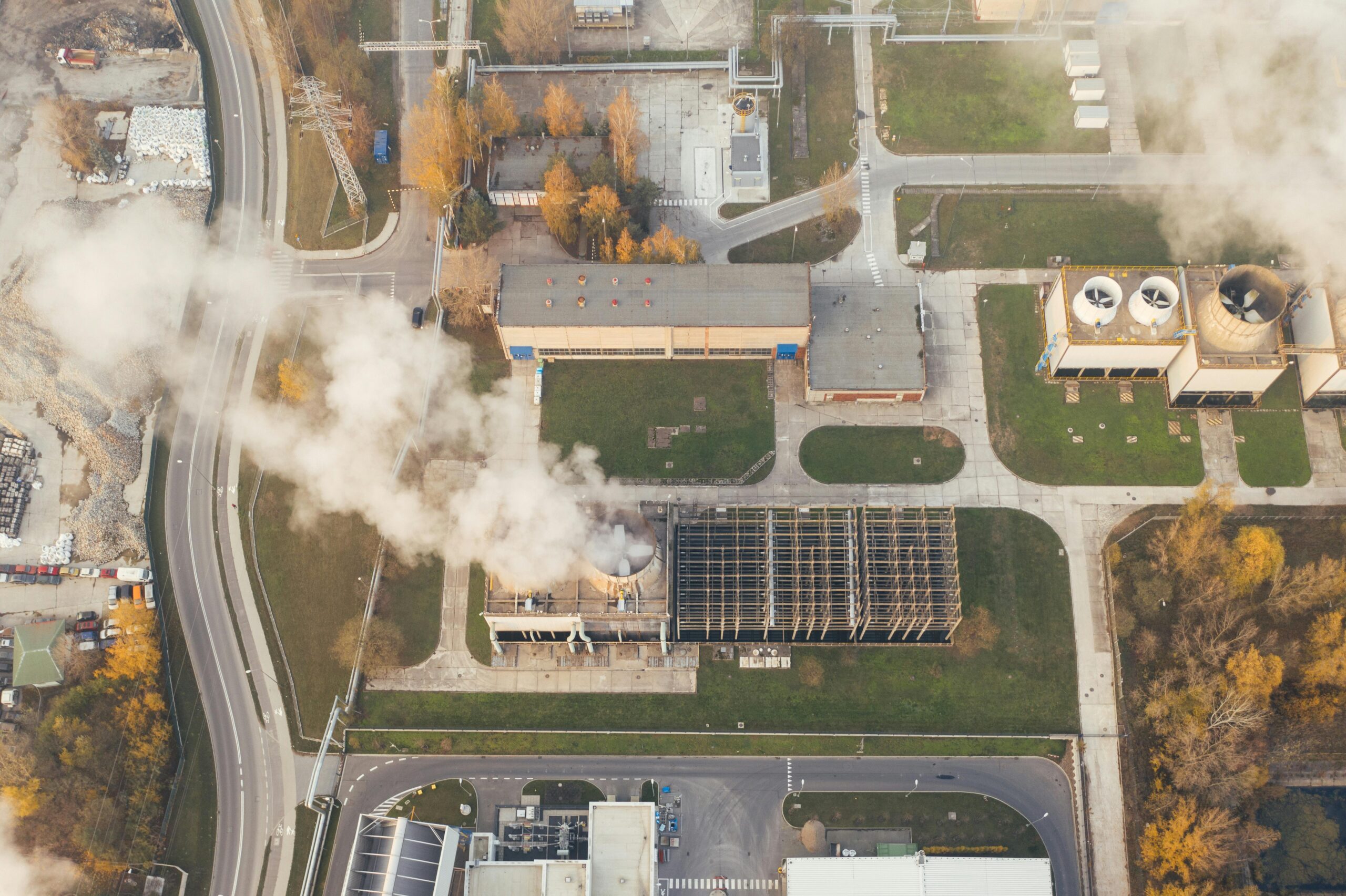
Nitrogen leaching represents one of agriculture’s most pressing environmental challenges, threatening groundwater quality and ecosystem health while silently draining farm productivity and profitability worldwide.

🌍 Understanding the Hidden Journey of Nitrogen Through Soil
Nitrogen is the lifeblood of modern agriculture, essential for crop growth and food production. Yet this vital nutrient has a dark side that often goes unnoticed until it’s too late. When nitrogen fertilizers are applied to agricultural fields, not all of it reaches the intended crops. A significant portion travels downward through the soil profile, eventually contaminating groundwater supplies and degrading aquatic ecosystems.
This process, known as nitrogen leaching, occurs when water-soluble nitrogen compounds—primarily nitrate—move beyond the root zone and percolate into groundwater. The consequences extend far beyond individual farms, affecting drinking water quality, contributing to coastal dead zones, and representing a substantial economic loss for agricultural operations.
The challenge lies in the invisible nature of this problem. Unlike surface runoff that farmers can observe, nitrogen leaching happens beneath our feet, making it difficult to detect, measure, and manage effectively. This is where spatial analysis and hotspot identification become game-changers for sustainable agriculture.
💡 The Science Behind Nitrogen Movement in Agricultural Landscapes
To effectively manage nitrogen leaching, we must first understand the complex interactions that govern nitrogen movement through soil. Several factors work in concert to determine whether applied nitrogen nourishes crops or pollutes groundwater.
Key Drivers of Nitrogen Leaching
Soil texture plays a fundamental role in nitrogen mobility. Sandy soils with large pore spaces allow water and dissolved nutrients to move rapidly through the profile, creating high-risk conditions for leaching. Conversely, clay-rich soils retain water and nutrients more effectively, reducing leaching potential but presenting other management challenges.
Rainfall patterns and irrigation practices directly influence leaching rates. Heavy precipitation events or excessive irrigation push nitrogen below the root zone before crops can absorb it. The timing of these water inputs relative to fertilizer application becomes critically important in determining leaching risk.
The form of nitrogen applied matters significantly. Nitrate nitrogen, being negatively charged, moves freely with soil water because it doesn’t bind to soil particles. Ammonium-based fertilizers initially resist leaching but convert to nitrate through microbial processes, eventually becoming mobile.
Temporal Dynamics and Seasonal Variations
Nitrogen leaching risk fluctuates dramatically throughout the year. During the growing season, actively growing crops consume nitrogen rapidly, reducing leaching potential. However, in fall and winter when fields lie fallow or crops are dormant, residual nitrogen becomes highly vulnerable to leaching during precipitation events.
Understanding these temporal patterns helps farmers time nitrogen applications more strategically, matching nutrient availability with crop demand periods and minimizing exposure during high-risk windows.
🎯 Spatial Hotspot Identification: The Foundation of Targeted Management
Not all areas within a field or watershed leach nitrogen equally. Identifying spatial hotspots—specific locations where leaching risk is elevated—enables precision management approaches that maximize efficiency while minimizing environmental impact.
Characteristics of Nitrogen Leaching Hotspots
Several landscape features consistently correlate with elevated leaching risk. Low-lying areas that accumulate water create conditions conducive to downward nitrogen movement. Regions with shallow water tables offer less buffering capacity, allowing leached nitrogen to reach groundwater quickly.
Soil variability within fields creates natural hotspots. Sandy patches, old stream channels, and areas with thin topsoil all exhibit heightened leaching potential compared to surrounding areas. Historical land use also leaves lasting impacts—former feedlots, manure application sites, and areas receiving repeated over-fertilization often continue releasing legacy nitrogen for years.
Technologies and Methods for Hotspot Detection
Modern precision agriculture tools have revolutionized our ability to identify leaching hotspots. Soil electrical conductivity mapping provides rapid, cost-effective assessment of soil texture patterns across fields. Areas with low conductivity typically indicate sandy soils with high leaching risk.
Remote sensing technologies offer another powerful approach. Satellite and drone imagery revealing patterns of crop growth can indicate areas where nitrogen is either unavailable to plants or being lost from the system. Consistently poor-performing zones often coincide with leaching hotspots.
Soil sampling remains the gold standard for direct assessment. Grid-based or zone-based sampling strategies that analyze residual soil nitrogen at various depths reveal where nitrogen has accumulated or migrated beyond the root zone.
📊 Integrated Risk Assessment Frameworks
Effective hotspot identification requires integrating multiple data sources into comprehensive risk assessment frameworks. This systems approach accounts for the complex, interacting factors that determine actual leaching risk in real-world conditions.
Creating Leaching Risk Maps
Geographic Information Systems (GIS) enable the overlay and analysis of multiple risk factors simultaneously. By combining soil maps, topographic data, groundwater depth information, land use patterns, and climate data, researchers and practitioners can generate detailed leaching risk maps.
These maps typically classify areas into risk categories—low, moderate, high, and very high—based on the convergence of risk factors. Such visualization makes abstract leaching risk concrete and actionable for farm managers and policymakers.
Modeling Approaches for Predictive Analysis
Computer simulation models take risk assessment a step further by predicting nitrogen movement under various management scenarios. Models like LEACHN, NLEAP, and DNDC simulate water and nitrogen dynamics based on soil properties, weather data, and management inputs.
While these models require significant data inputs and expertise to operate, they provide invaluable insights into how different fertilizer rates, application timings, and cover crop strategies affect leaching risk in specific hotspot areas.
🛠️ Risk Management Strategies for Identified Hotspots
Identifying hotspots is merely the first step—the ultimate goal is implementing targeted management strategies that reduce leaching risk in these vulnerable areas while maintaining agricultural productivity.
Variable Rate Nitrogen Application
Precision agriculture technologies enable farmers to vary nitrogen application rates across fields based on leaching risk and crop requirements. In hotspot areas, reduced application rates or split applications can minimize excess nitrogen vulnerable to leaching.
This approach requires prescription maps that translate hotspot identification into specific management actions. Modern equipment with GPS guidance and variable rate controllers makes implementation increasingly accessible to farmers of all scales.
Enhanced Efficiency Fertilizers and Application Timing
Nitrogen stabilizers and controlled-release formulations can substantially reduce leaching in hotspot areas. These products slow nitrogen conversion to mobile nitrate forms or physically control release rates, better synchronizing nitrogen availability with crop uptake.
Strategic timing of nitrogen applications based on crop growth stages and weather forecasts minimizes leaching risk. Avoiding applications immediately before predicted heavy rainfall and splitting total nitrogen needs into multiple smaller applications both reduce leaching potential.
Cover Crops and Biological Nitrogen Capture
Cover crops represent one of the most effective tools for managing nitrogen in leaching hotspots. These plants actively absorb residual nitrogen during vulnerable periods, preventing it from leaching. When the cover crop terminates, the captured nitrogen becomes available to the subsequent cash crop.
Winter cover crops following fall harvest prove particularly valuable, as they grow during periods of high leaching risk. Species selection matters—brassicas and cereal rye excel at scavenging residual nitrogen, while legumes additionally fix atmospheric nitrogen.
Drainage Management and Controlled Drainage
In tile-drained agricultural lands, drainage water serves as the primary pathway for nitrogen loss. Controlled drainage systems with adjustable outlets allow farmers to manage water table depths seasonally, retaining water and nitrogen during vulnerable periods while ensuring adequate drainage during critical crop growth stages.
Bioreactors and constructed wetlands at drainage outlets provide additional treatment opportunities, using microbial denitrification to remove nitrate before it reaches surface waters.
🌱 Case Studies: Success Stories in Hotspot Management
Real-world implementation of hotspot-focused nitrogen management demonstrates the practical benefits of this approach across diverse agricultural settings.
Midwest Corn Production: Precision Nitrogen Management
A multi-year study across Iowa and Illinois corn farms identified sandy knolls and field edges near drainage ditches as consistent leaching hotspots. Farmers implemented variable rate nitrogen prescriptions that reduced applications by 30-40% in these zones while maintaining or slightly increasing rates in productive areas with lower leaching risk.
Results showed average nitrogen use reductions of 15% across participating farms while maintaining yields. Groundwater monitoring revealed nitrate concentration decreases of 20-35% in shallow wells near managed hotspots within three years of implementation.
Vegetable Production in Coastal Regions
Intensive vegetable production in sandy coastal soils creates severe leaching challenges. Growers in California’s Central Coast region mapped electrical conductivity to identify the sandiest areas, then implemented enhanced efficiency fertilizers and increased fertigation frequency specifically in these hotspots.
This targeted approach reduced total nitrogen applications by 25% while improving crop uniformity and quality. Economic analysis revealed the strategy paid for itself within two seasons through reduced fertilizer costs and improved marketable yields.
🔬 Emerging Technologies and Future Directions
The field of nitrogen leaching management continues evolving rapidly, with emerging technologies promising even more precise hotspot identification and management capabilities.
Real-Time Soil Nitrogen Sensors
Next-generation sensors capable of measuring soil nitrate concentrations in real-time are transitioning from research tools to commercial availability. These devices enable dynamic nitrogen management that responds to actual soil conditions rather than relying solely on predictive models.
When deployed in identified hotspot areas, these sensors can trigger targeted interventions—additional cover crop seeding, drainage management adjustments, or precision applications—based on actual nitrogen levels and leaching risk.
Machine Learning and Artificial Intelligence
Machine learning algorithms can identify complex patterns in large agricultural datasets that human analysis might miss. These systems continuously improve their hotspot predictions as they process more data, accounting for subtle interactions between variables.
AI-powered decision support systems can integrate weather forecasts, soil data, crop sensing information, and management history to provide daily recommendations for nitrogen management in specific field zones.
Genomic Approaches to Nitrogen Use Efficiency
Plant breeding and genetic technologies are developing crop varieties with dramatically improved nitrogen use efficiency. These crops extract more nitrogen from soil, require lower application rates, and leave less residual nitrogen vulnerable to leaching—particularly valuable when grown in hotspot areas.
💰 Economic and Environmental Returns on Investment
Implementing hotspot-focused nitrogen management requires upfront investment in assessment, technology, and potentially altered management practices. Understanding the return on this investment helps justify adoption.
Direct Economic Benefits
Reduced fertilizer costs provide immediate economic returns. When variable rate application reduces nitrogen use by even 10-15% without yield penalties, savings accumulate quickly given current fertilizer prices. Additional benefits include improved crop quality, reduced lodging in over-fertilized areas, and potentially enhanced soil health.
Risk Mitigation Value
As water quality regulations tighten globally, proactive nitrogen management reduces compliance risks and potential penalties. Some regions offer incentive payments for practices that reduce nutrient loading, creating additional revenue streams for participating farmers.
Environmental and Social Benefits
Beyond farm-level economics, society gains substantially from reduced nitrogen pollution. Cleaner groundwater, healthier aquatic ecosystems, and reduced greenhouse gas emissions from denitrification all represent public goods generated by effective hotspot management.
🚀 Implementing Hotspot Management: A Practical Roadmap
Transitioning from conventional uniform nitrogen management to hotspot-focused strategies requires systematic planning and execution.
Step One: Initial Assessment and Data Collection
Begin with readily available data—soil surveys, topographic maps, historical aerial imagery, and yield maps. These provide a preliminary indication of potential hotspots without requiring significant investment. Soil electrical conductivity surveys offer cost-effective next-level assessment for most operations.
Step Two: Ground-Truthing and Validation
Field observation and targeted soil sampling validate initial assessments. Focus sampling efforts on suspected hotspot areas, collecting samples at multiple depths to assess whether nitrogen is moving below the root zone. Engage with neighbors and watershed groups who may have relevant monitoring data.
Step Three: Management Plan Development
Based on confirmed hotspots, develop specific management strategies appropriate to your operation’s scale, crops, and equipment capabilities. Start with manageable changes—adjusted application timing or rates in highest-risk areas—before implementing more complex precision technologies.
Step Four: Implementation and Monitoring
Execute your management plan while carefully documenting all activities. Monitor both agronomic performance and environmental indicators where possible. Many extension services and conservation districts offer support for monitoring programs.
Step Five: Adaptive Management
Review results annually and adjust strategies based on what worked and what didn’t. Nitrogen management is inherently variable due to weather and other uncontrollable factors—success comes from continuous improvement rather than perfect execution.
🤝 Collaborative Approaches and Watershed-Scale Management
While individual farm actions matter, nitrogen leaching often requires coordinated watershed-level responses to achieve meaningful environmental improvements.
Watershed collaboratives bring together farmers, agencies, researchers, and community stakeholders to identify priority areas and implement coordinated management strategies. These groups can pool resources for monitoring, share equipment for precision management, and leverage collective action for grant funding.
Regional hotspot mapping at watershed scales reveals cumulative impacts and helps prioritize limited conservation resources to areas where interventions provide maximum benefit. This broader perspective often identifies critical source areas that individual farm-level analysis might miss.
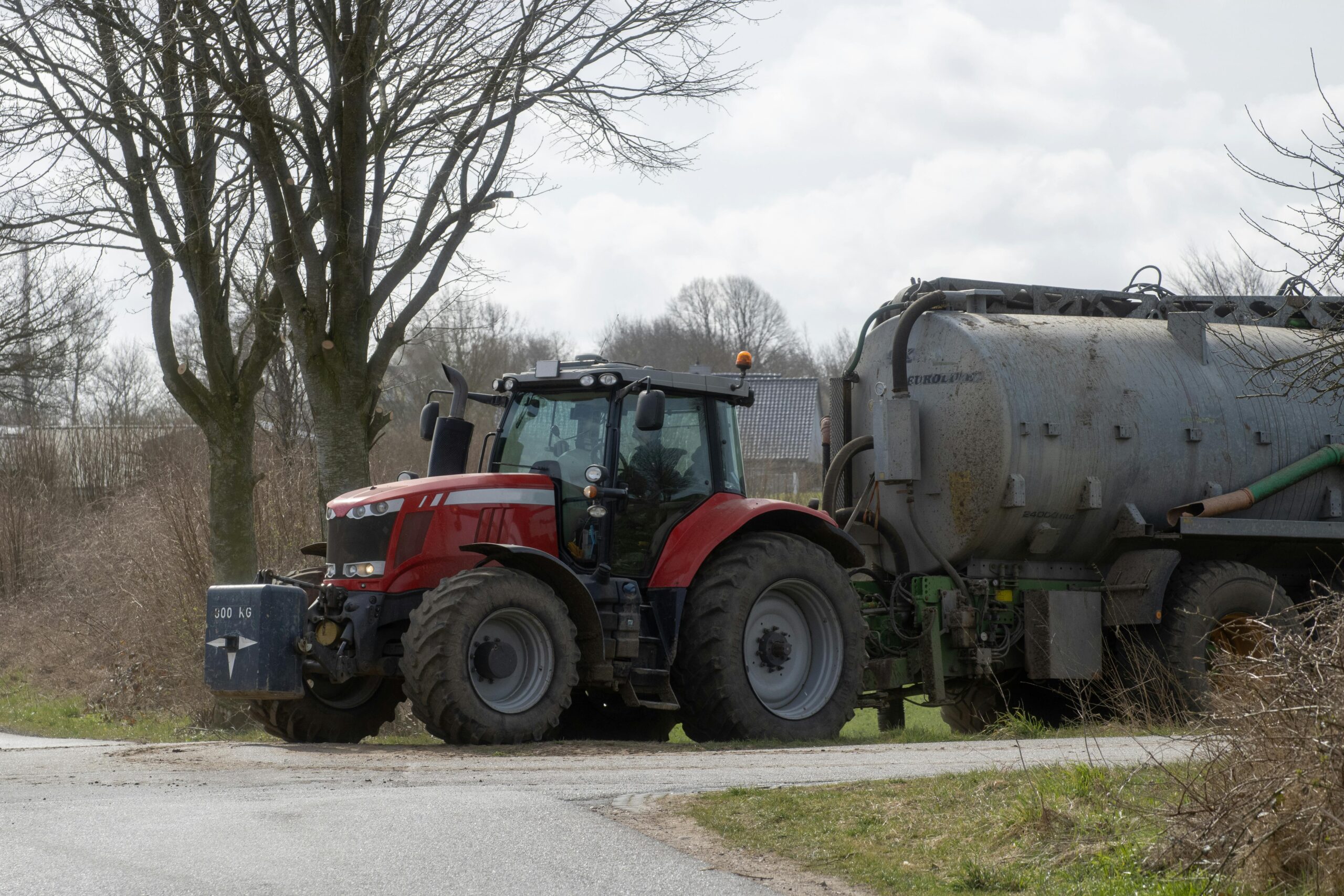
🌟 Transforming Challenge into Opportunity
Nitrogen leaching represents a complex challenge at the intersection of agricultural productivity and environmental stewardship. However, by identifying and targeting spatial hotspots where leaching risk concentrates, we transform this diffuse problem into manageable interventions with measurable outcomes.
The technologies and knowledge needed for effective hotspot management are increasingly accessible to farmers of all scales. From simple visual field observations to sophisticated sensor networks and predictive models, tools exist across the complexity spectrum to match available resources and expertise.
Success requires commitment to systematic assessment, willingness to adjust traditional practices, and patience to allow management changes to demonstrate their full benefits. Yet the rewards—reduced input costs, regulatory compliance, environmental protection, and operational sustainability—justify this investment many times over.
As agriculture continues intensifying to meet global food demands, efficient nitrogen management becomes non-negotiable. Hotspot identification and targeted management provide a practical pathway forward, allowing farmers to maintain productivity while protecting water resources for current and future generations.
The journey toward truly sustainable nitrogen management begins with understanding where the problem concentrates—unlocking the secrets of nitrogen leaching through spatial analysis, then applying that knowledge through precision management that treats fields not as uniform blocks but as the complex, variable landscapes they truly are.