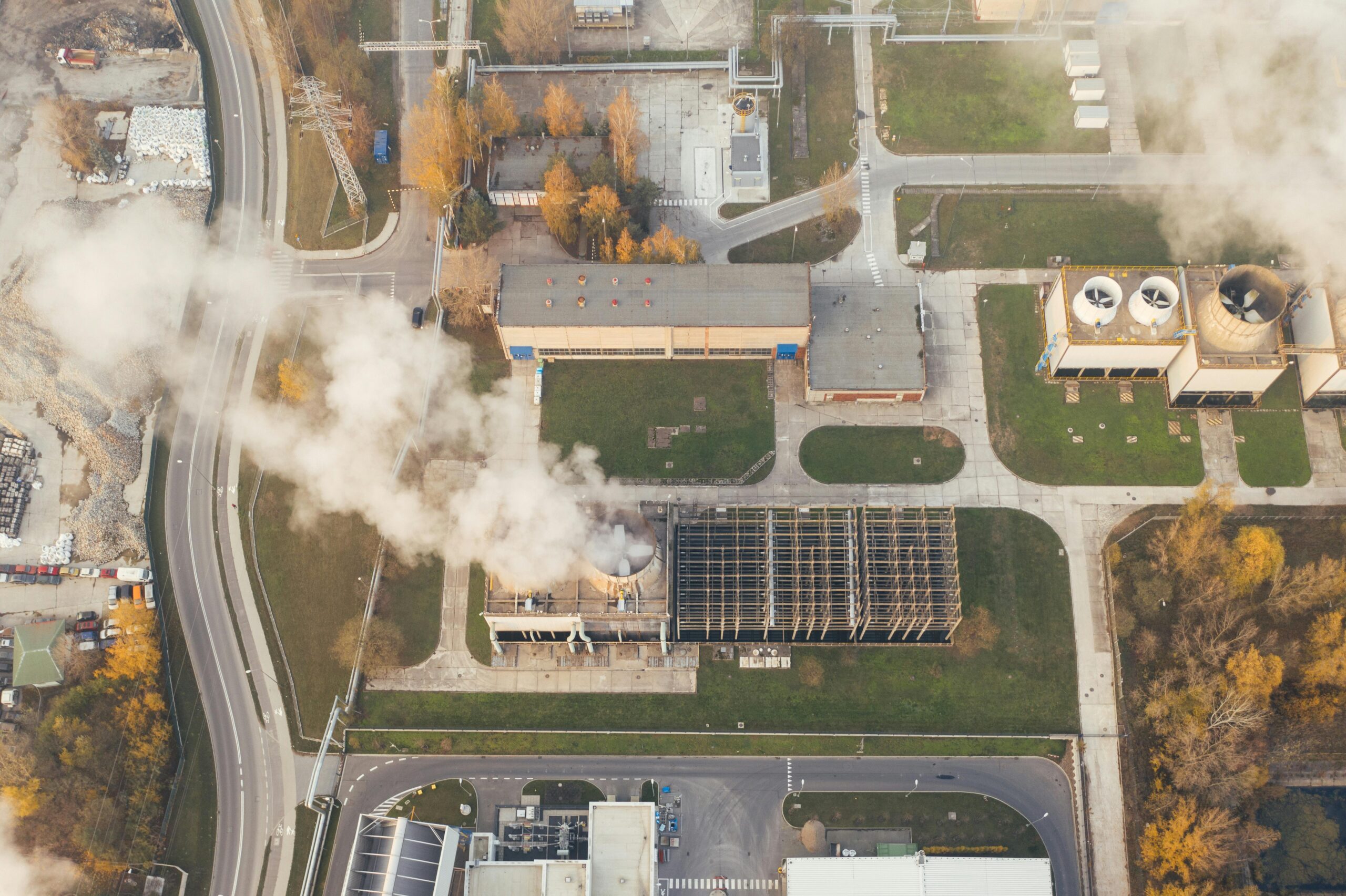
Nitrous oxide is often overshadowed by carbon dioxide in climate discussions, yet this potent greenhouse gas demands our urgent attention and coordinated action.

🌍 Understanding the Silent Climate Threat: What Makes N₂O So Dangerous?
Nitrous oxide (N₂O) represents one of the most underestimated challenges in our fight against climate change. While carbon dioxide receives the lion’s share of media attention, N₂O possesses a global warming potential approximately 300 times greater than CO₂ over a 100-year period. This remarkable potency, combined with its atmospheric lifetime of around 114 years, makes nitrous oxide a formidable contributor to planetary warming.
The molecule itself consists of two nitrogen atoms bonded to a single oxygen atom, creating a compound that plays a dual role in environmental degradation. Not only does it trap heat in the atmosphere, but it also participates in the destruction of the stratospheric ozone layer that protects life on Earth from harmful ultraviolet radiation.
Current atmospheric concentrations of nitrous oxide have increased by approximately 23% since pre-industrial times, rising from about 270 parts per billion to over 330 parts per billion today. This acceleration has intensified particularly over the past five decades, coinciding with the expansion of industrial agriculture and fossil fuel consumption worldwide.
🔬 Tracing the Sources: Where Does Atmospheric N₂O Come From?
Understanding the origins of nitrous oxide emissions is essential for developing effective mitigation strategies. The sources are diverse, spanning both natural processes and human activities, with anthropogenic emissions now dominating the global N₂O budget.
Agricultural Activities: The Primary Culprit
Agriculture accounts for approximately 70% of all human-caused nitrous oxide emissions globally. The primary driver is synthetic nitrogen fertilizer application, which has expanded dramatically since the mid-20th century. When farmers apply nitrogen-based fertilizers to crops, soil microbes convert a portion of this nitrogen into N₂O through the processes of nitrification and denitrification.
The efficiency of nitrogen use in agriculture remains surprisingly low, with crops typically absorbing only 30-50% of applied fertilizers. The remainder enters the environment as runoff, leaches into groundwater, or escapes into the atmosphere as nitrous oxide. Animal manure management contributes additional emissions, particularly from intensive livestock operations where waste concentrations overwhelm natural decomposition processes.
Industrial and Energy Production
Industrial activities represent another significant source category. The production of adipic acid (used in nylon manufacturing) and nitric acid (a component of fertilizers and explosives) historically released substantial N₂O quantities. Modern abatement technologies have reduced these emissions in developed nations, but they remain problematic in regions with less stringent environmental regulations.
Fossil fuel combustion in power plants, vehicles, and industrial facilities produces nitrous oxide as a byproduct of high-temperature combustion. While these emissions are smaller in magnitude compared to agricultural sources, they remain meaningful contributors to the overall atmospheric burden.
Natural Ecosystem Processes
Natural sources account for approximately 60% of total N₂O emissions when considering both anthropogenic and natural origins combined. Soils and oceans naturally release nitrous oxide through microbial activity, though human activities have intensified these natural processes through nitrogen deposition from air pollution and agricultural runoff entering aquatic ecosystems.
📊 The Climate Impact: Quantifying N₂O’s Environmental Footprint
The climate forcing potential of nitrous oxide extends far beyond simple warming effects. Scientists estimate that N₂O contributes approximately 6-7% of total anthropogenic radiative forcing, making it the third most important long-lived greenhouse gas after carbon dioxide and methane.
Recent research published in leading climate journals indicates that nitrous oxide emissions are tracking along the highest emission scenarios outlined by the Intergovernmental Panel on Climate Change (IPCC). This trajectory suggests we may experience more severe climate impacts than previously anticipated if current trends continue unabated.
The atmospheric chemistry of N₂O adds complexity to its environmental impact. Once released, the molecule eventually migrates to the stratosphere where ultraviolet radiation breaks it down, producing nitrogen oxides that catalytically destroy ozone molecules. Currently, N₂O represents the single most important ozone-depleting substance emitted by human activities, surpassing the impact of regulated chlorofluorocarbons (CFCs).
🌾 Agricultural Solutions: Transforming Farming Practices for N₂O Reduction
Addressing agricultural nitrous oxide emissions requires a multifaceted approach that balances food production needs with environmental stewardship. Fortunately, numerous proven strategies can significantly reduce N₂O releases while maintaining or even improving crop yields.
Precision Nitrogen Management
Precision agriculture technologies enable farmers to apply fertilizers more efficiently, matching nitrogen inputs to actual crop requirements. Variable rate application systems use GPS guidance and soil sensors to deliver precise fertilizer amounts only where needed, reducing excess nitrogen that would otherwise convert to N₂O.
The “four Rs” of nutrient stewardship—right source, right rate, right time, and right place—provide a framework for optimizing nitrogen use efficiency. Implementing these principles can reduce fertilizer application rates by 15-30% while maintaining yields, directly translating to lower nitrous oxide emissions.
Enhanced Efficiency Fertilizers
Nitrification and urease inhibitors represent innovative chemical additives that slow the conversion of applied nitrogen into forms susceptible to N₂O production. These enhanced efficiency fertilizers extend nitrogen availability to crops while reducing losses to the atmosphere and waterways.
Controlled-release fertilizers encapsulate nutrients in coatings that gradually dissolve, synchronizing nitrogen availability with plant uptake patterns throughout the growing season. Field trials demonstrate emission reductions of 30-50% compared to conventional fertilizers when properly managed.
Cover Cropping and Crop Rotation
Integrating cover crops into rotation systems improves soil health, enhances nitrogen cycling efficiency, and reduces the need for synthetic fertilizers. Leguminous cover crops can biologically fix atmospheric nitrogen, providing a renewable nitrogen source that produces fewer N₂O emissions than manufactured alternatives.
Diverse crop rotations disrupt pest and disease cycles while improving soil structure and microbial communities. These healthier soil ecosystems process nitrogen more efficiently, minimizing conditions that favor nitrous oxide production.
🏭 Industrial and Energy Sector Interventions
Beyond agriculture, industrial and energy sectors offer significant opportunities for nitrous oxide mitigation. Catalytic destruction technologies can eliminate over 90% of N₂O emissions from adipic and nitric acid production facilities. Many developed nations have mandated these technologies, achieving dramatic reductions in industrial emissions.
The transportation sector can contribute through improved combustion technologies and emission control systems. Modern catalytic converters in vehicles reduce N₂O formation, though ensuring these systems remain effective throughout vehicle lifetimes requires robust inspection and maintenance programs.
Transitioning energy systems away from fossil fuels toward renewable sources eliminates combustion-related N₂O emissions entirely. Solar, wind, and hydroelectric power generation produce negligible nitrous oxide, making decarbonization strategies doubly beneficial for climate protection.
🌐 Policy Frameworks: Governance Approaches for N₂O Control
Effective nitrous oxide mitigation requires supportive policy environments that incentivize emission reductions while supporting affected industries and communities. Several governance approaches have demonstrated promise in different contexts.
Regulatory Standards and Emission Limits
Direct regulation of industrial N₂O sources through emission standards has proven highly effective. The European Union’s Industrial Emissions Directive mandates abatement technologies for nitric and adipic acid plants, virtually eliminating these sources across member states.
Agricultural emission regulations face greater complexity due to the diffuse nature of farm sources and the essential role of food production. Some jurisdictions have implemented nutrient management planning requirements that indirectly reduce N₂O by improving nitrogen use efficiency.
Economic Instruments and Market Mechanisms
Carbon pricing systems that include nitrous oxide create financial incentives for emission reductions. When N₂O emissions carry a cost, farmers and industries gain motivation to adopt mitigation practices. The high global warming potential of N₂O means that even modest emission reductions generate substantial climate benefits under carbon credit systems.
Subsidy reform represents another powerful policy lever. Many governments currently subsidize nitrogen fertilizer production and use, inadvertently encouraging overuse. Redirecting these subsidies toward precision agriculture technologies and enhanced efficiency products would align economic incentives with environmental objectives.
Research Investment and Technology Development
Public investment in agricultural research and development accelerates the creation and deployment of emission-reducing innovations. Government funding has supported breakthroughs in precision agriculture, enhanced efficiency fertilizers, and improved understanding of soil nitrogen dynamics.
📱 Technology and Monitoring: Digital Tools for N₂O Management
Emerging technologies are revolutionizing our ability to measure, monitor, and manage nitrous oxide emissions. Satellite remote sensing systems can now detect N₂O concentrations in the atmosphere, enabling researchers to identify emission hotspots and verify mitigation effectiveness at regional scales.
Ground-based sensor networks provide real-time data on soil conditions that influence nitrous oxide production. These systems integrate with farm management software, alerting farmers to conditions that may trigger elevated emissions and recommending interventions.
Artificial intelligence and machine learning algorithms analyze vast datasets to predict optimal fertilizer application timing and rates for specific field conditions. These predictive models help farmers maximize nitrogen use efficiency while minimizing environmental losses.
💪 Individual and Community Action: What You Can Do Today
While systemic change requires policy action and technological innovation, individuals and communities can contribute meaningfully to nitrous oxide mitigation through informed choices and local initiatives.
Dietary Choices and Food Waste Reduction
Food production accounts for the majority of human-caused N₂O emissions, with some foods carrying much larger nitrogen footprints than others. Reducing consumption of nitrogen-intensive products, particularly industrially produced meat and dairy, decreases demand for the fertilizer applications that drive agricultural emissions.
Minimizing food waste directly reduces the emissions embedded in discarded products. Approximately one-third of food produced globally goes to waste, representing a massive unnecessary emission source. Planning meals, storing food properly, and composting unavoidable scraps all contribute to solutions.
Supporting Sustainable Agriculture
Consumer purchasing decisions influence agricultural practices. Choosing products from farms that employ sustainable nitrogen management—often identified through organic, regenerative, or sustainability certifications—creates market demand for lower-emission production systems.
Community-supported agriculture programs and farmers markets connect consumers directly with local producers, often featuring farms that prioritize environmental stewardship. These relationships enable informed purchasing decisions while supporting agricultural systems that work with natural processes rather than overwhelming them with synthetic inputs.
Advocacy and Awareness Building
Raising awareness about nitrous oxide’s climate impact helps build political will for stronger mitigation policies. Engaging with elected representatives, supporting environmental organizations working on nitrogen issues, and sharing information within your networks all contribute to the broader movement for climate action.
Local governments often have authority over land use planning and agricultural extension services. Advocating for nitrogen management programs, precision agriculture technical assistance, and water quality protection measures creates community-level change that aggregates into larger impacts.
🔮 The Path Forward: Integrating N₂O into Comprehensive Climate Strategy
Addressing the nitrous oxide challenge requires integrating N₂O mitigation into broader climate action frameworks. The Paris Agreement’s nationally determined contributions should explicitly address nitrous oxide alongside carbon dioxide and methane, with specific targets and implementation pathways for agriculture, industry, and energy sectors.
International cooperation remains essential given the global nature of both food systems and atmospheric circulation. Technology transfer mechanisms can help developing nations access emission-reducing innovations without repeating the high-emission development pathways of industrialized countries. Financial support for sustainable agricultural intensification helps meet growing food demands while protecting the climate.
The co-benefits of nitrous oxide mitigation extend beyond climate protection. Improved nitrogen use efficiency reduces water pollution from agricultural runoff, protecting aquatic ecosystems and drinking water supplies. Lower fertilizer application rates decrease farmer input costs while reducing the energy consumption and emissions associated with fertilizer manufacturing.
Scientific research continues revealing new dimensions of the nitrous oxide challenge and potential solutions. Enhanced weathering, biochar application, and novel microbial amendments show promise in laboratory and field studies. Continued investment in understanding soil nitrogen cycling and developing practical mitigation technologies will unlock additional opportunities for emission reductions.

🌟 Embracing the Opportunity: N₂O Mitigation as Climate Action Accelerator
The relatively limited attention nitrous oxide has received in climate policy discussions represents an opportunity rather than merely a problem. Substantial emission reductions remain technically feasible and economically attractive across multiple sectors. The high global warming potential of N₂O means that even modest percentage reductions deliver outsized climate benefits.
Agricultural transformation toward more efficient nitrogen use aligns with multiple sustainable development goals, including food security, water quality, biodiversity protection, and climate mitigation. This convergence enables integrated approaches that address multiple challenges simultaneously rather than treating them as competing priorities.
The next decade represents a critical window for establishing trajectories that will determine long-term atmospheric nitrous oxide concentrations and associated climate impacts. The technologies and practices needed for dramatic emission reductions largely already exist; the primary challenge lies in deployment at sufficient scale and speed.
Success requires unprecedented coordination across agricultural, industrial, energy, and policy sectors, bridging divides between environmental protection and economic development. The growing recognition of climate change as an existential threat creates political space for ambitious action, while technological advances make deep emission cuts increasingly feasible and affordable.
Every ton of nitrous oxide prevented from entering the atmosphere represents 300 tons of CO₂-equivalent warming avoided—a remarkable return on investment for climate protection efforts. By elevating N₂O reduction to the prominence it deserves alongside carbon dioxide and methane mitigation, we can accelerate progress toward climate stabilization while strengthening food systems, protecting ecosystems, and building more resilient communities for generations to come.