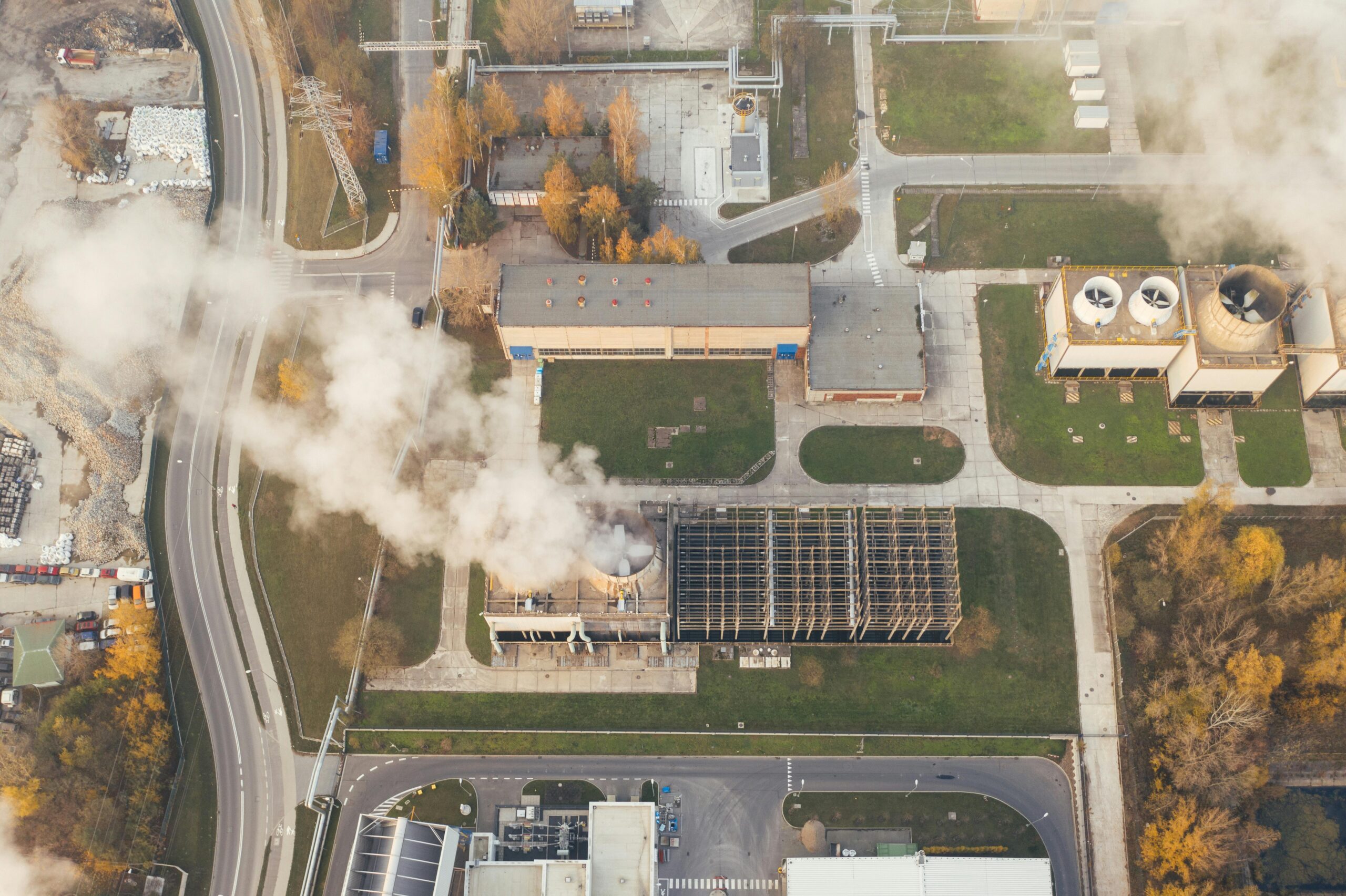
Balancing high agricultural productivity with environmental stewardship has become a critical challenge for modern farmers seeking to optimize yields while preserving soil health and reducing nitrogen losses.

🌾 Understanding the Nitrogen Challenge in Modern Agriculture
Nitrogen is the lifeblood of crop production, serving as a fundamental building block for plant proteins, chlorophyll, and essential enzymes. However, the application of nitrogen fertilizers presents a double-edged sword for agricultural systems. While adequate nitrogen availability can dramatically increase crop yields, excessive or poorly timed applications lead to substantial environmental and economic losses.
The global agricultural sector loses approximately 50-70% of applied nitrogen through various pathways including leaching, volatilization, denitrification, and runoff. These losses not only represent wasted resources and diminished profitability but also contribute to water pollution, greenhouse gas emissions, and ecosystem degradation. Understanding these loss mechanisms is the first step toward developing effective mitigation strategies.
The Major Pathways of Nitrogen Loss
Nitrogen escapes from agricultural systems through several distinct mechanisms, each influenced by different environmental conditions and management practices. Leaching occurs when water-soluble nitrate moves beyond the root zone into groundwater, particularly prevalent in sandy soils with low organic matter content. Volatilization transforms ammonia-based fertilizers into gaseous ammonia that dissipates into the atmosphere, especially under warm, alkaline conditions.
Denitrification converts nitrate into nitrogen gas or nitrous oxide under anaerobic soil conditions, with the latter being a potent greenhouse gas 300 times more powerful than carbon dioxide. Surface runoff carries dissolved and particulate nitrogen into nearby water bodies during rainfall events, contributing to eutrophication and dead zones in aquatic ecosystems.
💡 Precision Nitrogen Management Technologies
The integration of precision agriculture technologies has revolutionized nitrogen management capabilities, enabling farmers to apply the right amount of fertilizer at the right time and place. Variable rate application systems use GPS-guided equipment combined with soil testing data, yield maps, and remote sensing imagery to adjust nitrogen rates across different management zones within a field.
Advanced sensors can now measure crop nitrogen status in real-time, allowing for dynamic adjustments throughout the growing season. Chlorophyll meters, NDVI sensors mounted on tractors or drones, and satellite imagery provide actionable insights into crop nitrogen requirements. These technologies help eliminate guesswork and reduce over-application, which is common when farmers use blanket rates across diverse field conditions.
Soil Testing and Crop Monitoring Strategies
Comprehensive soil testing forms the foundation of effective nitrogen management. Pre-season soil nitrate testing provides baseline information about residual nitrogen from previous crops, organic matter mineralization, and carryover from past applications. Grid sampling or zone-based sampling captures spatial variability within fields, enabling more targeted fertilizer prescriptions.
In-season tissue testing and plant analysis complement soil tests by revealing the actual nutritional status of growing crops. This approach identifies deficiencies or excesses before they significantly impact yields, allowing for corrective applications through side-dressing or foliar feeding. Combining multiple data sources creates a holistic picture of nitrogen dynamics throughout the production cycle.
🌱 Optimizing Application Timing and Methods
When nitrogen is applied often matters more than how much is applied. Split applications that divide total nitrogen needs into multiple smaller doses throughout the growing season dramatically improve nitrogen use efficiency. This practice synchronizes nitrogen availability with crop demand patterns, reducing the time nitrogen remains vulnerable to loss mechanisms.
The “4R” nutrient stewardship framework provides a comprehensive approach: Right Source, Right Rate, Right Time, and Right Place. Selecting appropriate nitrogen sources based on crop needs, soil conditions, and environmental risks minimizes loss potential. Enhanced efficiency fertilizers with nitrification inhibitors or polymer coatings slow nitrogen transformation and release, extending availability while reducing leaching and volatilization.
Strategic Placement Techniques
Fertilizer placement significantly influences nitrogen retention and crop uptake efficiency. Subsurface banding or injection places nitrogen below the soil surface where volatilization risks decrease and root interception increases. This method proves particularly effective for ammonia-based fertilizers that otherwise lose substantial quantities to the atmosphere.
Starter fertilizer placement near the seed or transplant at planting provides early-season nutrition when root systems are limited, promoting vigorous establishment without excessive total nitrogen applications. Deep placement in ridge or bed systems positions nitrogen where roots actively explore during critical growth stages, improving synchronization between supply and demand.
🔄 Cover Crops and Living Root Systems
Cover crops represent one of the most powerful tools for capturing residual nitrogen and preventing off-season losses. Non-legume cover crops like cereal rye, oats, and annual ryegrass scavenge leftover nitrogen from the soil profile, converting it into plant biomass that releases nutrients gradually as the cover crop decomposes. This biological recycling reduces leaching losses by 70% or more in many systems.
Leguminous cover crops such as clover, vetch, and field peas offer the dual benefit of capturing residual nitrogen while fixing atmospheric nitrogen through symbiotic relationships with rhizobia bacteria. Strategic use of legume covers can contribute 40-150 pounds of nitrogen per acre to subsequent cash crops, reducing synthetic fertilizer requirements while building soil organic matter.
Implementing Successful Cover Crop Systems
Successful cover cropping requires careful species selection based on climate, rotation timing, and management objectives. Cool-season covers establish after summer crop harvest and grow through fall and early spring, capturing nutrients during periods of high leaching risk. Warm-season covers fill gaps in crop rotations, preventing bare soil conditions that accelerate nitrogen losses.
Termination timing and methods influence nitrogen cycling from cover crops to cash crops. Early termination through mowing, rolling, or herbicide application provides a nitrogen flush for early-season crop growth, while delayed termination builds more biomass and organic matter. Understanding decomposition rates helps predict nutrient release patterns for optimal cash crop performance.
📊 Enhanced Efficiency Fertilizer Products
The fertilizer industry has developed numerous enhanced efficiency products designed to slow nitrogen transformations and reduce loss pathways. Nitrification inhibitors like nitrapyrin temporarily block the bacterial conversion of ammonium to nitrate, keeping nitrogen in the less mobile ammonium form for several weeks. This technology particularly benefits fall-applied fertilizers that face high leaching risks over winter.
Urease inhibitors prevent the enzyme-driven conversion of urea to ammonia, dramatically reducing volatilization losses from surface-applied urea fertilizers. Research demonstrates that urease inhibitors can reduce ammonia volatilization by 30-60% depending on environmental conditions, translating directly into improved nitrogen use efficiency and yield potential.
| Technology Type | Primary Benefit | Loss Reduction | Best Applications |
|---|---|---|---|
| Nitrification Inhibitors | Reduces leaching | 15-30% | Fall applications, irrigated systems |
| Urease Inhibitors | Reduces volatilization | 30-60% | Surface-applied urea |
| Polymer Coatings | Controlled release | 20-40% | High-value crops, nurseries |
| Stabilized Urea | Multiple pathways | 25-45% | Diverse conditions |
💧 Water Management Integration
Nitrogen and water management are inseparably linked, as water serves as the primary transport mechanism for nitrogen movement through soil profiles. Efficient irrigation systems that match water application to crop needs minimize deep percolation that carries nitrate below the root zone. Drip and micro-irrigation technologies deliver water precisely where plants need it, maintaining optimal soil moisture without excessive drainage.
Drainage water management systems control the timing and volume of water leaving agricultural fields through subsurface tile drainage. By raising outlet elevations or installing controlled drainage structures, farmers can retain water and dissolved nutrients in the root zone during periods of low crop demand, then allow drainage during wet periods to prevent waterlogging.
Fertigation Opportunities and Challenges
Fertigation—applying fertilizers through irrigation systems—enables unprecedented precision in nitrogen delivery. Small, frequent nitrogen applications through drip or sprinkler systems match crop uptake patterns closely, reducing the pool of vulnerable nitrogen in the soil at any given time. This approach proves especially effective for high-value vegetable and fruit crops with extended growing seasons and variable nitrogen demands.
However, fertigation requires careful calibration and monitoring to prevent uneven distribution or over-application. Injection equipment must deliver consistent concentrations throughout the irrigation cycle, and system maintenance becomes critical for preventing clogging and ensuring uniform coverage. Regular monitoring of soil and tissue nitrogen levels helps fine-tune fertigation schedules for optimal results.
🌍 Building Soil Health for Nitrogen Retention
Healthy soils with abundant organic matter and active microbial communities naturally retain and cycle nitrogen more effectively than degraded soils. Organic matter serves as a vast reservoir of slowly available nitrogen, releasing nutrients through mineralization as microorganisms decompose organic residues. Every 1% increase in soil organic matter can provide 20-40 pounds of nitrogen annually through mineralization.
Practices that build soil organic matter—including reduced tillage, diverse crop rotations, cover cropping, and organic amendments—create a biological buffer against nitrogen losses. Aggregated soil structure improves water infiltration while reducing runoff, and enhanced biological activity immobilizes excess nitrogen that might otherwise leach. These benefits compound over time, creating resilient systems that maintain productivity with reduced external inputs.
Microbial Inoculants and Biological Nitrogen Management
Emerging biological products harness beneficial microorganisms to enhance nitrogen cycling and availability. Rhizobia inoculants for legumes optimize biological nitrogen fixation, ensuring maximum conversion of atmospheric nitrogen into plant-available forms. Non-legume crops also benefit from mycorrhizal fungi that expand root exploration capacity and improve nutrient acquisition efficiency.
Free-living nitrogen-fixing bacteria like Azospirillum and endophytic bacteria that colonize plant tissues show promise for supplementing nitrogen nutrition in cereal crops. While these biological nitrogen sources cannot fully replace synthetic fertilizers in high-yielding systems, they reduce total fertilizer requirements while improving soil biological diversity and function.
📱 Crop Rotation and Diversification Benefits
Diverse crop rotations break pest and disease cycles while optimizing nitrogen management across the entire rotation. Including legume crops fixes atmospheric nitrogen, reducing fertilizer needs for subsequent crops. Small grains and forages with extensive root systems scavenge nitrogen from deep in the soil profile, capturing nutrients that would otherwise leach beyond reach of shallow-rooted crops.
Rotation diversity also spreads nitrogen application timing across different seasons, reducing the concentration of vulnerable nitrogen in fields at any single point. Crops with varying nitrogen requirements allow for tailored management approaches, with lower-demand crops following heavy feeders to utilize residual nitrogen efficiently.
🎯 Economic Considerations and Return on Investment
Implementing comprehensive nitrogen management strategies requires upfront investments in equipment, technology, and knowledge. However, the economic returns extend beyond immediate yield increases. Reduced fertilizer waste directly improves profitability, with each pound of saved nitrogen representing avoided costs and environmental liabilities.
Long-term soil health improvements reduce vulnerability to drought and disease, lowering overall production risks and input costs. Many conservation practices that reduce nitrogen losses also qualify for government incentive programs, cost-share opportunities, and carbon market credits, providing additional revenue streams that improve the economic case for adoption.
Calculating True Costs and Benefits
Comprehensive economic analysis should account for multiple factors beyond immediate crop yields. Reduced environmental compliance risks, improved public perception, and potential premium market access for sustainably produced crops add value that simple yield comparisons miss. Water quality improvements reduce downstream treatment costs and liability exposure for agricultural operations.
The concept of nitrogen use efficiency—pounds of grain produced per pound of nitrogen applied—provides a useful metric for evaluating management practices. Increasing nitrogen use efficiency from typical values of 30-40% to 60-70% through integrated management approaches can maintain or increase yields while reducing fertilizer costs by 20-40%.
🚀 Emerging Technologies and Future Directions
The frontier of nitrogen management continues advancing with artificial intelligence and machine learning algorithms that integrate multiple data streams to generate precise fertilizer recommendations. These systems learn from historical patterns, weather forecasts, and real-time crop monitoring to predict optimal nitrogen rates and timing with unprecedented accuracy.
Gene editing technologies promise crop varieties with enhanced nitrogen use efficiency, producing higher yields with less fertilizer input. Biological nitrogen fixation in non-legume crops represents a long-term goal that could fundamentally transform nitrogen management by enabling cereals to meet significant portions of their nitrogen needs through atmospheric fixation.
Nanotechnology applications in fertilizer formulations offer potential for ultra-precise nutrient delivery at the cellular level, maximizing uptake efficiency while minimizing environmental releases. Smart fertilizers that respond to soil conditions or plant signals represent the next generation of nutrient management tools, though commercial viability remains under development.
🌟 Creating Your Sustainable Nitrogen Management Plan
Implementing effective nitrogen management requires a systematic approach tailored to specific farm conditions, crops, and resources. Begin with comprehensive soil testing and yield mapping to understand baseline conditions and spatial variability. Establish realistic yield goals based on historical performance and resource availability rather than aspirational targets that encourage over-application.
Select appropriate nitrogen sources and application methods based on crop requirements, soil characteristics, and environmental risk factors. Incorporate multiple strategies from precision application technologies to cover crops and enhanced efficiency products, recognizing that integrated approaches deliver greater benefits than single-practice adoption.
Monitoring and Continuous Improvement
Regular monitoring and record-keeping enable adaptive management that refines practices over time. Track nitrogen application rates, timing, and methods alongside yield outcomes and environmental indicators like soil nitrate levels after harvest. This information reveals which practices deliver the greatest benefits under your specific conditions, guiding future management decisions.
Participate in farmer networks, extension programs, and research trials to stay current with emerging technologies and best practices. The nitrogen management landscape continues evolving rapidly, and farmers who engage with ongoing learning opportunities position themselves to benefit from innovations as they become available.

🌿 The Path Forward for Sustainable Intensification
Maximizing crop yields while minimizing nitrogen losses is not merely an environmental imperative—it represents sound economic management and agricultural stewardship. The strategies outlined here offer practical pathways for farmers to enhance productivity and profitability while reducing environmental impacts and building resilient agricultural systems.
Success requires commitment to continuous improvement, willingness to adopt new technologies and practices, and recognition that sustainable intensification serves both immediate farm interests and long-term agricultural viability. By balancing productivity goals with environmental stewardship, farmers create agricultural systems that sustain both livelihoods and landscapes for generations to come.
The integration of precision technologies, biological approaches, and time-tested conservation practices creates synergistic benefits that exceed the sum of individual components. As global population growth demands increased food production while climate change intensifies resource constraints, nitrogen management excellence becomes fundamental to agricultural success and food security.