
Strategic crop rotation is one of the most effective agricultural practices for enhancing soil health, optimizing nutrient availability, and significantly boosting crop yields through improved nitrogen cycling.

🌱 Understanding the Foundation: Nitrogen’s Critical Role in Agriculture
Nitrogen stands as the most crucial nutrient for plant growth and development. It’s a fundamental component of chlorophyll, proteins, and amino acids—the building blocks that enable plants to photosynthesize, grow, and produce abundant yields. Despite nitrogen comprising approximately 78% of Earth’s atmosphere, plants cannot directly utilize this atmospheric form. Instead, they rely on nitrogen fixed in the soil through various biological and chemical processes.
The nitrogen cycle represents a complex series of transformations where nitrogen moves between the atmosphere, soil, water, and living organisms. In agricultural systems, understanding and managing this cycle becomes paramount for sustainable production. When farmers implement strategic crop rotations, they essentially harness natural processes to enhance nitrogen availability, reduce synthetic fertilizer dependency, and create more resilient farming systems.
Conventional farming approaches often overlook the intricate relationship between crop selection, soil biology, and nutrient cycling. This oversight leads to increased fertilizer costs, environmental pollution through nitrogen runoff, and gradual soil degradation. Strategic crop rotation offers a time-tested solution that addresses these challenges while simultaneously improving profitability and environmental sustainability.
The Science Behind Nitrogen Fixation and Soil Biology
Biological nitrogen fixation occurs when specific soil bacteria convert atmospheric nitrogen into plant-available forms. The most well-known nitrogen-fixing organisms are rhizobia bacteria, which form symbiotic relationships with leguminous plants. These bacteria colonize plant roots, creating specialized structures called nodules where nitrogen fixation takes place.
Inside these nodules, an enzyme called nitrogenase facilitates the conversion of atmospheric nitrogen gas into ammonia, which plants can readily absorb and utilize. This biological process can contribute anywhere from 40 to 300 pounds of nitrogen per acre annually, depending on the legume species, soil conditions, and environmental factors.
Beyond rhizobia, numerous other soil microorganisms participate in nitrogen cycling. Free-living nitrogen-fixing bacteria like Azotobacter and Clostridium contribute modest amounts of nitrogen without forming plant associations. Meanwhile, nitrifying bacteria convert ammonia into nitrates, the form most readily absorbed by plant roots. Understanding these microbial communities helps farmers create conditions that optimize their activity and enhance overall nitrogen availability.
Mineralization and Immobilization: The Nitrogen Balance
Soil organic matter serves as a vast nitrogen reservoir. Through mineralization, soil microorganisms decompose organic materials, releasing plant-available nitrogen. Conversely, immobilization occurs when microorganisms temporarily lock up nitrogen in their biomass. The balance between these processes determines nitrogen availability for crops.
Carbon-to-nitrogen ratios significantly influence this balance. Materials with high carbon-to-nitrogen ratios, like corn stalks or wheat straw, initially immobilize nitrogen as decomposers require additional nitrogen to break down carbon-rich residues. Conversely, materials with low carbon-to-nitrogen ratios, such as legume residues or fresh manure, release nitrogen relatively quickly through mineralization.
🔄 Designing Effective Crop Rotation Systems for Nitrogen Optimization
Strategic crop rotation involves sequencing different crop species across growing seasons to maximize agronomic, economic, and environmental benefits. When designed with nitrogen cycling in mind, rotations become powerful tools for maintaining soil fertility while reducing external input requirements.
The fundamental principle involves alternating nitrogen-demanding crops with nitrogen-fixing or nitrogen-scavenging species. This approach creates a balanced system where nitrogen is continuously replenished and efficiently utilized, minimizing losses to the environment while meeting crop requirements.
Legumes: The Nitrogen Fixation Powerhouses
Incorporating leguminous crops represents the cornerstone of nitrogen-enhancing rotations. Popular choices include:
- Soybeans: Fix 30-50 pounds of nitrogen per acre annually while providing valuable cash crop returns
- Alfalfa: Contributes 100-300 pounds of nitrogen per acre over multiple years, with deep roots improving soil structure
- Clovers: Excellent cover crops that fix 40-150 pounds of nitrogen per acre depending on species and growing duration
- Field peas: Quick-growing cool-season legumes fixing 50-100 pounds of nitrogen per acre
- Vetch: Winter-hardy cover crop providing 100-150 pounds of nitrogen per acre with proper management
The nitrogen credit from legumes extends beyond their growing season. When legume residues decompose, they release significant nitrogen for subsequent crops. Research consistently demonstrates that corn following soybeans typically requires 30-50 pounds less nitrogen fertilizer per acre compared to continuous corn systems.
Strategic Sequencing for Maximum Nitrogen Efficiency
Optimal rotation sequences consider both the nitrogen needs of crops and their contributions to soil nitrogen pools. High nitrogen-demanding crops like corn, wheat, or brassicas perform best following nitrogen-fixing legumes or crops that leave substantial residues. Meanwhile, legumes thrive after crops that leave relatively low residues, minimizing initial nitrogen immobilization.
A classic Midwest rotation example follows this pattern: corn (high nitrogen demand) → soybeans (nitrogen fixation) → wheat (moderate nitrogen demand) → alfalfa or clover (nitrogen fixation and soil building). This four-year sequence provides balanced nitrogen availability while disrupting pest and disease cycles.
📊 Quantifying Nitrogen Benefits: What the Research Shows
Extensive agricultural research documents substantial yield and economic benefits from strategically designed crop rotations. Long-term studies from universities and agricultural research stations worldwide consistently demonstrate rotation advantages over monoculture systems.
The famous Morrow Plots at the University of Illinois, established in 1876, provide compelling evidence. Over 140 years of data show that corn yields in rotation systems consistently outperform continuous corn, even when both receive identical fertilizer applications. The rotation advantage averages 10-20% higher yields, attributed primarily to improved nitrogen cycling, enhanced soil biology, and reduced pest pressure.
Similar results emerge from contemporary research. A comprehensive meta-analysis examining 91 studies across North America found that crop rotations increased yields by an average of 15% compared to monocultures, with nitrogen management efficiency improving by 20-30%. These benefits translate directly to improved profitability and reduced environmental impact.
Economic Implications of Enhanced Nitrogen Cycling
Nitrogen fertilizer represents a significant production cost, with prices fluctuating based on energy costs and global demand. By optimizing nitrogen cycling through strategic rotations, farmers can substantially reduce fertilizer expenses while maintaining or improving yields.
Economic analyses demonstrate that well-designed rotations typically increase net returns by $30-100 per acre annually compared to monoculture systems. This advantage stems from multiple factors: reduced fertilizer costs, improved yields, better pest management, and enhanced soil health requiring fewer corrective interventions.
🌾 Cover Crops: The Secret Weapon for Year-Round Nitrogen Management
Cover crops grown between main cash crops revolutionize nitrogen management by keeping soil continuously covered and biologically active. These non-harvested crops prevent nitrogen losses, scavenge residual nutrients, and contribute organic matter that fuels soil biological activity.
Winter cover crops prove particularly valuable in regions with distinct growing seasons. After fall harvest, significant soil nitrogen remains vulnerable to leaching during winter rains or spring snowmelt. Cover crops capture this residual nitrogen, holding it in plant biomass and preventing environmental losses.
Selecting Cover Crops for Nitrogen Goals
Cover crop selection depends on specific nitrogen management objectives:
- Nitrogen fixation: Legume covers like crimson clover, hairy vetch, or Austrian winter peas add new nitrogen to the system
- Nitrogen scavenging: Non-legume covers like cereal rye, oats, or radishes capture residual nitrogen, preventing losses
- Balanced approach: Mixed cover crop cocktails combining legumes and non-legumes provide comprehensive benefits
Timing significantly affects cover crop nitrogen contributions. Fall-planted legume covers that grow through winter and early spring can fix substantial nitrogen before spring cash crop planting. Proper termination timing—typically 2-3 weeks before planting—allows adequate decomposition and nitrogen release synchronization with crop uptake demands.
Managing Nitrogen Release Timing: The Key to Maximum Efficiency
Optimal nitrogen management requires synchronizing nitrogen availability with crop demand periods. Mismatches between nitrogen supply and plant uptake needs result in inefficiency, with excess nitrogen vulnerable to environmental losses through leaching, volatilization, or denitrification.
Crop nitrogen uptake patterns vary considerably. Corn, for instance, requires relatively little nitrogen during early vegetative stages but demands substantial quantities during rapid growth periods from V6 through reproductive stages. Strategic rotations help match nitrogen availability with these demand curves.
Residue Management for Controlled Nitrogen Release
How farmers manage crop residues significantly influences nitrogen release patterns. Incorporating residues accelerates decomposition and nitrogen release, while surface residues decompose more gradually. Understanding these dynamics allows farmers to manage nitrogen availability more precisely.
Legume cover crops terminated at flowering stage typically release 40-60% of their nitrogen within the first 3-4 weeks after incorporation, with remaining nitrogen releasing gradually over subsequent months. This pattern generally aligns well with spring-planted crop demands, providing early-season nitrogen when roots are establishing while sustaining availability during peak growth periods.
⚡ Advanced Strategies: Pushing Nitrogen Cycling to New Levels
Progressive farmers increasingly adopt sophisticated approaches that leverage multiple strategies simultaneously, creating synergistic effects that maximize nitrogen cycling efficiency.
Intercropping and Relay Cropping Systems
Growing multiple crops simultaneously or in overlapping sequences intensifies land use while enhancing nitrogen dynamics. Classic examples include planting nitrogen-fixing legumes between corn rows or establishing cover crops before cash crop harvest.
These systems maximize photosynthetic activity per acre while creating diverse root systems that access nutrients from different soil zones. Research shows that well-managed intercropping systems can improve overall nitrogen use efficiency by 15-30% compared to sequential monocultures.
Integrating Livestock for Enhanced Nutrient Cycling
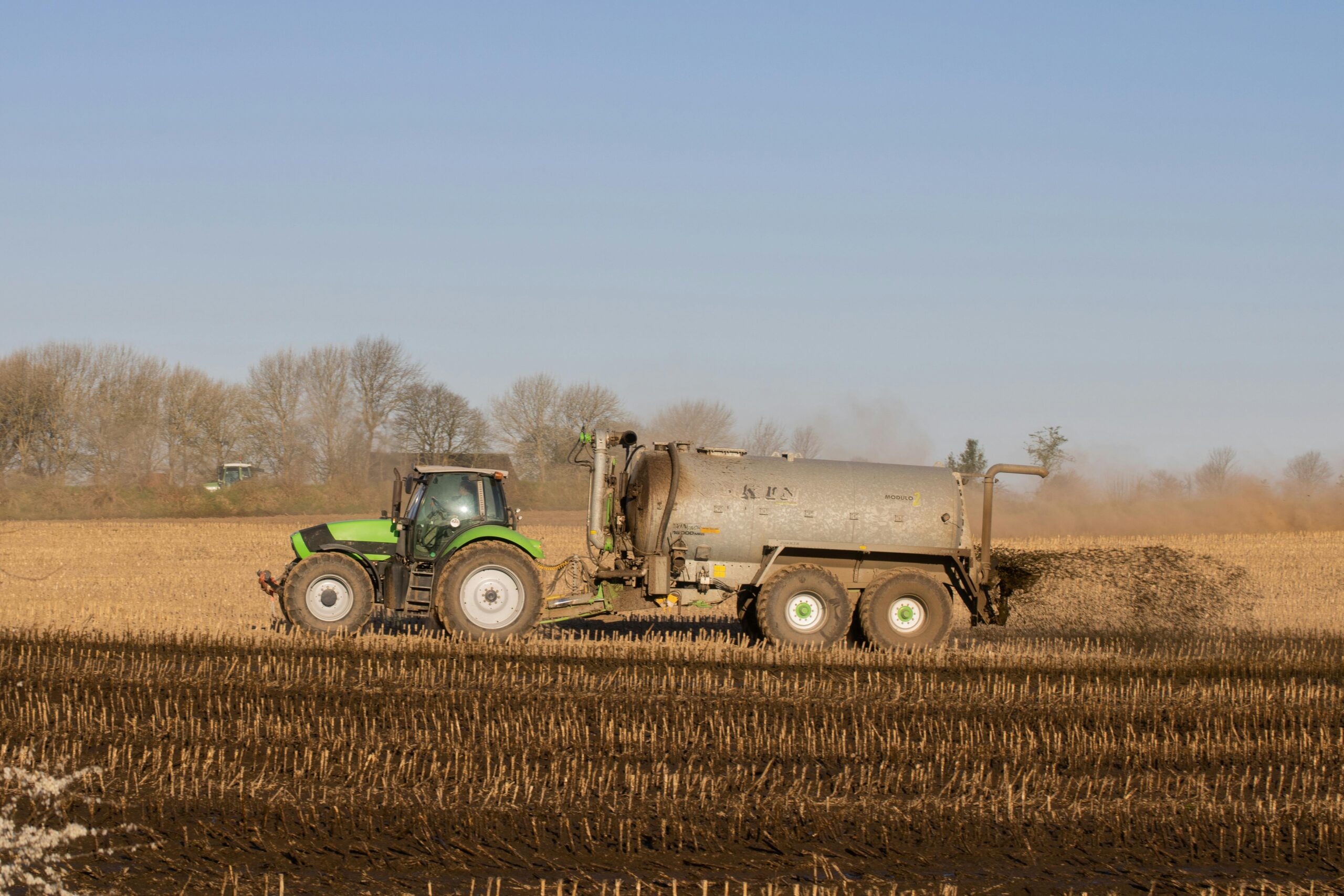
Crop-livestock integration creates closed-loop systems where animals consume crop residues and forages, returning nutrients through manure. This integration accelerates organic matter cycling and enhances nutrient availability while diversifying farm income streams.
Managed grazing of cover crops provides excellent livestock nutrition while depositing manure directly onto fields. This approach eliminates manure handling costs while distributing nutrients uniformly. Studies indicate that integrated systems achieve 20-40% better nitrogen use efficiency compared to separate crop and livestock operations.
🔬 Monitoring and Adjusting: Adaptive Nitrogen Management
Successful nitrogen management through crop rotation requires ongoing monitoring and adjustment based on observed results. Soil testing, tissue analysis, and yield monitoring provide essential feedback for refining rotation strategies.
Pre-season soil testing reveals residual nitrogen levels, allowing farmers to adjust fertilizer applications accordingly. Post-harvest testing assesses how effectively the rotation cycle managed nitrogen, identifying opportunities for improvement. This data-driven approach enables continuous refinement toward optimal performance.
Emerging Technologies Supporting Rotation Planning
Digital agriculture tools increasingly support sophisticated rotation planning and nitrogen management. Precision agriculture technologies enable variable-rate fertilizer application based on detailed field mapping, optimizing inputs across varying soil types and productivity zones.
Farmers now access smartphone applications that integrate weather data, soil information, and crop models to recommend optimal planting dates, cover crop species, and fertilizer rates. These tools democratize complex agronomic knowledge, making advanced nitrogen management accessible to operations of all sizes.
🌍 Environmental Benefits Beyond the Farm Gate
Enhanced nitrogen cycling through strategic crop rotation delivers environmental benefits extending far beyond individual farms. Reduced nitrogen losses protect water quality by minimizing nitrate contamination of groundwater and surface waters that contribute to downstream problems like Gulf of Mexico hypoxic zones.
Improved nitrogen efficiency also reduces greenhouse gas emissions. Nitrous oxide, a potent greenhouse gas approximately 300 times more powerful than carbon dioxide, forms during nitrogen fertilizer production and through soil denitrification processes. By reducing fertilizer requirements and creating more stable soil conditions, strategic rotations substantially lower agricultural greenhouse gas footprints.
These environmental benefits increasingly translate into market opportunities. Carbon credit programs, water quality initiatives, and sustainability certification systems reward farmers who adopt practices like strategic crop rotation, creating additional revenue streams while benefiting the environment.
Overcoming Implementation Challenges and Common Obstacles
Despite proven benefits, various barriers prevent widespread adoption of nitrogen-optimizing crop rotations. Understanding and addressing these challenges helps more farmers successfully implement these valuable practices.
Equipment requirements sometimes pose obstacles. Farmers specialized in particular crops may lack equipment for diversified rotations. Machinery cooperatives, custom hire services, and shared equipment arrangements offer practical solutions that enable rotation diversity without prohibitive equipment investments.
Market access and crop insurance availability also influence rotation decisions. Farmers naturally hesitate to grow crops lacking established markets or adequate risk management tools. Working with agricultural cooperatives, developing direct marketing channels, and advocating for expanded crop insurance options helps overcome these limitations.
Knowledge and Learning Curves
Successfully managing diverse rotations requires broader agronomic knowledge than monoculture systems. Farmers must understand multiple crops’ requirements, pest complexes, and management timing. Extension services, farmer networks, and mentorship programs provide valuable support for those expanding rotation diversity.
Starting gradually with simple rotations before progressing to more complex systems reduces risk and allows confidence building. Adding a single legume cover crop or incorporating one additional cash crop represents manageable first steps toward enhanced nitrogen cycling benefits.
🚀 Maximizing Results: Practical Implementation Guidelines
Successful implementation of nitrogen-optimizing crop rotations follows several key principles that maximize benefits while minimizing risks and complications.
Begin with thorough planning that considers your operation’s specific conditions: soil types, climate patterns, available equipment, market opportunities, and management capacity. Document current nitrogen application rates and yields to establish baseline performance for measuring improvement.
Start small with pilot areas where you can experiment with new rotation approaches while maintaining familiar practices on remaining acres. This risk management strategy allows learning and adjustment before committing entire operations to new systems.
Maintain detailed records tracking crop sequences, inputs, yields, and observations. Over time, this information becomes invaluable for identifying patterns, refining practices, and documenting benefits that justify continued investment in optimized rotation systems.
💪 Building Soil Health for Long-Term Nitrogen Cycling Success
Strategic crop rotation’s nitrogen benefits amplify over time as soil health improves. Enhanced organic matter levels, improved soil structure, and enriched microbial communities create increasingly efficient nitrogen cycling systems with each rotation cycle.
Soil organic matter serves as both a nitrogen reservoir and the energy source fueling beneficial soil biology. Each percentage point increase in soil organic matter represents approximately 1,000 pounds of additional organic nitrogen per acre in the top six inches of soil. While only 2-4% of this nitrogen mineralizes annually, this amounts to 20-40 pounds of plant-available nitrogen per percentage point of organic matter.
Patient, consistent implementation of rotation strategies gradually builds soil organic matter. Long-term studies show that well-managed rotations incorporating regular legume phases and cover crops can increase soil organic matter by 0.1-0.3 percentage points annually, compounding benefits over time.
Harvesting the Full Potential: Your Nitrogen Cycling Action Plan
Maximizing crop yields through enhanced nitrogen cycling represents an achievable goal for operations of all sizes and types. The strategies outlined provide a comprehensive framework for developing rotation systems tailored to your specific circumstances and objectives.
Success begins with commitment to diversification and biological farming principles. While initial transitions may present challenges, the documented benefits—improved yields, reduced costs, enhanced environmental performance, and strengthened soil health—justify the effort required.
Start by assessing your current practices and identifying opportunities for incorporating nitrogen-fixing legumes, whether as cash crops or cover crops. Gradually expand rotation diversity, monitor results carefully, and adjust approaches based on observed performance. Connect with other farmers implementing similar practices, learning from their experiences and sharing your own insights.
The agricultural landscape increasingly rewards farmers who prioritize soil health and nutrient cycling efficiency. Market trends, regulatory pressures, and environmental imperatives all point toward systems that work with natural processes rather than against them. Strategic crop rotation for enhanced nitrogen cycling positions your operation at the forefront of this agricultural evolution, delivering immediate benefits while building long-term resilience and profitability.