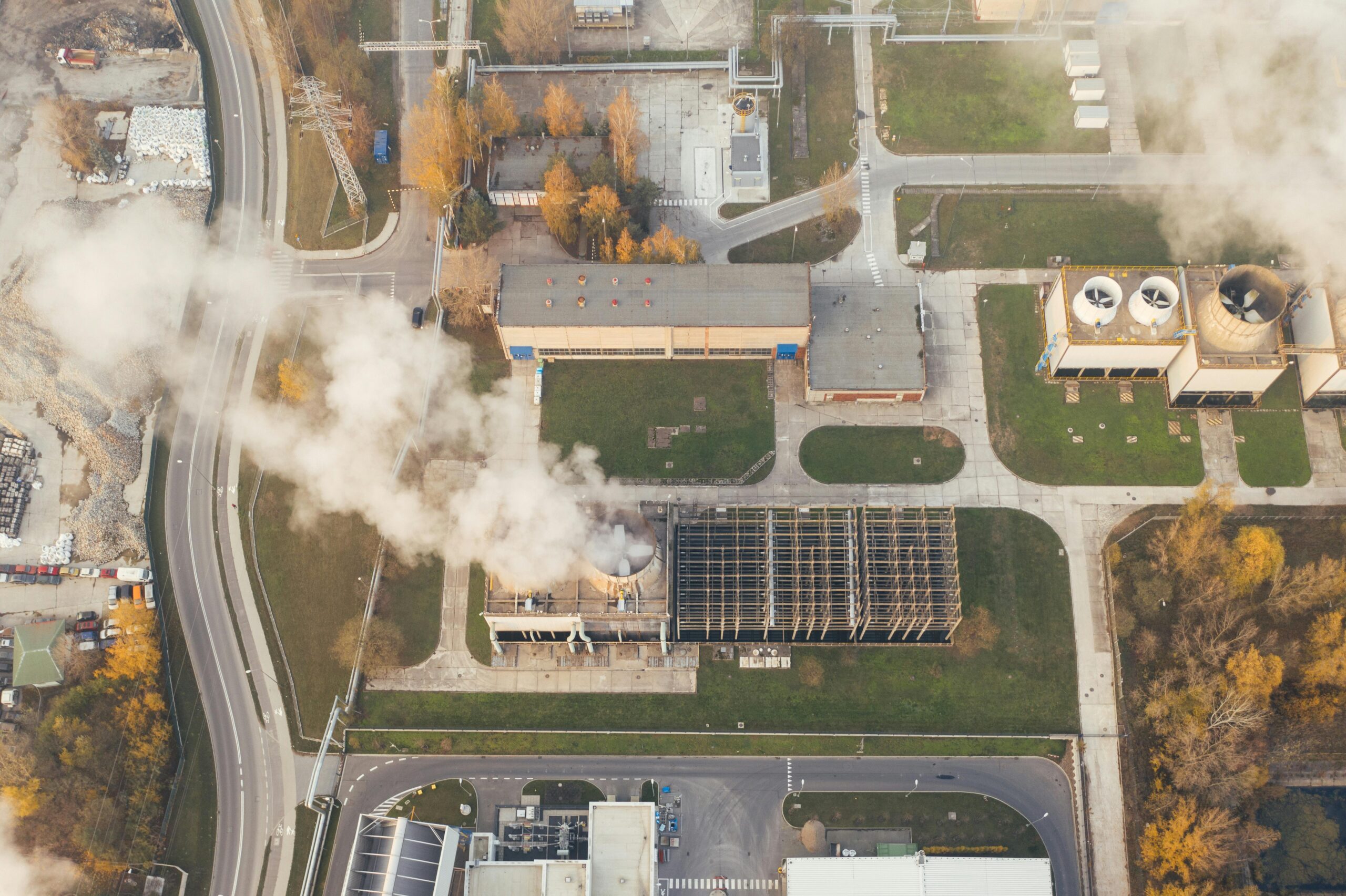
Managing the nitrogen cycle effectively is critical for sustainable aquaculture, wastewater treatment, and environmental conservation. Modern decision dashboards transform complex data into actionable insights for optimal results.

🔬 Understanding the Nitrogen Cycle in Managed Systems
The nitrogen cycle represents one of nature’s most fundamental biochemical processes, converting nitrogen between various chemical forms. In managed environments such as aquaculture facilities, wastewater treatment plants, and agricultural systems, understanding and controlling this cycle becomes paramount to operational success and environmental compliance.
Nitrogen enters systems primarily as ammonia (NH3) from fish waste, decomposing organic matter, or industrial processes. Beneficial bacteria then convert ammonia to nitrite (NO2-), and subsequently to nitrate (NO3-) through nitrification. Finally, denitrifying bacteria can convert nitrates back to atmospheric nitrogen gas, completing the cycle.
Without proper management, toxic ammonia and nitrite accumulations can devastate aquatic life, compromise water quality, and violate environmental regulations. Traditional monitoring methods often prove inadequate for real-time decision-making, creating dangerous gaps between detection and corrective action.
⚡ The Challenge of Real-Time Nitrogen Management
Modern aquaculture and water treatment facilities face unprecedented challenges in maintaining optimal nitrogen levels. Temperature fluctuations, organic loading variations, pH changes, and dissolved oxygen levels all dramatically impact bacterial populations responsible for nitrogen conversion.
Manual testing typically occurs once or twice daily, leaving operators blind to dangerous fluctuations occurring between measurements. A sudden ammonia spike at 2 AM might not be detected until the 8 AM test—potentially six hours too late to prevent livestock losses or system crashes.
Furthermore, nitrogen cycle parameters don’t exist in isolation. They interact dynamically with alkalinity, carbon-to-nitrogen ratios, temperature, and microbial populations. Understanding these relationships requires analyzing multiple data streams simultaneously—a task that quickly overwhelms human cognitive capacity.
📊 Decision Dashboards: Your Command Center for Nitrogen Control
Decision dashboards represent the convergence of sensor technology, data analytics, and user-centered design. These sophisticated platforms aggregate real-time data from multiple sources, apply advanced algorithms to identify patterns and anomalies, and present actionable information through intuitive visual interfaces.
Unlike basic monitoring systems that simply display current readings, true decision dashboards incorporate predictive analytics, automated alerts, and scenario modeling. They don’t just tell you what’s happening—they help you understand why it’s happening and what you should do about it.
Core Components of Effective Nitrogen Cycle Dashboards
The most effective nitrogen management dashboards integrate several essential components working in concert:
- Real-time sensor integration: Continuous monitoring of ammonia, nitrite, nitrate, pH, temperature, dissolved oxygen, and conductivity
- Historical data visualization: Trend analysis showing parameter evolution over hours, days, weeks, or months
- Automated alert systems: Customizable thresholds triggering notifications via email, SMS, or mobile apps
- Predictive modeling: Machine learning algorithms forecasting potential issues before they become critical
- Action recommendations: Context-aware suggestions for intervention strategies
- Performance metrics: KPIs tracking system efficiency, conversion rates, and operational costs
🎯 Implementing Your Nitrogen Management Dashboard
Successful dashboard implementation requires careful planning and systematic execution. The process involves more than simply installing sensors and software—it demands thoughtful consideration of your specific operational context, goals, and constraints.
Step 1: Assess Your Current Monitoring Capabilities
Begin by documenting your existing nitrogen monitoring practices. How frequently do you test? Which parameters do you measure? What methods do you use? Where are your blind spots? This baseline assessment reveals gaps that your dashboard must address.
Consider both spatial and temporal coverage. Are all critical zones monitored? Do you have adequate data during night hours and weekends? Understanding your current limitations helps justify investment and guides system design.
Step 2: Define Critical Parameters and Thresholds
Not all nitrogen cycle parameters carry equal importance for every operation. Recirculating aquaculture systems prioritize ammonia and nitrite monitoring, while wastewater treatment facilities may focus more heavily on total nitrogen removal efficiency.
Establish both warning and critical thresholds for each parameter. Warning levels trigger heightened monitoring and minor adjustments, while critical thresholds demand immediate intervention. These boundaries should reflect regulatory requirements, species tolerances, and operational best practices.
Step 3: Select Appropriate Sensor Technology
Modern sensor technology offers numerous options for nitrogen monitoring, each with distinct advantages and limitations:
| Sensor Type | Advantages | Considerations |
|---|---|---|
| Ion-selective electrodes | Fast response, no reagents | Requires calibration, interference issues |
| Colorimetric analyzers | High accuracy, multiple parameters | Requires reagents, higher maintenance |
| Optical sensors | No calibration, long-term stability | Higher initial cost, parameter limitations |
| Biosensors | Biological relevance, rapid detection | Emerging technology, limited availability |
Step 4: Choose Your Dashboard Platform
Dashboard software ranges from custom-built solutions to commercial off-the-shelf platforms. Consider factors including scalability, integration capabilities, user interface design, mobile accessibility, and total cost of ownership.
Cloud-based platforms offer advantages including automatic updates, remote accessibility, and reduced IT infrastructure requirements. However, operations with limited internet connectivity or strict data security requirements may prefer on-premise solutions.
🚀 Advanced Dashboard Features That Multiply Efficiency
Basic dashboards display current readings and historical trends, but advanced features transform these tools into true decision support systems that actively guide operational improvements.
Predictive Analytics and Machine Learning
Modern dashboards employ machine learning algorithms trained on historical data to predict future system behavior. These models identify patterns invisible to human observers, forecasting ammonia spikes, bacterial population shifts, or treatment efficiency declines hours or days before they manifest.
Predictive capabilities enable proactive rather than reactive management. Instead of responding to problems after they occur, operators can implement preventive measures that maintain optimal conditions continuously.
Automated Control Integration
The most sophisticated systems integrate dashboard analytics with automated control systems. When parameters deviate from optimal ranges, the system can automatically adjust aeration rates, feeding schedules, water exchange rates, or chemical dosing.
This closed-loop approach reduces response time from hours to seconds, minimizing stress on biological systems and preventing minor fluctuations from cascading into major problems. Human operators maintain oversight and can override automated responses when necessary.
Multi-Site Management Capabilities
Operations managing multiple facilities benefit enormously from dashboards that aggregate data across locations. Comparative analytics reveal which sites achieve superior performance and why, facilitating knowledge transfer and standardization of best practices.
Multi-site dashboards also enable more efficient resource allocation, allowing specialized technical personnel to monitor numerous locations simultaneously and focus attention where it’s needed most.
💡 Maximizing ROI Through Data-Driven Decision Making
The true value of decision dashboards extends far beyond basic monitoring. When leveraged strategically, these tools deliver measurable returns across multiple dimensions of operational performance.
Reduced Labor Costs
Automated continuous monitoring significantly reduces manual testing requirements. Technicians spend less time collecting samples and more time on value-added activities like system optimization, maintenance, and problem-solving.
For operations running multiple shifts, dashboards reduce or eliminate the need for dedicated night-time monitoring staff, as automated alerts notify personnel only when intervention is required.
Improved Biological Performance
Maintaining nitrogen cycle parameters within optimal ranges consistently yields measurable improvements in biological performance. Aquaculture operations report better growth rates, improved feed conversion ratios, reduced disease incidence, and lower mortality.
Wastewater treatment facilities achieve more consistent effluent quality, reducing the risk of permit violations and associated penalties. Enhanced biological efficiency often allows increased throughput without expanding physical infrastructure.
Energy and Chemical Savings
Dashboard analytics identify opportunities for resource optimization that would otherwise go unnoticed. Precision control of aeration systems—often the largest energy consumer in aquatic facilities—can reduce electricity costs by 15-30% while maintaining adequate dissolved oxygen levels.
Similarly, data-driven management of alkalinity supplementation, carbon source addition, and pH adjustment minimizes chemical consumption while ensuring these critical parameters remain optimal for nitrogen-converting bacteria.
🔧 Troubleshooting Common Nitrogen Cycle Issues with Dashboard Data
Decision dashboards excel at diagnosing the root causes of nitrogen cycle disruptions, which often result from complex interactions between multiple factors. Understanding common patterns helps operators respond quickly and effectively.
Incomplete Nitrification
When ammonia converts to nitrite but nitrite fails to convert efficiently to nitrate, dashboard data typically reveals one of several underlying causes. Temperature below optimal ranges slows Nitrobacter activity more severely than Nitrosomonas, creating nitrite accumulation.
Dissolved oxygen deficiency similarly affects Nitrobacter disproportionately, as these bacteria require higher oxygen concentrations. Dashboard correlation analysis highlighting the relationship between DO levels and nitrite spikes quickly identifies this issue.
pH Depression and Alkalinity Depletion
Nitrification consumes alkalinity and produces acid, gradually depressing pH if not properly managed. Dashboards tracking pH trends alongside ammonia conversion rates reveal when alkalinity supplementation requires adjustment.
Proactive alkalinity management prevents pH crashes that can devastate nitrifying bacterial populations, requiring weeks to recover. Dashboard alerts based on alkalinity consumption rates enable preventive intervention.
New Tank Syndrome and System Startups
Establishing robust nitrifying bacterial populations in new systems requires careful management of organic loading, water chemistry, and time. Dashboards monitoring ammonia, nitrite, and nitrate patterns throughout the cycling process guide operators in determining when systems can safely support full biological loads.
Historical data from previous startups provides benchmarks for expected progression, helping identify when current cycling deviates from normal patterns and requires intervention.
🌐 Integration with Broader Farm and Facility Management Systems
Nitrogen cycle management doesn’t occur in isolation. The most valuable dashboards integrate seamlessly with other operational systems, creating unified platforms for comprehensive facility management.
Feed management systems share data on feeding rates and schedules, allowing nitrogen dashboards to anticipate ammonia loading and adjust monitoring sensitivity accordingly. Inventory management integration tracks chemical usage patterns, automating reorder triggers and preventing supply shortages.
Financial systems receive operational data enabling accurate cost accounting by production batch, facility section, or time period. This integration supports sophisticated analyses of production efficiency and profitability at granular levels.
📱 Mobile Access: Management from Anywhere
Modern aquaculture and water treatment operations don’t observe traditional office hours, and problems don’t wait for convenient moments. Mobile-optimized dashboards extend monitoring and control capabilities beyond the facility, empowering operators to respond effectively regardless of location.
Smartphone and tablet interfaces provide essential functionality including real-time parameter viewing, historical trend analysis, alert acknowledgment, and annotation of events or interventions. Push notifications ensure critical alerts reach responsible personnel immediately, even outside normal working hours.
Mobile access proves particularly valuable for consultants and technical specialists supporting multiple facilities, enabling expert guidance without the time and expense of on-site visits for every issue.
🎓 Training and Adoption: Building a Data-Driven Culture
Technology alone doesn’t guarantee success—organizational culture and staff capabilities ultimately determine whether dashboard investments deliver their potential value. Effective implementation requires deliberate attention to training, change management, and continuous improvement.
Begin with comprehensive training covering not just dashboard operation but the underlying nitrogen cycle biology and chemistry. Staff who understand why parameters matter and how they interact make better decisions than those who simply respond to alerts without deeper comprehension.
Establish clear protocols defining response procedures for various alerts and scenarios. Document these standard operating procedures within the dashboard system itself, ensuring guidance is immediately accessible when needed.
Foster a culture of continuous learning by regularly reviewing historical data during team meetings. Discuss successes and challenges, identifying patterns and refining management strategies based on accumulated experience.
🔮 Future Trends in Nitrogen Cycle Management Technology
The field of nitrogen cycle management continues evolving rapidly, with emerging technologies promising even greater efficiency and capabilities. Forward-thinking operations should monitor these developments to maintain competitive advantages.
Artificial intelligence and deep learning algorithms will increasingly provide more sophisticated predictive analytics and autonomous control. These systems will recognize subtle patterns preceding major events, enabling ever more proactive management.
Sensor technology continues advancing toward lower costs, greater accuracy, reduced maintenance requirements, and expanded parameter coverage. Miniaturization enables deployment in previously impractical locations, providing unprecedented spatial resolution of system conditions.
Blockchain and distributed ledger technologies may transform how environmental compliance and product traceability are documented, with dashboard data automatically creating immutable records for regulatory reporting and supply chain verification.

🏆 Achieving Excellence Through Continuous Optimization
Implementing a nitrogen cycle management dashboard marks the beginning, not the conclusion, of your optimization journey. The most successful operations treat their dashboards as living systems requiring ongoing refinement and enhancement.
Regularly review alert thresholds and adjust them based on accumulated experience. What initially seemed like appropriate warning levels may prove too sensitive or too lenient as you develop deeper understanding of your specific system’s behavior patterns.
Expand your dashboard’s analytical capabilities incrementally as you identify new questions worth answering. Add custom reports tracking specific KPIs relevant to your operation. Integrate additional data sources that provide valuable context for nitrogen cycle management decisions.
Benchmark your performance against industry standards and top performers, identifying opportunities for further improvement. Share your successes and lessons learned with the broader community, contributing to collective advancement of best practices.
The journey toward optimal nitrogen cycle management is continuous, but with sophisticated decision dashboards guiding your efforts, you’ll navigate this path with confidence, efficiency, and measurable success. Your investment in these powerful tools pays dividends through reduced costs, improved biological performance, enhanced environmental stewardship, and the peace of mind that comes from truly understanding and controlling your most critical water quality parameters. The future of sustainable aquaculture and water treatment depends on precisely this kind of data-driven, scientifically-grounded operational excellence.