Nitrogen is the invisible architect of life on Earth, cycling through soil, plants, atmosphere, and organisms in an intricate dance that sustains all agricultural systems.

In the context of modern farming challenges—soil degradation, water pollution, climate change, and declining yields—understanding and harnessing the nitrogen cycle has become more critical than ever. Regenerative agriculture offers a promising pathway forward, treating nitrogen not as a commodity to be added externally, but as a dynamic element to be cultivated, conserved, and cycled within farm ecosystems.
This comprehensive exploration will reveal how mapping and optimizing nitrogen flows can transform agricultural systems from extractive to regenerative, building soil health, reducing environmental impact, and creating truly sustainable food production.
🌱 The Nitrogen Paradox in Modern Agriculture
Nitrogen represents one of agriculture’s greatest paradoxes. While it comprises 78% of our atmosphere, plants cannot access it in its gaseous form. This limitation has shaped farming practices for millennia, from ancient crop rotations to the development of synthetic fertilizers that revolutionized 20th-century food production.
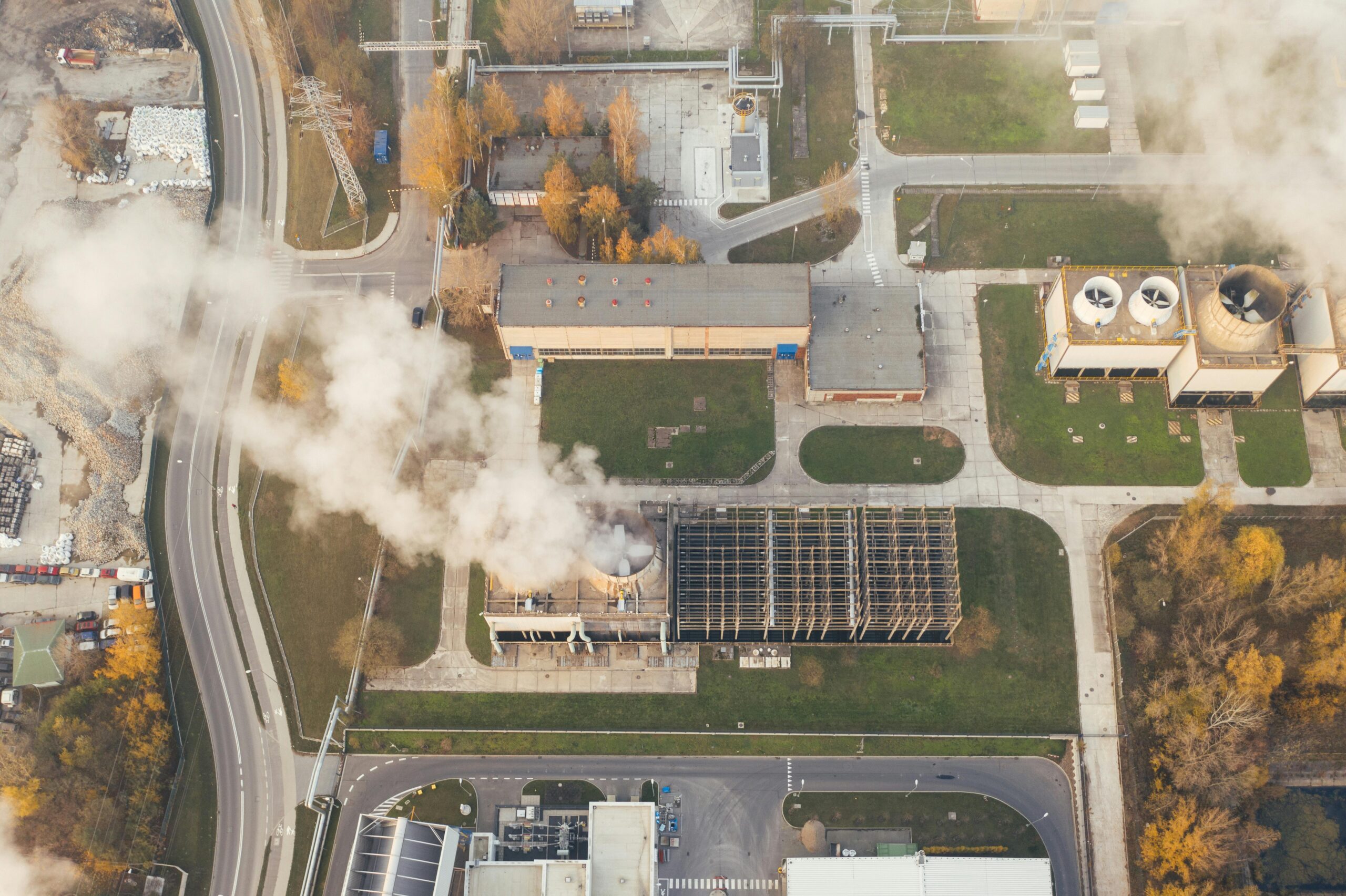
Today’s conventional agriculture relies heavily on synthetic nitrogen fertilizers, with global consumption exceeding 110 million tonnes annually. Yet efficiency rates remain stubbornly low—typically only 30-50% of applied nitrogen is actually used by crops. The remainder leaches into waterways, volatilizes into the atmosphere as nitrous oxide (a greenhouse gas 300 times more potent than CO2), or accumulates in soil in forms that can cause long-term ecological damage.
This inefficiency carries enormous costs: financial burdens for farmers, dead zones in coastal waters, greenhouse gas emissions, and degraded soil biology. The nitrogen paradox crystallizes a fundamental challenge—we have abundance where we cannot use it and scarcity where we need it most.
Decoding the Natural Nitrogen Cycle 🔄
Nature has perfected nitrogen management over billions of years through an elegant biogeochemical cycle. Understanding this natural blueprint provides the foundation for regenerative approaches.
The nitrogen cycle involves several key transformations:
- Nitrogen fixation: Specialized bacteria convert atmospheric nitrogen (N2) into ammonia (NH3), making it available to plants. This occurs through symbiotic relationships with legumes and through free-living soil microorganisms.
- Mineralization: Organic nitrogen in plant residues, manures, and dead organisms is broken down by soil microbes into plant-available inorganic forms.
- Nitrification: Ammonia is converted by bacteria into nitrite (NO2-) and then nitrate (NO3-), the primary form absorbed by most plants.
- Immobilization: Soil microorganisms incorporate inorganic nitrogen into their biomass, temporarily removing it from plant availability.
- Denitrification: Under anaerobic conditions, bacteria convert nitrate back to atmospheric nitrogen gases, completing the cycle.
In healthy ecosystems, these processes exist in dynamic equilibrium, with nitrogen cycling efficiently between soil, plants, microorganisms, and atmosphere with minimal losses. Regenerative agriculture seeks to restore and optimize these natural cycles within managed agricultural systems.
Mapping Nitrogen Flows in Regenerative Systems 🗺️
Effective nitrogen management in regenerative agriculture begins with understanding where nitrogen enters, how it moves through, and where it exits your specific farming system. This nitrogen budget approach allows farmers to identify losses, optimize inputs, and build soil nitrogen reserves.
Key nitrogen inputs in regenerative systems include:
- Biological nitrogen fixation through legume cover crops and forage species
- Organic amendments such as compost, manure, and green manures
- Atmospheric deposition from rainfall and dust
- Reduced synthetic fertilizer applications (transition phase)
Nitrogen pathways through the system involve:
- Plant uptake and crop harvest removal
- Soil organic matter accumulation and release
- Microbial immobilization and mineralization
- Livestock integration and manure cycling
Potential nitrogen losses occur through:
- Leaching of nitrates into groundwater during heavy rainfall
- Volatilization of ammonia from exposed manures and urea
- Denitrification producing nitrous oxide under waterlogged conditions
- Erosion carrying away nitrogen-rich topsoil
By quantifying these flows, farmers can identify which practices most effectively capture, cycle, and conserve nitrogen within their systems, reducing reliance on external inputs while maintaining or improving productivity.
The Living Soil: Microbial Partnerships That Fix Nitrogen 🦠
The biological fixation of atmospheric nitrogen represents the cornerstone of regenerative nitrogen management. This process depends entirely on symbiotic relationships between plants and specialized bacteria—primarily rhizobia with legumes, but also actinobacteria with certain trees and shrubs.
Leguminous cover crops and forages can fix substantial quantities of nitrogen—typically ranging from 50 to 300 pounds per acre annually, depending on species, growing conditions, and management. Red clover, hairy vetch, crimson clover, and various medics excel in temperate climates, while cowpeas, sunn hemp, and lablab perform well in warmer regions.
The efficiency of biological nitrogen fixation depends on several critical factors:
- Soil pH levels between 6.0 and 7.5 optimize rhizobial activity
- Adequate phosphorus, potassium, sulfur, and micronutrients support both plant and bacterial metabolism
- Proper inoculation ensures the presence of effective rhizobial strains
- Soil moisture and temperature within optimal ranges for species
- Minimal soil disturbance preserves fungal networks that transport nutrients to bacteria
Beyond legumes, free-living nitrogen-fixing bacteria in healthy soils can contribute additional nitrogen. Species like Azotobacter, Azospirillum, and cyanobacteria (in rice systems) fix atmospheric nitrogen without plant partnerships, though typically in smaller quantities than rhizobial symbioses.
Cover Cropping Strategies for Nitrogen Management 🌾
Strategic cover cropping represents perhaps the most powerful tool for managing nitrogen in regenerative systems. Well-designed cover crop mixtures can simultaneously fix nitrogen, scavenge residual nutrients, suppress weeds, improve soil structure, and feed soil biology.
Effective nitrogen-focused cover crop strategies include:
Legume-rich mixtures for nitrogen building typically combine multiple legume species with small amounts of grasses or brassicas. A classic mixture might include hairy vetch, crimson clover, and a small percentage of cereal rye. The diverse legumes provide insurance against variable conditions while the grass component adds carbon for improved soil structure.
Nitrogen scavenging cocktails planted after cash crops capture residual nitrogen that would otherwise leach during fallow periods. Deep-rooted species like radishes and turnips excel at mining nitrogen from deeper soil layers, bringing it back to the surface where it becomes available to subsequent crops.
Living mulches and companion crops grown alongside cash crops can fix nitrogen during the growing season. Low-growing clovers planted into corn or other widely-spaced crops provide continuous nitrogen fixation, weed suppression, and soil protection.
Timing the termination of cover crops significantly impacts nitrogen availability. Terminating legume cover crops at early flowering typically maximizes the nitrogen benefit to following crops, providing a flush of plant-available nitrogen as microbes decompose the residues. Later termination provides more total biomass and soil protection but may temporarily tie up nitrogen during decomposition.
Building Soil Organic Matter: The Nitrogen Bank Account 💰
Soil organic matter functions as nature’s nitrogen bank account—slowly accumulating reserves during good times and releasing them when crops need nutrition. Each percentage point of soil organic matter contains approximately 1,000 pounds of nitrogen per acre, though only a small fraction mineralizes and becomes plant-available annually.
In regenerative systems, building soil organic matter creates multiple benefits beyond nitrogen storage. Improved water infiltration and retention, enhanced soil structure, increased cation exchange capacity, and more diverse soil biology all contribute to system resilience and productivity.
Strategies for accelerating organic matter accumulation include:
- Maintaining living roots in soil year-round through cover crops and perennials
- Minimizing tillage to reduce oxidation of existing organic matter
- Applying compost and other organic amendments regularly
- Optimizing the carbon-to-nitrogen ratio of crop residues through diverse rotations
- Integrating livestock grazing to stimulate plant growth and incorporate manure
The relationship between carbon and nitrogen cycles is fundamental to understanding organic matter dynamics. Soil microbes require both energy (carbon) and protein building blocks (nitrogen) in specific ratios. Materials with high carbon-to-nitrogen ratios (like straw or wood chips) cause temporary nitrogen immobilization as microbes consume available nitrogen while decomposing carbon-rich materials. Conversely, low C:N materials (like fresh legume residues) release nitrogen quickly.
Integrating Animals: Nitrogen Cycling Through Livestock 🐄
Livestock integration adds another dimension to nitrogen management in regenerative systems. Animals convert plant proteins into concentrated manure, redistribute nutrients across landscapes, and stimulate plant growth through grazing, creating dynamic nitrogen cycling opportunities.
Well-managed grazing systems can significantly enhance nitrogen cycling efficiency. When animals consume forage, they return approximately 70-90% of the nitrogen in their manure and urine, often in more plant-available forms than the original plant material. Strategic grazing management ensures this nutrient-rich waste is distributed where it benefits the system most.
Adaptive multi-paddock grazing, also called rotational or mob grazing, optimizes nutrient distribution and minimizes losses. Short grazing periods followed by extended recovery allow plants to regrow vigorously, soil biology to process manure nutrients, and nitrogen to incorporate into soil organic matter rather than volatilizing or leaching.
Different livestock species offer unique nitrogen management benefits. Ruminants like cattle and sheep can digest high-fiber forages including mature grasses and legumes, effectively converting lower-quality vegetation into valuable nutrients. Poultry, particularly chickens, produce nitrogen-rich manure excellent for building fertility in annual cropping systems. Pigs can be strategically used to incorporate cover crop residues while adding nutrients.
Precision Management: When and How to Apply Nitrogen ⚡
Even in regenerative systems emphasizing biological nitrogen sources, understanding precision nutrient management improves efficiency and outcomes. The key principle is synchronizing nitrogen availability with crop demand, minimizing the window when nitrogen sits vulnerable to losses.
Soil testing provides valuable baseline information, but dynamic, in-season assessment tools offer even greater precision. Plant tissue testing, chlorophyll meters, and emerging technologies like drone-based multispectral imaging allow farmers to assess nitrogen status in real-time and respond with targeted interventions.
Timing considerations for nitrogen management include:
- Avoid applying nitrogen to frozen or saturated soils where runoff and leaching risks are highest
- Split applications into smaller doses matched to crop uptake patterns rather than large single applications
- Time cover crop termination to provide nitrogen flushes when cash crops enter rapid growth phases
- Consider slow-release organic amendments for sustained nitrogen availability throughout the growing season
Understanding crop nitrogen demand curves helps optimize timing. Most annual crops follow an S-curve pattern with minimal uptake during establishment, rapid uptake during vegetative growth, and declining demand during reproduction and maturity. Matching nitrogen availability to this pattern maximizes efficiency.
Measuring Success: Indicators of Healthy Nitrogen Cycling 📊
Effective nitrogen management requires measurement and monitoring. While perfect quantification remains challenging, several practical indicators help farmers assess whether their regenerative practices are successfully optimizing nitrogen cycling.
| Indicator | What It Reveals | Measurement Method |
|---|---|---|
| Soil Organic Matter | Long-term nitrogen storage capacity | Laboratory soil testing (annually) |
| Total Soil Nitrogen | Overall nitrogen reserves | Laboratory analysis |
| Nitrate Levels | Plant-available nitrogen status | Soil or tissue testing (in-season) |
| Microbial Biomass | Biological nitrogen cycling capacity | Specialized soil health tests |
| Cover Crop Biomass | Nitrogen fixation and scavenging success | Field sampling and weighing |
| Crop Tissue Nitrogen | Real-time crop nitrogen status | Laboratory plant tissue analysis |
Beyond laboratory measurements, observational indicators provide valuable insights. Vigorous crop growth with deep green coloration suggests adequate nitrogen. Conversely, pale yellowing (chlorosis) in older leaves indicates nitrogen deficiency. Excessive vegetative growth, delayed maturity, and increased pest pressure may signal nitrogen excess.
Monitoring nitrogen losses is equally important. Elevated nitrate levels in tile drainage or groundwater indicate leaching problems. Ammonia odors from manure storage or application suggest volatilization losses. Tracking these indicators over time reveals whether management changes are moving systems toward greater nitrogen conservation.
Overcoming Transition Challenges 🌉
Transitioning from conventional, synthetic nitrogen-dependent systems to regenerative approaches centered on biological cycling presents real challenges. Understanding and planning for these difficulties increases the likelihood of successful transformation.
The “nitrogen hunger” period during early transition represents perhaps the most significant challenge. As farmers reduce synthetic inputs and soil biology rebuilds, temporary nitrogen deficiencies may occur before biological processes fully compensate. Strategic planning can minimize this transition dip—maintaining modest synthetic applications while building biological capacity, choosing less nitrogen-demanding crops during early transition years, and incorporating high-quality compost to bridge the gap.
Cash flow considerations also merit attention. Cover crops, compost, and other regenerative practices require upfront investment before economic returns materialize. Phasing transitions across the farm—starting with fields, demonstrating benefits, then expanding—can manage financial risk while building knowledge and confidence.
Knowledge gaps often limit adoption of regenerative nitrogen management. Unlike the simplicity of following fertilizer recommendations, biological approaches require understanding complex interactions between plants, microbes, animals, and environment. Farmer-to-farmer learning networks, workshops, and on-farm experimentation accelerate the learning process.
Climate Resilience Through Nitrogen Optimization 🌍
Optimizing nitrogen cycling in regenerative systems delivers profound climate benefits, addressing both mitigation and adaptation challenges facing agriculture globally.
On the mitigation side, reducing synthetic nitrogen fertilizer dramatically cuts greenhouse gas emissions. Manufacturing nitrogen fertilizer is enormously energy-intensive, and the production process alone contributes approximately 1-2% of global CO2 emissions. Additionally, inefficient nitrogen use results in substantial nitrous oxide emissions from agricultural soils—nitrous oxide being that greenhouse gas 300 times more potent than carbon dioxide.
Regenerative nitrogen management reduces these emissions through multiple pathways. Biological fixation requires no fossil fuel inputs. Improved nitrogen efficiency minimizes excess nitrogen available for conversion to nitrous oxide. Building soil organic matter sequesters carbon from the atmosphere, offsetting remaining emissions.
For adaptation, nitrogen-smart regenerative systems create more resilient farms. Soil organic matter built through biological nitrogen management dramatically improves water infiltration and retention, helping crops withstand both droughts and flooding events. Diverse nitrogen sources—biological fixation, mineralization, organic amendments—provide multiple pathways for meeting crop needs even when one source fails.
The Economic Case for Regenerative Nitrogen Management 💵
While environmental and resilience benefits drive many farmers toward regenerative practices, economic viability ultimately determines widespread adoption. Fortunately, optimized biological nitrogen cycling often improves farm profitability, though the financial picture varies by system and market access.
Cost savings from reduced synthetic fertilizer purchases provide the most direct economic benefit. At recent fertilizer prices, replacing 100 pounds of synthetic nitrogen per acre with biological fixation saves $60-80 directly. Across a thousand-acre farm, this represents $60,000-80,000 annually—substantial savings that improve bottom lines immediately.
Beyond input cost reductions, regenerative nitrogen management often boosts yields over time as soil health improves. Research increasingly documents yield increases of 10-30% as farms transition to regenerative practices and biological processes mature. Higher yields amplify economic benefits significantly.
Premium market access provides additional economic opportunity. Growing consumer demand for regeneratively produced food creates price premiums that further reward farmers who optimize biological nitrogen cycling. Certifications like Regenerative Organic Certification specifically assess nitrogen management practices, connecting conscientious farmers with values-aligned markets.
Scaling Solutions: From Farm to Food System 🚜
Individual farm success with regenerative nitrogen management, while essential, addresses only part of the challenge. Scaling these approaches across landscapes and entire agricultural sectors requires supportive policy, infrastructure development, and collaborative action.
Agricultural policy currently favors conventional, input-intensive approaches through crop insurance structures, commodity subsidies, and conservation programs designed around synthetic inputs. Reforming these policies to reward biological nitrogen management, soil health improvement, and reduced environmental impact would accelerate transition dramatically.
Infrastructure needs include expanding access to cover crop seed, compost and organic amendment sources, soil testing laboratories equipped to assess biological function, and equipment suitable for no-till and reduced-till planting into cover crop residues. Supply chain development requires coordinated investment from public and private sectors.
Knowledge infrastructure is equally critical. Extension services, agricultural universities, and private consultants need capacity to support farmers implementing regenerative nitrogen management. Farmer-led research networks that investigate practices under diverse local conditions accelerate learning and build confidence in biological approaches.
Collaboration among farmers, researchers, policymakers, and supply chain actors creates the systemic change necessary for widespread transformation. Regional watersheds provide natural scales for coordination—farmers working together to reduce nitrogen leaching improve water quality outcomes more effectively than isolated individual efforts.
Your Nitrogen Journey Starts Now 🌟
Understanding nitrogen cycling in regenerative systems opens pathways toward more productive, profitable, and environmentally sound agriculture. Whether you manage thousands of acres or a market garden, opportunities exist to harness biological nitrogen processes more effectively.
Starting small often yields the best results. Plant a cover crop mixture on one field, observe how it performs, measure the impacts, and learn from the experience. Try reducing synthetic nitrogen on a test strip while building biological capacity. Bring animals onto the farm even in a small way to explore nutrient cycling benefits.
Connect with other farmers already succeeding with regenerative nitrogen management. Their hard-won knowledge, adapted to local conditions similar to yours, provides invaluable guidance. Regional grazing networks, cover crop collaboratives, and regenerative agriculture associations offer supportive communities for the journey.
The nitrogen cycle, properly understood and managed, transforms from an abstract chemical process into a powerful tool for building farm resilience, profitability, and sustainability. Each rotation of this ancient cycle—from atmosphere to soil to plant to animal and back again—represents an opportunity to capture abundance, reduce waste, and nurture the biological foundation of agricultural systems.
As global challenges intensify—climate disruption, soil degradation, water scarcity, and the need to feed growing populations—nitrogen management in regenerative systems offers practical solutions grounded in ecological principles. The power of nitrogen, unlocked through biological processes perfected over evolutionary time, awaits farmers ready to work with nature rather than against it.