

Anúncios
Identify Real Jewelry, Authenticating jewelry has never been easier,


thanks to innovative mobile applications designed to verify precious metals and gemstones instantly using your smartphone.
Anúncios
Whether you’re shopping at estate sales, inheriting family heirlooms, or simply curious about that antique ring collecting dust in your drawer, knowing what’s real and what’s not matters.
The jewelry market is flooded with convincing fakes, and traditional authentication methods often require expensive professional appraisals or specialized equipment that most people don’t have access to.
Anúncios
Modern technology has bridged this gap remarkably well. Today’s jewelry identification apps leverage artificial intelligence, image recognition, and extensive databases to provide immediate assessments of jewelry pieces.
These tools have become essential companions for collectors, buyers, sellers, and anyone interested in understanding the true value of their precious items.
🔍 How Jewelry Authentication Apps Actually Work
The technology behind these applications combines several sophisticated systems working together.
At the core, computer vision algorithms analyze photographs of jewelry items, examining countless visual markers that distinguish authentic pieces from imitations.
When you snap a photo of a ring, necklace, or bracelet, the app’s AI examines features like color consistency, reflectivity patterns, surface characteristics, and structural details.
For gemstones specifically, the software evaluates clarity, cut quality, color saturation, and light refraction patterns that are nearly impossible to replicate perfectly in synthetic or fake stones.
Advanced apps also incorporate metal analysis capabilities. While they can’t perform chemical tests through your phone screen, they can identify visual hallmarks, stamp markings, wear patterns, and oxidation characteristics typical of specific metals like gold, silver, platinum, or various alloys.
The database component is equally important. Leading jewelry identification applications maintain extensive libraries containing millions of reference images of authentic jewelry pieces, gemstones, and precious metals.
Your submitted photo gets compared against these references using pattern-matching technology that identifies similarities and anomalies.

📸 Image Recognition Technology Explained
The success of these apps depends heavily on image quality and capture technique. Machine learning models have been trained on thousands of authenticated jewelry samples, learning to recognize subtle differences that separate real from fake.
For diamonds specifically, apps analyze the fire and brilliance — how light disperses through the stone. Genuine diamonds exhibit specific light behavior that cubic zirconia, moissanite, and glass simply cannot replicate perfectly. The app measures these optical properties through your camera lens.
Similarly, for colored gemstones like emeralds, rubies, and sapphires, the software examines inclusion patterns (internal flaws and characteristics). Natural stones have distinctive inclusions that synthetic versions lack or display differently. These microscopic fingerprints become crucial identification markers.
💎 Key Features to Look for in a Jewelry Identification App
Not all jewelry authentication apps offer the same capabilities. When choosing the right tool, several features distinguish exceptional applications from basic ones.
Comprehensive Material Database
The best apps maintain regularly updated databases covering diverse materials including gold (in various karats), sterling silver, platinum, palladium, titanium, stainless steel, and common jewelry alloys. For gemstones, look for coverage of both precious stones (diamonds, rubies, sapphires, emeralds) and semi-precious varieties (amethyst, topaz, garnet, opal, turquoise, and dozens more).
Real-Time Analysis Speed
Quality apps deliver results within seconds, not minutes. The processing speed reflects the sophistication of the underlying algorithms and server infrastructure. Instant feedback allows you to evaluate multiple pieces quickly when shopping or sorting through collections.
Hallmark and Stamp Recognition
Jewelry often contains tiny stamps indicating metal purity (like “925” for sterling silver or “14K” for gold) and maker’s marks. Advanced apps include optical character recognition specifically tuned to read these miniature engravings, even when worn or partially obscured.
Historical and Market Value Estimates
Beyond simple authentication, premium applications provide context about a piece’s probable age, origin, style period, and approximate market value. This information proves invaluable for insurance purposes, estate planning, or resale decisions.
Educational Resources and Guidance
The learning component matters tremendously. Quality apps don’t just give you a verdict — they explain why they reached that conclusion, teaching you to recognize authenticity markers yourself over time. This educational approach builds your own expertise gradually.
🛍️ Practical Scenarios Where These Apps Prove Essential
Jewelry authentication apps serve numerous real-world situations where quick, accessible verification makes a significant difference.
Shopping at Flea Markets and Estate Sales
These venues offer treasure-hunting opportunities but also carry substantial risk. Sellers often don’t know (or won’t disclose) whether their items are genuine. Before committing to a purchase, discreetly photograph the piece and run it through your app. The instant analysis helps you negotiate confidently or walk away from overpriced fakes.
Evaluating Inherited Jewelry
Family heirlooms carry sentimental value, but understanding their material worth matters for insurance, equitable distribution among heirs, or potential sale. Apps provide preliminary assessments that inform whether professional appraisal is warranted for particularly valuable pieces.
Online Marketplace Verification
When buying jewelry through platforms like eBay, Etsy, or Facebook Marketplace, photos are your only evaluation tool before purchase. Running seller-provided images through authentication software adds a crucial verification layer, helping you spot suspicious listings before risking your money.
Travel Purchases Abroad
Tourist destinations worldwide sell jewelry claiming to feature local gemstones or traditional metalwork. These apps help you determine whether that “sapphire” from Southeast Asia or “turquoise” bracelet from the Southwest contains genuine materials worth the asking price.
⚖️ Understanding the Limitations and Best Practices
While jewelry identification apps represent remarkable technology, they’re tools with specific boundaries that users must understand.
They Supplement, Not Replace, Professional Appraisal
For high-value items or legal purposes (insurance claims, estate settlements, authentication certificates), professional gemologist evaluation remains necessary. Apps provide excellent preliminary screening but cannot match the precision of specialized laboratory equipment and trained expert examination.
Photo Quality Makes or Breaks Accuracy
These applications depend entirely on clear, well-lit images. Blurry photos, poor lighting, or incorrect angles severely compromise results. Taking multiple shots from different perspectives in natural daylight yields the most reliable assessments.
Best photography practices include:
- Clean the jewelry piece thoroughly before photographing to remove oils, dust, and residue
- Use natural indirect sunlight rather than artificial lighting when possible
- Capture the item against a plain, contrasting background (white or black works best)
- Photograph any stamps, hallmarks, or engravings with close-up shots
- Include size reference (like placing a coin nearby) for scale context
- Take multiple angles: top view, side profile, back view, and detail shots
Treatment and Enhancement Detection
Many gemstones undergo legitimate treatments (heat treatment, irradiation, fracture filling) that don’t necessarily make them “fake” but do affect value. Apps vary in their ability to detect and report these enhancements. Understanding this distinction prevents misinterpreting results.
🔬 The Science Behind Gemstone Authentication
Different precious and semi-precious stones require distinct identification approaches, each with unique challenges and markers.
Diamond Verification Challenges
Diamonds face the most sophisticated counterfeits, including lab-grown diamonds (which are chemically identical to natural ones) and high-quality simulants like moissanite. Apps analyze the refractive index through light behavior, brilliance patterns, and fire dispersion visible even in photos.
Natural diamonds display specific light return patterns that apps recognize. However, distinguishing between natural and lab-grown diamonds through photography alone remains extremely difficult — both are real diamonds with identical optical properties. For this determination, specialized spectroscopy equipment is required.
Colored Stone Identification
Rubies, sapphires, emeralds, and other colored gems each have characteristic inclusion patterns, color zoning, and crystal structures. Apps trained on these patterns can identify not just whether a stone is genuine but often its probable geographic origin based on distinctive features.
For example, Burmese rubies display different inclusion patterns than Thai rubies. Colombian emeralds have signature characteristics distinguishing them from Brazilian or Zambian stones. This level of detail provides valuable context beyond simple authentication.
Pearl Analysis
Pearl authentication presents unique challenges since natural pearls, cultured pearls, and imitation pearls all exist in the market. Apps examine surface texture, luster quality, and orient (the iridescent quality). Genuine pearls show irregular surfaces under magnification while imitations typically appear too uniform.
💰 Understanding Value Assessment Features
Many jewelry identification apps go beyond authentication to provide market value estimates, though users should understand how these figures are generated.
How Apps Calculate Estimated Value
Value assessment combines several data points: material composition (metal type and purity), gemstone identity and quality, current precious metal market prices, comparable recent sales data, and condition assessment based on visible wear.
The app might determine your ring contains a 0.75-carat natural sapphire in 14K white gold, then reference current gold prices, recent sapphire sales of similar quality, and the piece’s apparent condition to generate an estimated range.
Market Value vs. Replacement Value vs. Resale Value
Understanding these distinctions prevents confusion:
| Value Type | Definition | Typical Use |
|---|---|---|
| Market Value | What similar items currently sell for in the open market | Estate planning, fair division of assets |
| Replacement Value | Cost to purchase an equivalent new item from a retailer | Insurance coverage determinations |
| Resale Value | What you could realistically get if selling quickly | Liquidation planning, immediate sale scenarios |
Apps typically estimate market value, which falls between replacement cost (highest) and resale value (lowest). The markup structure in jewelry retail means replacement values often run 2-3 times higher than resale values.
🌟 Additional Features That Enhance User Experience
Beyond core identification capabilities, several supplementary features distinguish exceptional jewelry apps from basic ones.
Collection Management and Cataloging
Premium apps allow you to build a digital inventory of your jewelry collection, storing photos, authentication results, appraisal documents, and purchase information in one organized location. This feature proves invaluable for insurance documentation and estate planning.
Authentication History and Learning Progress
Some applications track your identification history, showing how your recognition skills improve over time. This gamification element makes learning about jewelry engaging while building practical expertise.
Community Features and Expert Access
Certain platforms include community forums where users share finds, ask questions, and learn from experienced collectors. Some offer direct access to professional gemologists for consultation on particularly challenging or valuable pieces.
Augmented Reality Visualization
Cutting-edge apps incorporate AR technology allowing you to virtually “try on” jewelry pieces or visualize how they’d look in different settings. While not directly related to authentication, this feature enhances the overall jewelry exploration experience.
🛡️ Privacy and Security Considerations
When using apps that photograph and analyze valuable personal property, privacy protections matter significantly.
Reputable applications clearly state their data handling practices. Your jewelry photos shouldn’t be sold to third parties, used for advertising purposes without consent, or stored indefinitely without your knowledge. Review privacy policies before uploading images of valuable items.
Consider whether the app requires internet connectivity for analysis. Cloud-based processing sends your photos to remote servers for analysis, while on-device processing keeps everything local. Each approach has security and functionality trade-offs worth understanding.
For particularly valuable or sensitive items, some users prefer apps offering encrypted storage and the option to delete analysis history completely after receiving results.
📱 Making the Most of Your Jewelry Identification App
Maximizing the value these tools provide requires understanding how to use them effectively and interpreting results within proper context.
Developing Your Eye Over Time
Treat the app as an educational tool, not just a verification service. Pay attention to the characteristics it highlights when identifying pieces. Over time, you’ll start recognizing these markers yourself before the app even analyzes them.
Cross-Referencing Results
For important determinations, consider using multiple apps or verification methods. Different applications use varying algorithms and databases, so consensus across platforms increases confidence in results.
Documenting Your Findings
Save authentication results along with original photos. This documentation provides a valuable record for insurance purposes, supports resale value claims, and helps track your collection’s contents and worth over time.
Knowing When to Seek Professional Help
If an app suggests you have a particularly valuable piece, if results seem inconsistent, or if you’re making a significant financial decision based on identification, invest in professional appraisal. The cost of expert verification is negligible compared to the risk of misidentifying a valuable item.
🎯 The Future of Mobile Jewelry Authentication
This technology continues evolving rapidly, with several exciting developments on the horizon that will further enhance accuracy and capabilities.
Spectroscopic smartphone attachments are emerging that transform your phone into a legitimate gemological instrument, measuring actual light wavelengths rather than just analyzing photos. These accessories dramatically improve authentication precision.
Machine learning models grow more sophisticated with each update, trained on ever-larger datasets of authenticated jewelry. This continuous improvement means apps become more accurate over time, learning from millions of user submissions and professional verifications.
Integration with blockchain technology may soon allow tracking a jewelry piece’s complete provenance — from mine to current owner — providing unprecedented authentication confidence and ethical sourcing verification.
Augmented reality enhancements will likely expand beyond try-on features to overlay detailed analysis information directly onto live camera views, creating an immersive educational experience as you examine pieces.
✨ Empowering Jewelry Enthusiasts Everywhere
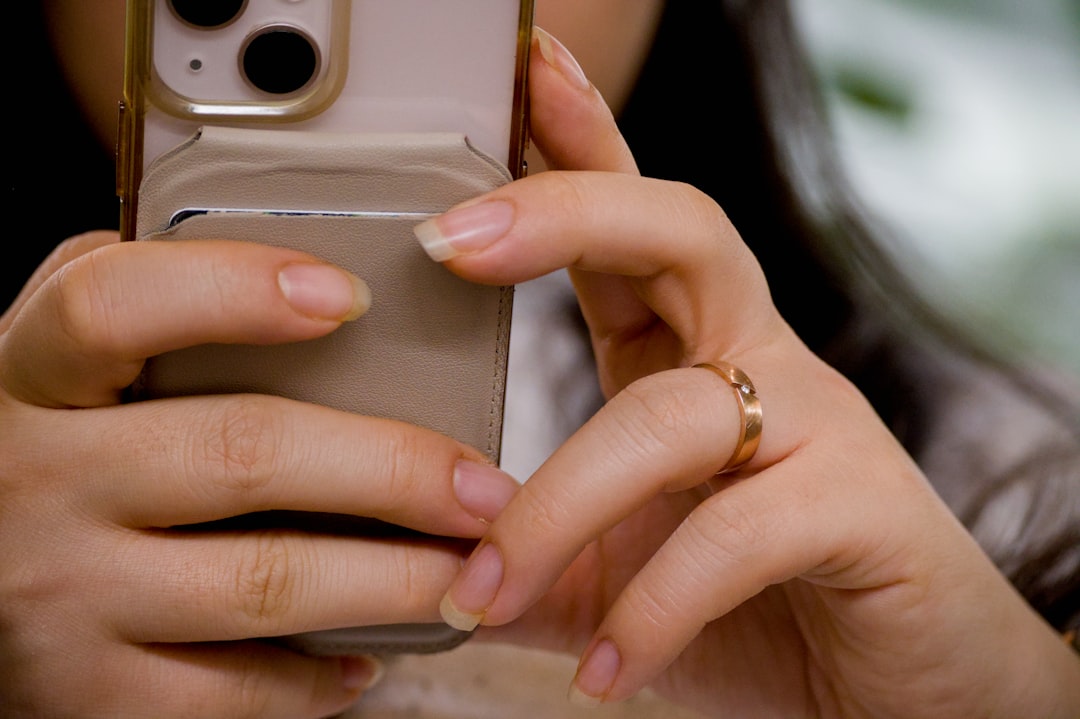
The democratization of jewelry authentication through mobile apps represents a genuine revolution in how people interact with precious items. What once required expensive equipment, years of training, or costly professional consultations is now accessible to anyone with a smartphone.
These tools empower consumers to make informed decisions, protect themselves from fraud, discover unexpected treasures, and develop genuine expertise in jewelry identification. Whether you’re a serious collector, casual enthusiast, or someone who simply inherited grandmother’s jewelry box, authentication apps provide valuable insights that were previously out of reach.
The combination of advanced AI, comprehensive databases, and intuitive mobile interfaces has created tools that are both powerful and accessible. As the technology continues improving, these applications will become even more essential for anyone who buys, sells, collects, or simply appreciates fine jewelry.
Start exploring today by downloading a reputable jewelry identification app and examining pieces you already own.
You might be surprised by what you discover — that costume jewelry might contain real stones, or that expensive-looking piece might reveal itself as clever imitation. Either way, the knowledge you gain proves invaluable in navigating the fascinating world of precious metals and gemstones.