
Geostatistics: Boosting Phosphate Yield
Geostatistics transforms how farmers and agronomists understand soil nutrient distribution, particularly phosphate variability, enabling precision agriculture strategies that maximize crop productivity

Geostatistics transforms how farmers and agronomists understand soil nutrient distribution, particularly phosphate variability, enabling precision agriculture strategies that maximize crop productivity
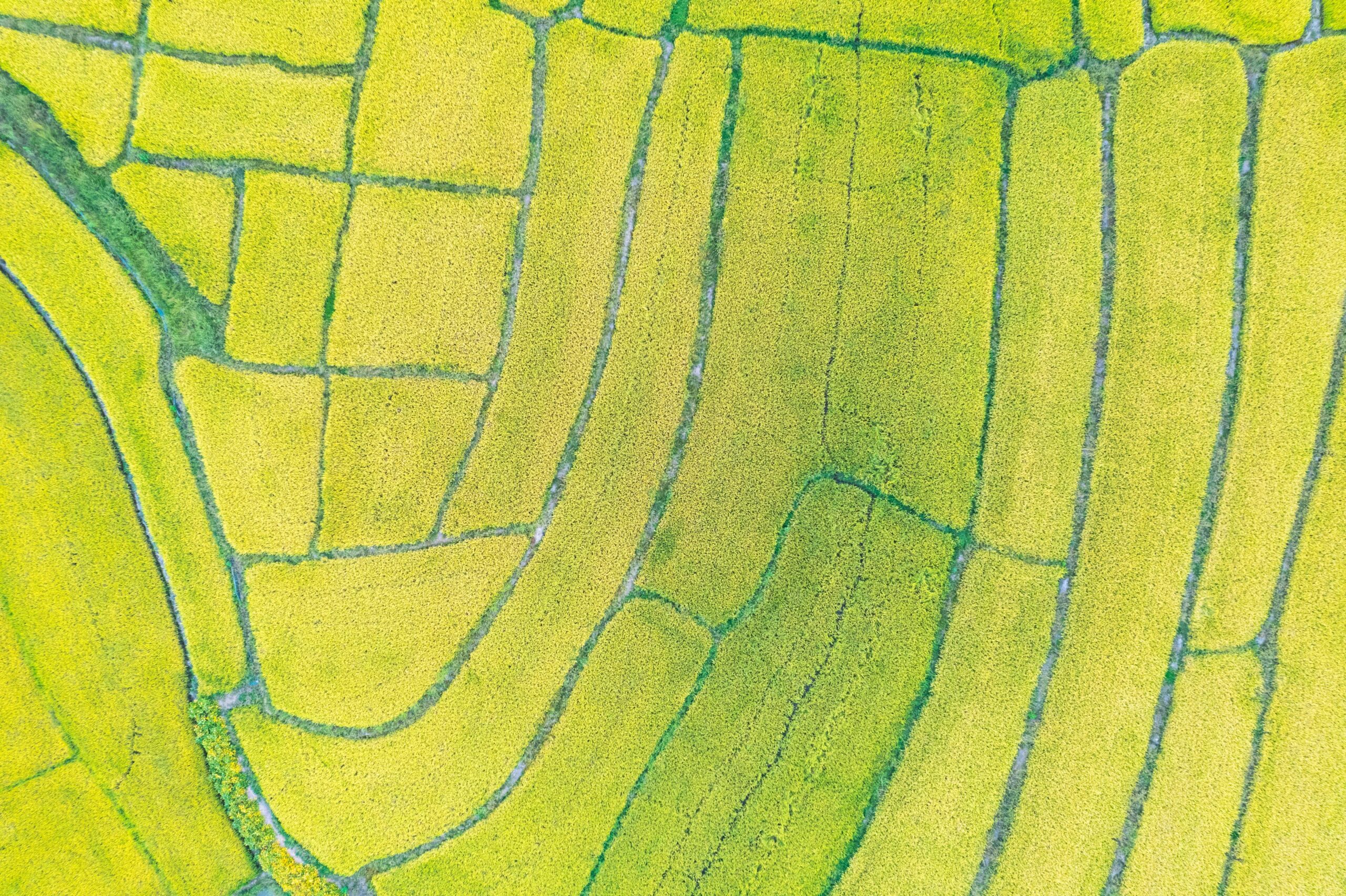
Understanding phosphate variability between irrigated and rain-fed agricultural systems is crucial for maximizing crop productivity and ensuring sustainable farming practices worldwide.

Understanding phosphate distribution across agricultural fields is essential for optimizing crop yields and promoting sustainable farming practices in modern precision agriculture.

Our waterways face a silent crisis driven by runoff and erosion, threatening vital phosphate hotspots and the delicate ecosystems that depend

Phosphate fixation in soils represents one of agriculture’s most persistent challenges, affecting crop productivity and nutrient management strategies worldwide. Understanding how

Phosphorus in soil plays a crucial role in plant nutrition, yet understanding its behavior remains one of agriculture’s most intriguing challenges.
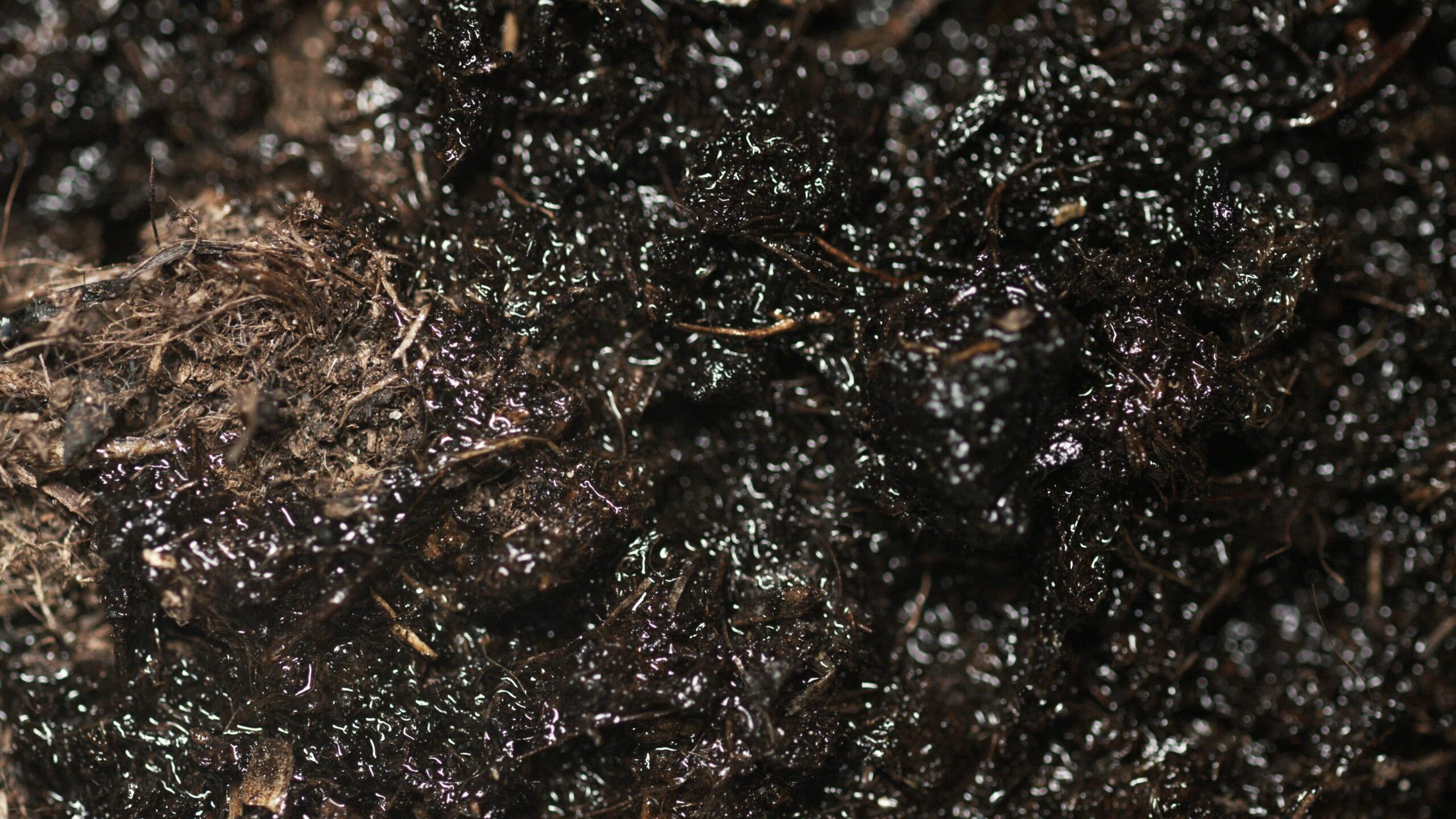
Understanding how soil texture and mineralogy influence phosphate availability is fundamental for farmers and agronomists seeking to maximize crop productivity and
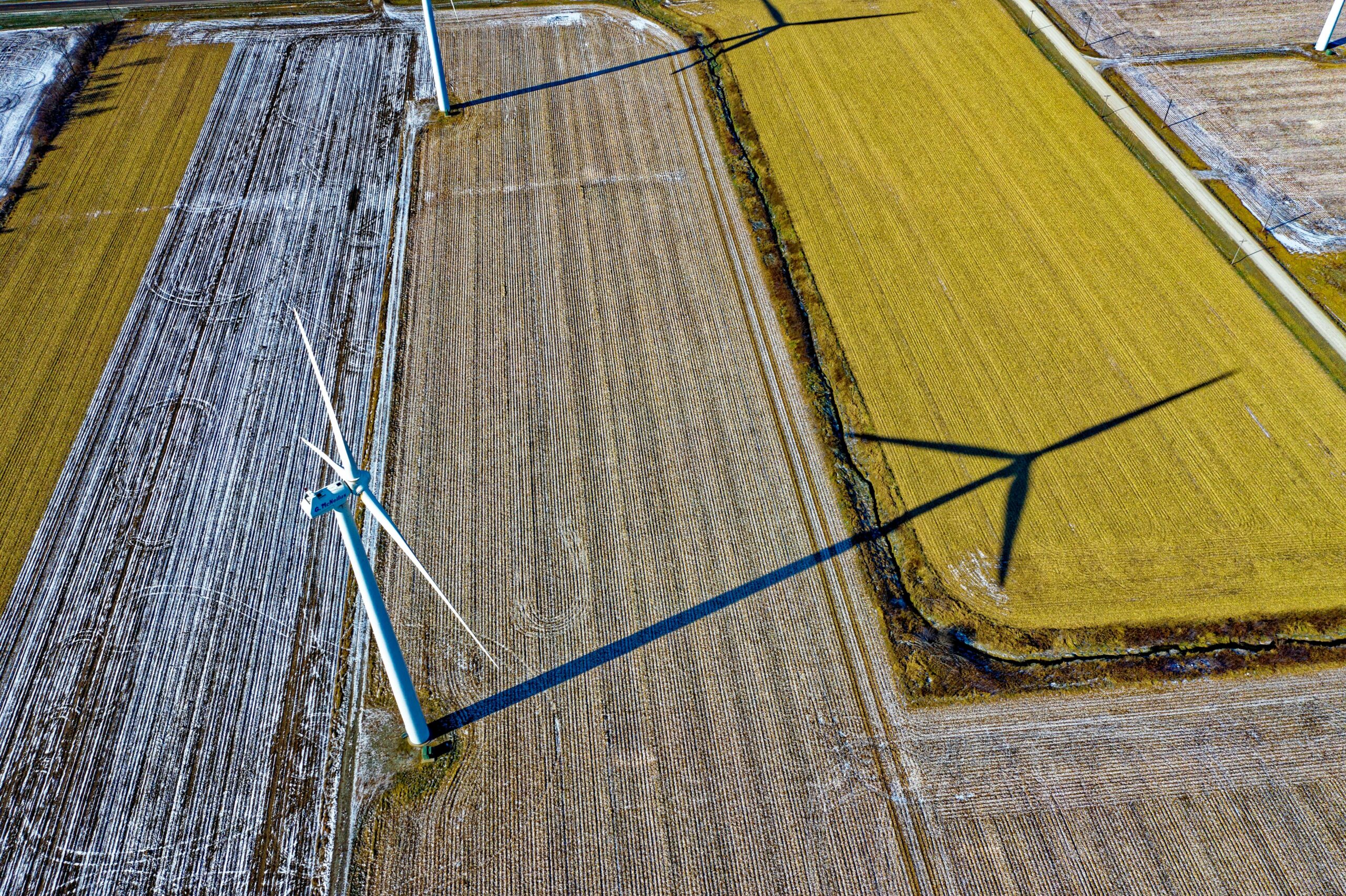
Modern agriculture faces a critical challenge: applying the right amount of phosphate fertilizer to maximize crop yields while minimizing environmental impact

Understanding phosphate variability is crucial for agriculture, environmental science, and food security. This complex puzzle affects everything from crop yields to
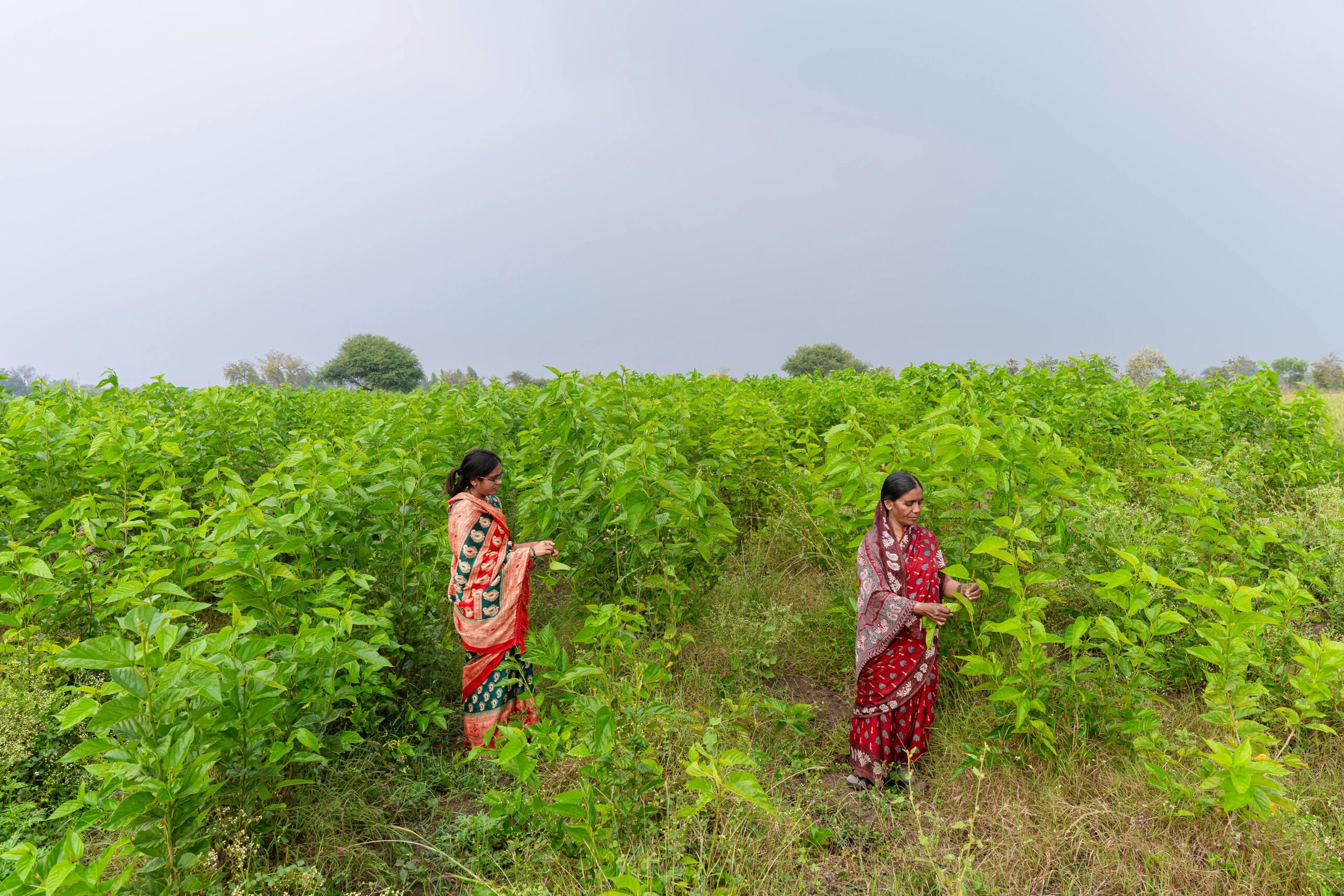
Phosphate availability plays a critical role in determining agricultural productivity, influencing everything from root development to final harvest quality across diverse