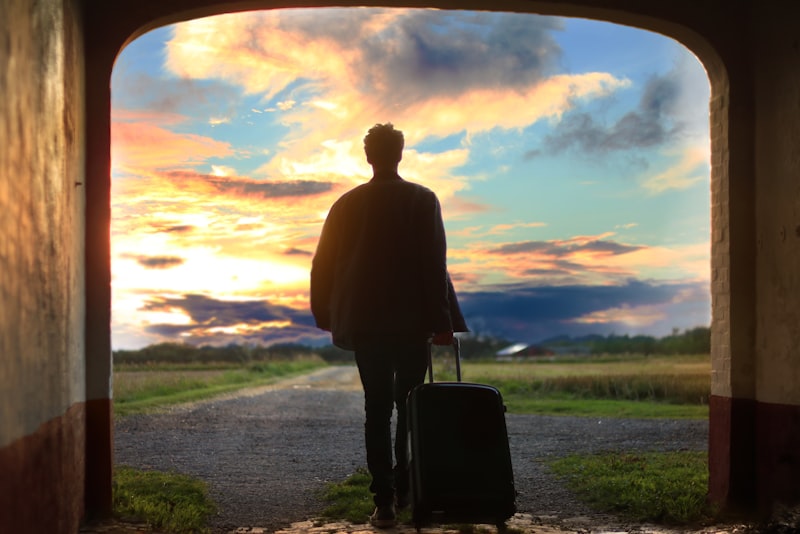
The airport is where good trips quietly go wrong — not because anything dramatic happens, but because of accumulated small stresses: the line that's longer than expected, the gate that's farther than you thought, the slow creep of a clock you keep checking. I used to arrive at airports tense and leave them frazzled. Now I move through them calmly, and the difference wasn't luck. It was a handful of habits that turn the most stressful part of travel into the easiest.
An airport is a system, and systems reward people who understand them. Learn the flow, give yourself room, and the whole experience softens. Here's how I keep travel days smooth from curb to gate.
Give yourself the gift of time#
Almost every airport disaster I've witnessed traces back to one root cause: not enough margin. Someone cut it close, then a single normal delay — traffic, a long line, a far gate — became a crisis.
The fix is unglamorous and completely reliable: arrive early. Generously early. Recommended arrival times vary by airport, by airline, and by whether you're flying domestically or internationally, so check the specific guidance for your trip rather than guessing. Then add a comfortable cushion on top.
Yes, this means you'll sometimes have time to spare. That's the point. Time to spare is what lets you absorb the unexpected without panic. I'd rather sip a coffee at the gate for forty minutes than sprint through a terminal with my heart in my throat. The early arrival isn't wasted time — it's purchased calm.
Understand the flow before you arrive#
An airport asks you to pass through a few stages in order, and knowing them in advance removes most of the friction. The basic sequence is familiar: check in or drop your bag, clear security, find your gate, and board. International trips add steps. Knowing roughly what's ahead means you're never caught off guard.
A few habits keep each stage smooth:
- Check in ahead of time when you can, often the day before, so you arrive with your boarding pass ready.
- Know your bag situation — what you're checking, what you're carrying, and that your carry-on fits the size rules — before you reach the counter.
- Prep for security in line, not at the front. Have your documents handy and start sorting yourself out before you reach the belt, so you're not the person holding everyone up while you fish for things.
- Keep essentials accessible. Documents, devices, anything you'll need to present should be reachable without unpacking your whole bag.
The calmest travelers aren't the ones rushing through the airport — they're the ones who already knew what was coming and simply walked through it.
The rules at security — what comes out of your bag, what stays in, how liquids are handled — vary by country and airport and change over time. So confirm the current requirements for your specific airport before you fly. Consider this the flow, not the fine print.
Make layovers work for you#
A layover sounds like dead time, but treated well it's just a planned pause — a chance to stretch, eat something real, and reset before the next leg. The key is choosing and handling them wisely.
When booking, be honest about connection times. A very short layover looks efficient until the first flight runs late and you're sprinting across a terminal, or worse, missing the connection entirely. A little more buffer between flights buys enormous peace of mind, especially in large or unfamiliar airports where the gate might be a long walk away.
When you land for a connection, get your bearings first. Find your next gate, confirm it hasn't changed, note how long it takes to walk there, then relax into whatever time remains. Knowing exactly where you need to be next is what lets you actually enjoy the pause instead of stewing in low-grade worry.
When things go wrong#
Sooner or later, a flight gets delayed or canceled. It's part of travel, and how you handle it matters more than the disruption itself. The travelers who weather it best aren't lucky — they're calm and informed.
First, get accurate information. Listen for announcements, check your airline's updates, and confirm what's actually happening rather than reacting to rumors in the gate area. Second, know that your options often depend on your airline's policies and the reason for the disruption, so the people to ask are the airline's staff and resources — they're who can actually rebook or assist you.
A few things make delays far more bearable. Keep your devices charged, so you can get information and stay reachable. Have a little food and water on hand, so hunger doesn't sharpen the stress. Keep important contacts and bookings accessible. And give yourself permission to be patient — most delays resolve, and frustration only makes the wait feel longer. I won't pretend a long delay is fun, but a prepared traveler rides it out and a panicked one suffers through it.
A calmer way to travel#
None of this is complicated. Arrive with room to breathe. Understand the stages before you reach them. Treat layovers as pauses, not threats. Stay calm and informed when plans wobble. Together, these habits change the airport from a gauntlet into a corridor you simply walk through.
The deeper benefit is how you feel on the other side. When the airport doesn't drain you, you arrive at your destination with your energy intact, ready for the trip instead of recovering from the journey. That's worth far more than the minutes you'd save by cutting it close.
So next time, leave a little earlier than feels necessary, and notice how different the day feels. Confirm your specific times and rules with your airline and airport — those details are yours to verify — but carry the calm wherever you go. The airport is the first chapter of every trip. There's no reason it can't be a gentle one.