
The real levers of cheap travel aren't coupons — they're where you go, when you go, how long you stay, and how you sleep, eat, and move. Spend on what matters, skip what doesn't.
 Nina Alvarez
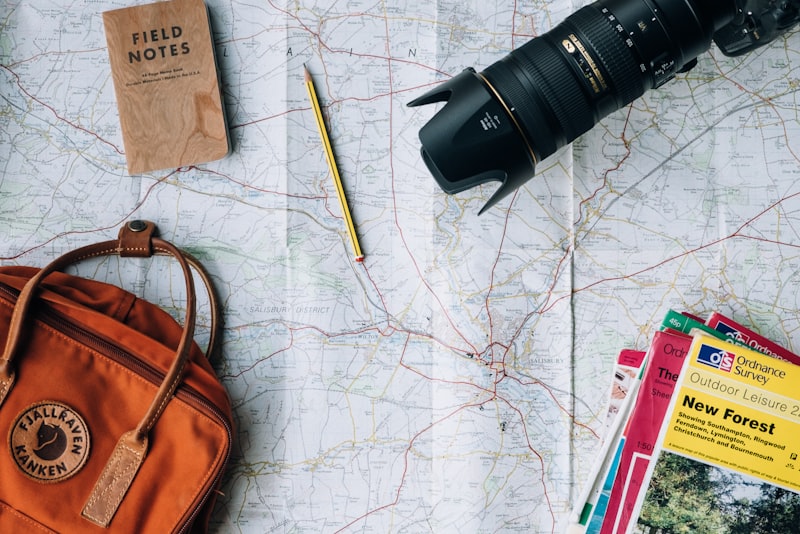
Funding a trip is less about willpower and more about a system: a dedicated travel fund, the right costs to cut, and savings that happen automatically so you don't have to think about them.
Nina Alvarez
Markets, street food, picnic lunches, and the places locals actually eat — how to feed yourself brilliantly for a fraction of the tourist price, with a little food-safety common sense.
Nina Alvarez
A plain-language look at how points and miles work in general — how you earn them, how you redeem them, and the catches nobody mentions — so you can decide if they're worth your time.
Nina Alvarez
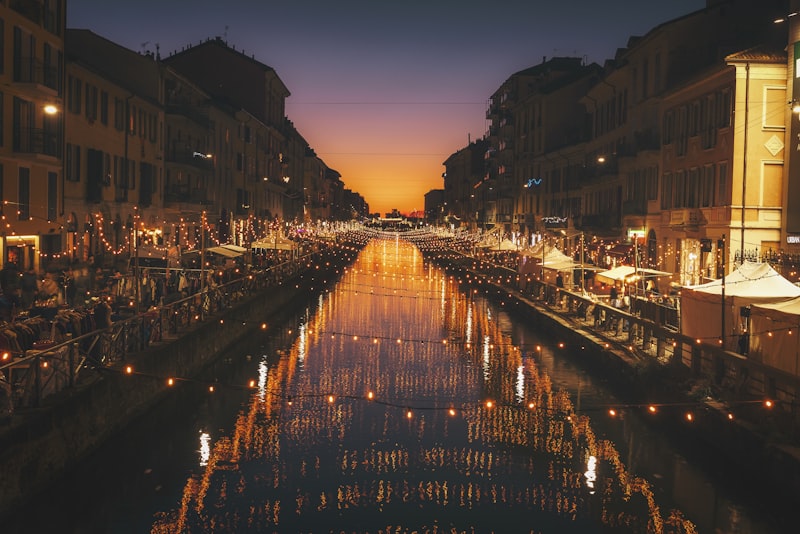
Slow travel means staying longer and going deeper instead of racing between sights. Here's what it really is and why it so often costs less while giving you far more.
Nina Alvarez
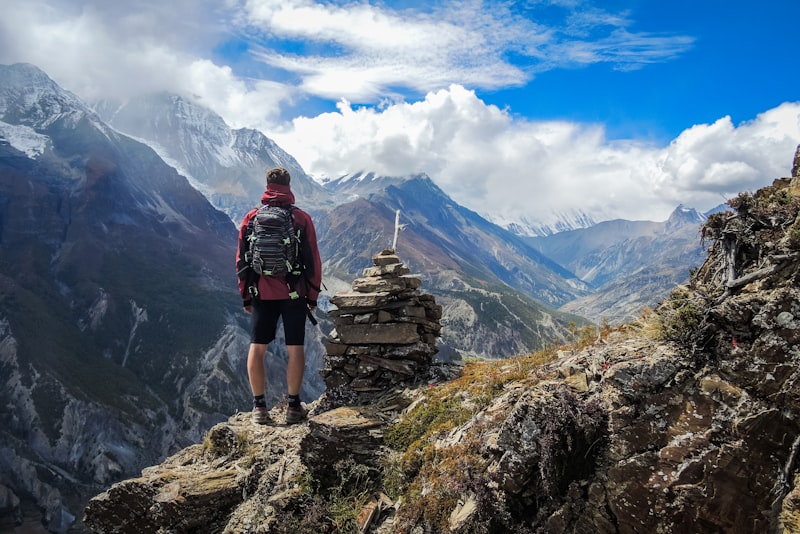
Remote work, seasonal and working-holiday concepts, and volunteering — the main ways travelers earn or offset costs on the road, with a clear reminder to check official work and visa rules.
Nina Alvarez

Walking, nature, free museum days and parks, people-watching, and getting lost on purpose — the experiences you'll remember most are often the ones that don't cost a cent.
Nina Alvarez
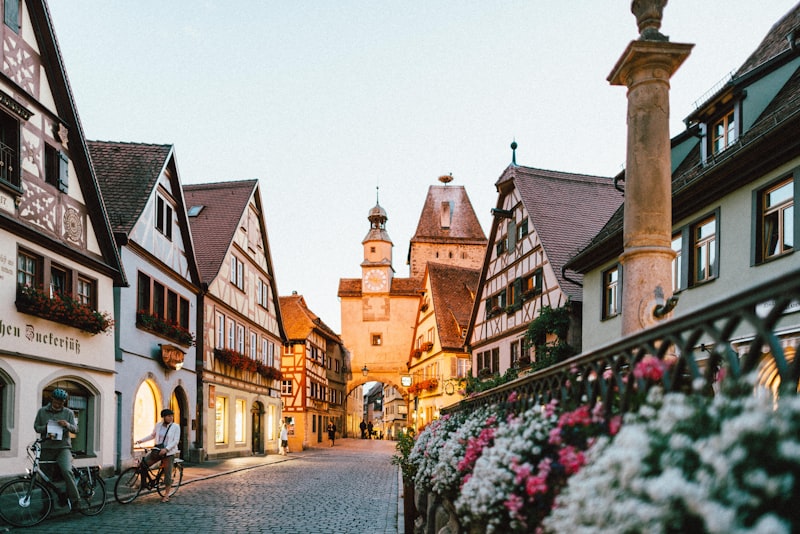
Hostels, guesthouses, rentals, house-sitting, camping — a clear-eyed look at the cheapest ways to sleep on the road and what you give up, and gain, with each.
Nina Alvarez