For most trips, the bed is the budget. Lodging quietly eats more of your money than flights, food, or anything you'll do during the day, which is exactly why it's the first place I look when I want a trip to cost less. The good news is there's a whole ladder of options between a pricey hotel and sleeping in a doorway, and most of them are more interesting than a hotel anyway.
I've slept in all of these. Some I'd do again tomorrow, some I survived. Here's the honest rundown — what each one costs you, and what it costs you in the other sense.
Hostels: not just for teenagers in dorms#
Drop the image of a grim bunkroom full of snoring strangers. Modern hostels have grown up. Yes, the cheapest bed is still a spot in a shared dorm, and that's where the social magic happens — I've made trip-saving friends, found travel buddies, and gotten my best local tips from people in the next bunk. But most hostels now also offer private rooms that undercut hotels while keeping the lively common areas, kitchens, and free events.
The trade-off: less privacy and quiet in the dorms, and the vibe varies wildly. A "party hostel" is heaven at twenty-two and torture if you need sleep. Read recent reviews, check whether the crowd matches your energy, and look for the boring-sounding word quiet if you value rest. A self-catering kitchen is the real money-saver here — it turns a cheap bed into cheap food too.
Guesthouses and family-run places#
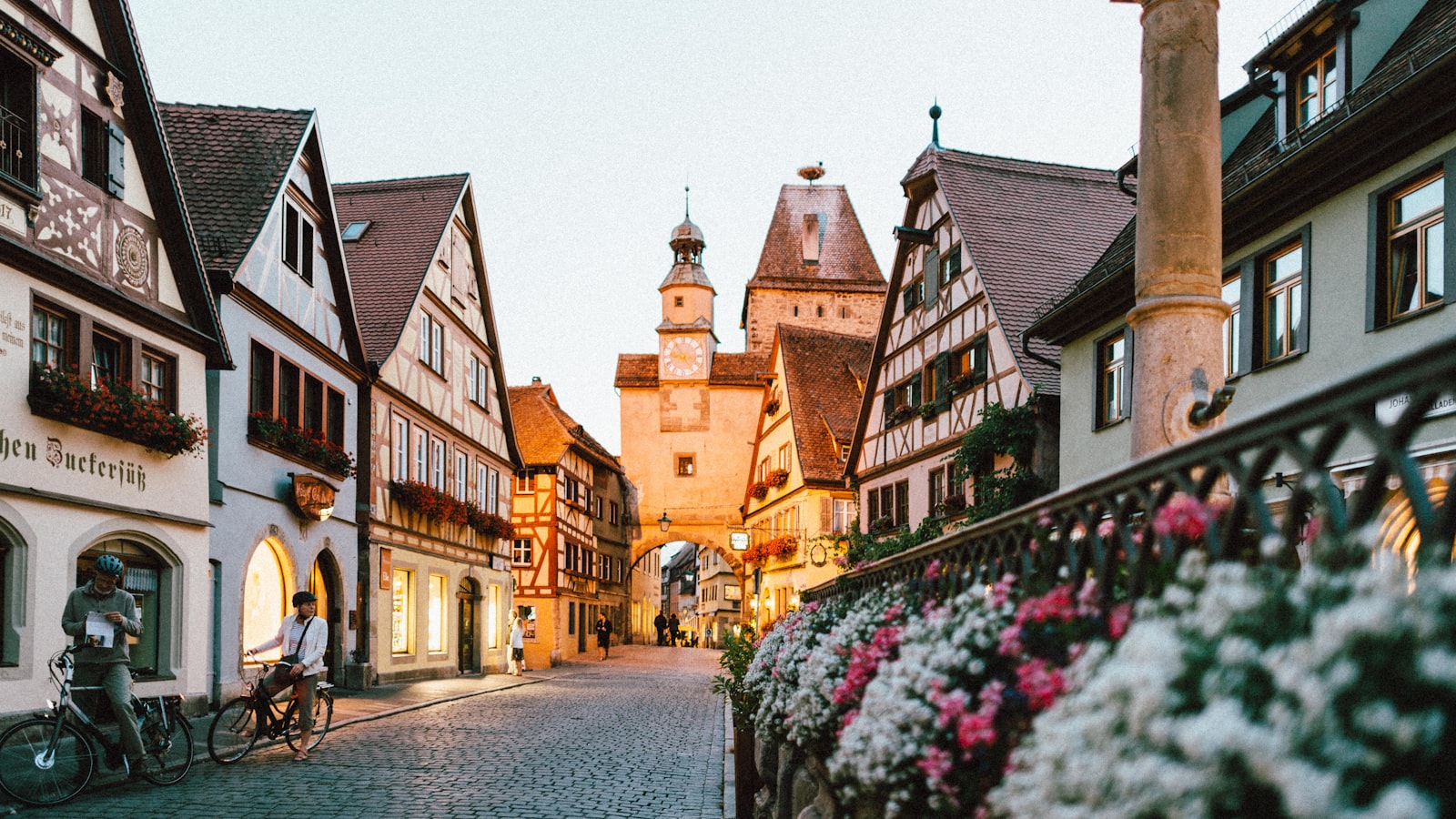
In much of the world, the best value isn't a chain at all — it's a small guesthouse, a pension, a family who rents out a few rooms. You get a private room, often a home-cooked breakfast, and hosts who'll point you to the things no guidebook lists. They're frequently cheaper than hotels and warmer than anywhere.
The trade-off: fewer amenities and less consistency. One might have flawless rooms and a saintly host; the next, thin walls and quirks. Booking can be old-fashioned — sometimes a phone call or a walk-up — but that's part of the charm and part of the savings.
The cheapest bed is rarely the best story. The best story usually comes from the host who treated you like family, not the lobby that treated you like a transaction.
Short-term rentals and shared apartments#
Renting a whole place shines when you're traveling as a group or staying a while. Split between a few people, a rental can drop the per-person cost below a hostel, and you get a kitchen, a washing machine, and the simple pleasure of space. Stay a week or a month and look for the longer-stay discounts — they're often substantial, and they reward the slow traveler.
The trade-off: cleaning fees and service charges can ambush a "cheap" nightly rate, so always check the total before you celebrate. A whole apartment can also be isolating if you're solo — none of the easy company you'd get in a hostel common room. Prices and availability shift constantly, so compare a couple of options and don't assume the first number is the real one.
House-sitting and home exchange: lodging for (almost) nothing#
This is my not-so-secret weapon. House-sitting means staying in someone's home, often for free, in exchange for looking after their pets and plants while they're away. I've spent weeks in places I could never have afforded otherwise, with a cat asleep on my lap and a kitchen all to myself. Home exchanges, where you swap houses with another traveler, run on the same beautiful logic: trade what you already have for what you want.
The trade-off: it takes effort and trust on both sides. You're taking on real responsibility — a sick pet doesn't care about your sightseeing plans — and the good sits get booked early, so you plan around availability rather than whim. It rewards the flexible and the reliable. If that's you, it's the single biggest lodging saving going.
Camping and the great outdoors#
When the destination is nature, why pay to sleep indoors? Campgrounds cost a fraction of any room, and in some regions you can legally camp in the wild for free. There's a particular joy in waking up where the action is — a trailhead, a lakeshore — instead of driving in from town.
The trade-off: gear, weather, and effort. You're carrying equipment, you're at the mercy of the sky, and comfort is what you make it. Always camp where it's allowed and safe, and check local rules, because they vary a lot and "wild camping" is welcomed in some places and fined in others.
How to actually choose#
There's no single best option — there's the best option for this trip. A few questions sort it fast:
- Solo or group? Groups favor rentals; solo travelers often do better in hostels for the company.
- Quick stop or long stay? Long stays unlock weekly and monthly discounts and make rentals or house-sits worth the setup.
- Do you want company or quiet? Be honest. The right answer changes everything.
- What are you here for? Nature points to camping; a city of museums points to a cheap central room you'll barely use.
It also helps to mix your options across a single trip rather than marrying one. I'll happily spend a few social nights in a hostel to meet people, then move to a quiet guesthouse to recover, then land a house-sit for a stretch when one comes up. Each plays to a different need — company, rest, savings — and stringing them together gives you the best of all of them without locking you into the downsides of any one.
Whatever you pick, two habits travel with you everywhere. Read recent reviews, because a place can change fast and last year's gem can be this year's regret. And keep travel insurance in the mix, since some policies touch things like lost belongings or trip disruptions, and the peace of mind is worth more than the cheapest possible bed.
Spend a little thought here and you free up money for everything else. The bed is just where you close your eyes. Save on it wisely, and you'll have more to spend on the reasons you came.