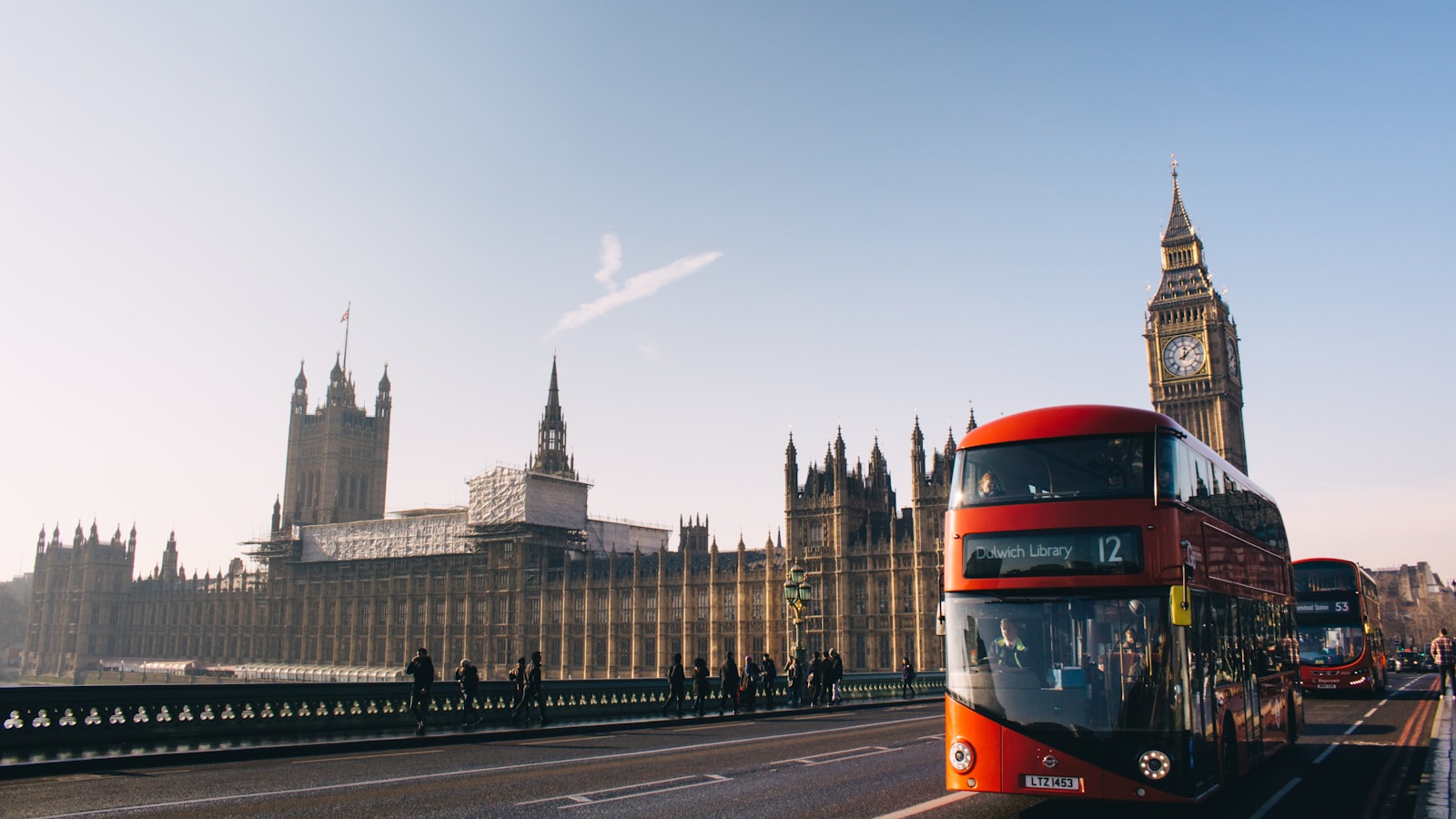
The first time I got fleeced, I was nineteen, exhausted, and sitting at a restaurant with a checkered tablecloth directly facing a very famous fountain. The pasta was fine. The bill was not. A man with a clip-on bowtie had lured me in with a laminated photo of the dish, and I'd paid roughly triple for the privilege of staring at a landmark while eating reheated carbs. I've spent the years since making sure that never happens again — and the trick turned out to be embarrassingly simple.
Tourist traps aren't hidden. They announce themselves constantly, if you know what to look for. Avoiding them isn't about secret apps or insider connections. It's about reading a few signals and being willing to walk.
The Restaurant on the Square Is Lying to You#
Not maliciously. But the most beautiful real estate in any city — the spot with the perfect view of the cathedral, the square, the canal — costs a fortune to rent. Somebody has to pay that rent, and that somebody is you, in the form of a mediocre meal at a premium price.
Here's the logic that should reset your instincts: a restaurant in a prime tourist location never needs you to come back. There's an infinite supply of first-time visitors flowing past the door, each one good for exactly one meal. A place like that has no reason to make food worth returning for. A neighborhood spot, by contrast, lives or dies on regulars. It has to be good, or it closes.
So the question isn't "is this place charming?" The square is charming; that's the bait. The question is "who is this place built to serve?"
Learn the Tells#
Once you start looking, the warning signs are everywhere:
- A host actively waving you in. Good restaurants are busy with people who sought them out. Nobody stands outside a beloved local spot begging strangers to enter.
- Menus in nine languages, with photos. Translations are kind. But a giant laminated menu with glossy photos of every dish is built for people who'll never return and don't know the cuisine.
- It's right at the most photographed spot in town. The better the view, the more skeptical you should be of the kitchen.
- It's wide open at the wrong hour. If a place is full of tourists at 5:30 p.m. in a country where locals eat at 9, that's your answer.
- No locals inside. This is the big one. Look through the window. Who's actually eating here?
None of these is a death sentence on its own. But two or three together? Keep walking.
Walk Three Blocks. Seriously, Just Three.#
This is the single most powerful move I know, and it costs nothing but a few minutes. Prices and quality change dramatically the moment you step off the main drag. The crowds thin, the menus shrink, the prices drop, and suddenly you're somewhere that exists for people who live there.
There's a rough geography to it. The famous square is the trap. One block out, things improve a little. By three to five blocks, you're often in genuinely local territory — the bakery with a line of people in work clothes, the tiny place with handwritten specials and no English at all. That short walk is the entire difference between a tourist's lunch and a traveler's one.
The best meal of your trip is almost never on the postcard. It's two turns past it, down a street with no view, where the menu is short because the kitchen only makes what it's good at.
I treat the famous landmark as a starting point, not a destination. See the fountain, take the photo, then deliberately walk away from it until the souvenir shops stop and the laundry starts hanging from balconies. That's where I start looking for dinner.
Ask the Right Question to the Right Person#
"Where should I eat?" gets you sent to a tourist restaurant, because that's the polite, safe answer locals give to strangers. The magic question is different: "Where do you eat?" Or even better, "Where would you go for a special meal with your family?" Now you're asking about their life, not your itinerary, and the answers transform.
Be choosy about who you ask, too. Don't ask the person whose job is to sell you things — the hotel concierge with a commission deal, the tout outside the attraction. Ask the bartender at a place that's clearly not for tourists. Ask the person at the laundromat, the bookshop, the market stall. Ask someone roughly your age who seems to actually live there. People love sharing their neighborhood gems, and you'll get a real recommendation instead of a kickback in disguise.
Time It Like a Local#
Timing is the quiet superpower of trap-avoidance. Tourist spots are jammed at predictable hours — midday, the obvious dinner slot, weekends. Show up off-peak and the same city feels different. Eat when locals eat, which often means later than you'd expect. Visit the famous market in the early morning when it's actually a working market, not a midday photo op.
The mega-attractions are tourist traps in their own way — not scams, just swarmed. The fix is the same: go early, go late, go in the shoulder season, go on a weekday. The cathedral that's a crush at noon can be nearly silent at opening. You haven't avoided the landmark; you've just refused to experience it shoulder to shoulder with everyone else.
Trade Convenience for Curiosity#
Underneath all of these tactics is one mindset. Tourist traps win by being convenient — right there, easy, familiar, requiring zero effort. Escaping them just means trading a little convenience for a little curiosity. Walk the extra blocks. Ask the awkward question. Eat at the strange hour. Order the thing you can't pronounce.
You'll spend less and remember more. The square will still be there for your photo. But the meal you'll actually talk about for years is waiting a few streets away, in a room full of people who never had to be lured in.