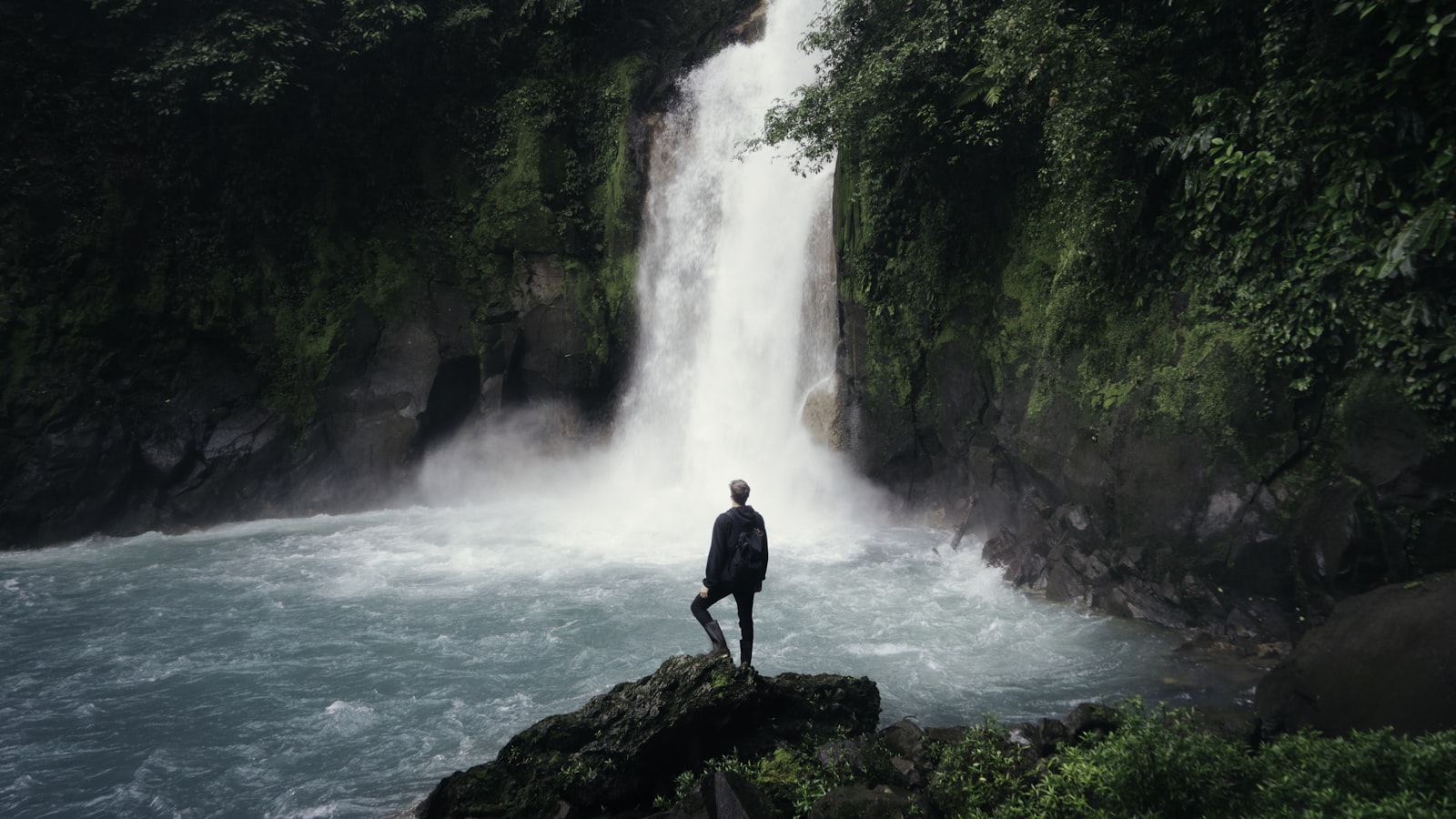
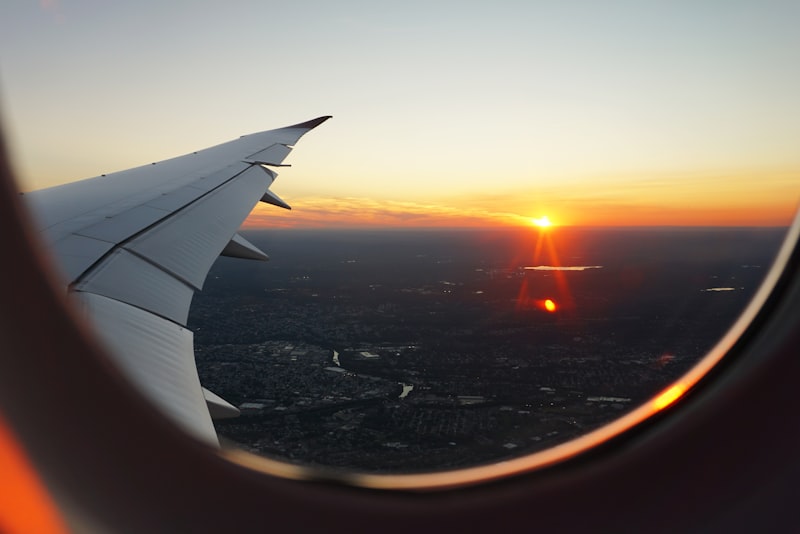
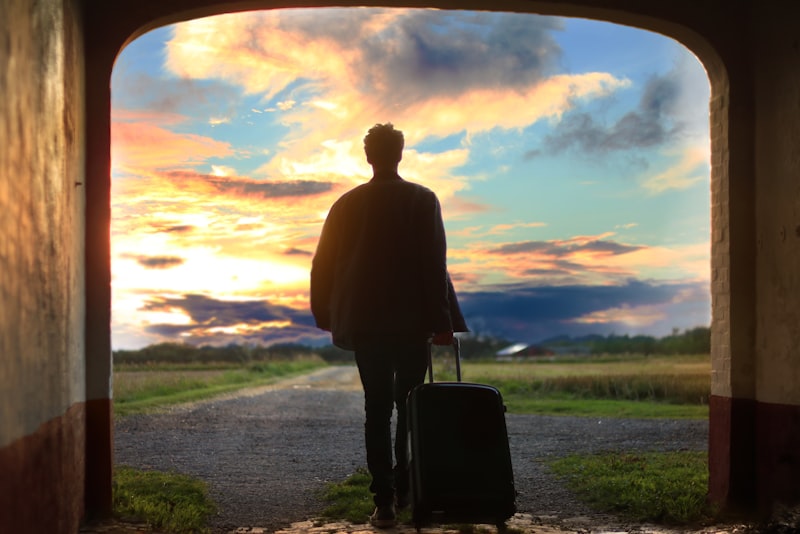
After fifty-some countries, I can tell you the photos I treasure most were rarely the technically perfect ones. They're the ones that hold a feeling — the particular gold of a late afternoon in a place I loved, a stranger's open face, the steam rising off a bowl of soup at a market stall. None of them required expensive equipment. Most were taken on whatever camera I happened to be carrying, often the phone in my pocket.
I want to gently dismantle the belief that better photos come from better gear. They come from better seeing. And seeing is a skill anyone can build, starting on your very next trip.
Light Is the Whole Game#
If you remember one thing, remember this: photography is painting with light, and the quality of light matters far more than the megapixels capturing it. The same street looks flat and harsh at noon and absolutely luminous an hour after sunrise.
The soft, low, golden light of early morning and late afternoon — the hours just after dawn and before dusk — flatters almost everything. Shadows lengthen and soften, colors warm, faces glow instead of squinting. Hard midday sun, by contrast, is the great flattener: blown-out skies, deep harsh shadows, washed-out color. It's the least forgiving light there is, and it's exactly when most travelers take most of their photos.
So plan around light the way you'd plan around opening hours. Get up for the early glow when a place is quiet and lit like a film set. Save the harsh midday for lunch, museums, and shade. And learn to notice the direction light comes from — side light reveals texture in old walls and faces; backlight can turn a plain scene into something glowing and graphic. Overcast days, often dismissed, are a soft natural diffuser that's wonderful for portraits.
Composition Is Mostly Subtraction#
People think composing a photo is about adding interesting things. It's the opposite. Composition is the art of deciding what to leave out. A cluttered frame says nothing; a clean one tells a story.
A few principles, offered lightly rather than as rules:
- Find one subject. Ask yourself what this photo is actually about, then arrange everything to serve that. If you can't answer, the photo probably can't either.
- Move your feet. The most underused tool in photography is walking closer, crouching low, or stepping to the side. Change your position before you change your settings.
- Use lines and frames. A road, a railing, a row of arches can lead the eye into the picture. A doorway or window can frame your subject like a painting.
- Mind the edges. Glance around the whole frame before you press the shutter — a stray pole growing out of someone's head ruins more travel photos than bad light ever will.
The classic "rule of thirds" — placing your subject off-center rather than dead middle — is worth knowing simply because it tends to feel more alive. But treat it as a suggestion. Once you've internalized it, you'll know when to break it.
The camera you have with you is always better than the one you left at home because it was too heavy. Mastery isn't in the device — it's in learning to notice the moment before it passes.
Photographing People, Kindly#
The portraits I love most came from connection, not stealth. A person photographed without their knowledge is reduced to scenery; a person photographed with consent is a collaborator, and it shows in their eyes.
So I ask. Often it's just a gesture — lifting the camera with a questioning smile — and a nod or a shake answers it. When there's a shared language, a few minutes of genuine conversation first changes everything; people relax, and you get something real instead of a startled stare. Buy the fruit before you photograph the vendor. Learn "may I?" and "thank you" in the local language. If someone says no, smile, thank them, and move on without a second thought — that's simply the cost of doing this respectfully.
Be especially thoughtful around children, religious practices, and anyone in a vulnerable moment, and be aware that some places and people have specific customs or rules about photography. The goal is never to extract an image. It's to make a small human exchange that happens to leave a picture behind.
Tell a Story, Not Just a List#
A folder of fifty near-identical landmark shots tells me where you went. A handful of varied images tells me what it felt like to be there. The difference is thinking like a storyteller.
I try to shoot a place the way a magazine spread is built: a wide establishing shot for context, then medium scenes of life happening, then tight details — the hands kneading dough, the peeling paint, the cup of coffee, the worn stone step. Chase the small, specific, human details that landmarks can't give you. The grand monument is on a million postcards already. The way light falls across your breakfast table in a town nobody's heard of is yours alone.
And give yourself permission to photograph the unglamorous: the bus station, the laundry line, the rainy window. Those frames often carry the most truth about a journey, and you'll be grateful for them later.
Put the Camera Down#
Here's the counsel I most want to leave you with, because I learned it the slow way. A trip lived entirely through a viewfinder is a trip half-missed. There's a real temptation to turn every sunset into a task, every meal into a shoot, until you've documented an experience you never actually had.
So make a quiet practice of it: take your few thoughtful frames, then lower the camera and simply be there. Watch the light with your own eyes. Taste the food while it's hot. Let some moments belong only to your memory, unrecorded and unshared. Those are often the ones that stay with you longest, and paradoxically, being present is what teaches you to see — which is the only thing that ever made anyone a better photographer.
Bring whatever camera you have. Chase the good light, frame with care, treat people as people, and then, often enough, put it away. The photographs will follow. So will the far more important thing: the trip itself.